
Taste in homes shifts quietly at first, then all at once. Features that once made a listing stand out – the bold shiplap accent wall, the massive open great room, the all-white kitchen – are now drawing sighs instead of gasps from buyers walking through open houses. Real estate agents across the country are noticing a consistent pattern: what sold a home five years ago can slow it down today.
As the 2026 real estate market finds its footing, the “must-have” features of the early 2020s are quickly becoming the deal-breakers of today. Buyers are no longer chasing the temporary high of a viral trend; instead, they are prioritizing long-term livability, wellness, and ease of maintenance. Sellers who haven’t kept pace are learning that lesson the hard way. Here are eight once-popular home trends that agents say buyers are quietly walking away from.
The All-Gray Interior
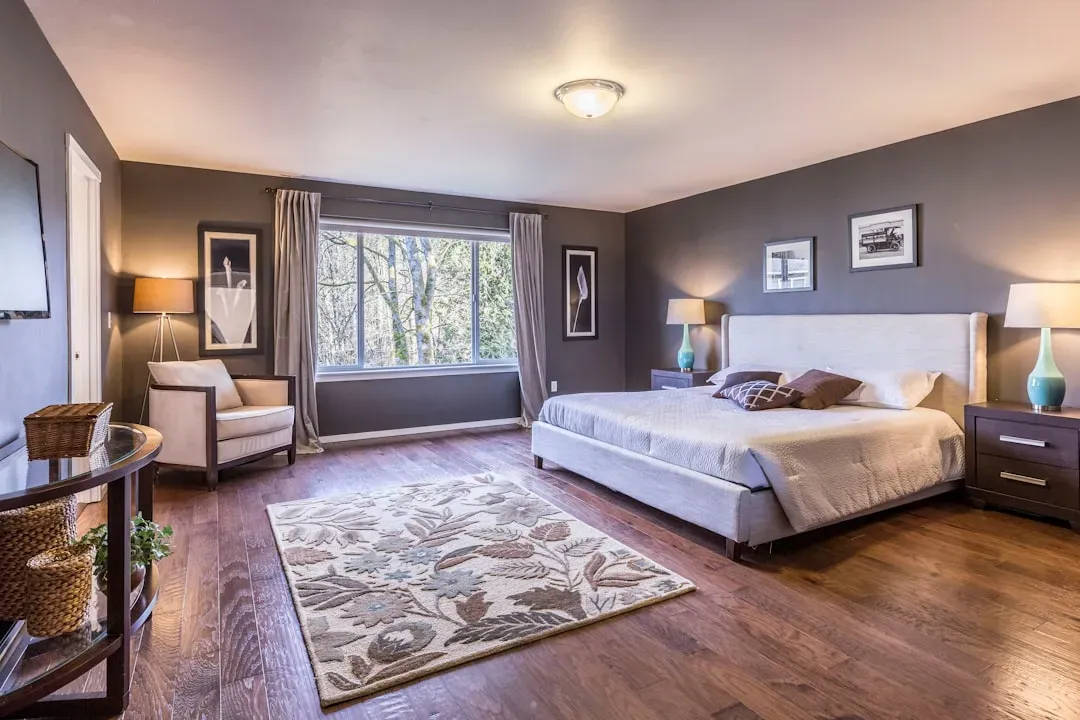
The All-Gray Interior (Image Credits: Unsplash)
For years, real estate investors and home flippers relied on gray walls, gray flooring, and gray cabinets to create a "modern" look. In 2025, that trend is dead. Buyers now see all-gray interiors as cold, outdated, and overdone. The look once read as sleek and neutral, but familiarity bred fatigue.
The gray flooring craze continues to cool. Surging in popularity from 2018 to the early 2020s, the look can now make spaces feel cold and washed out. Warm, natural wood tones are taking over, seeking to connect interiors more to nature. Warm, earthy neutrals like beige, taupe, and creamy whites are trending, as these colors create a cozy and inviting atmosphere that buyers love.
The Farmhouse Style Overload
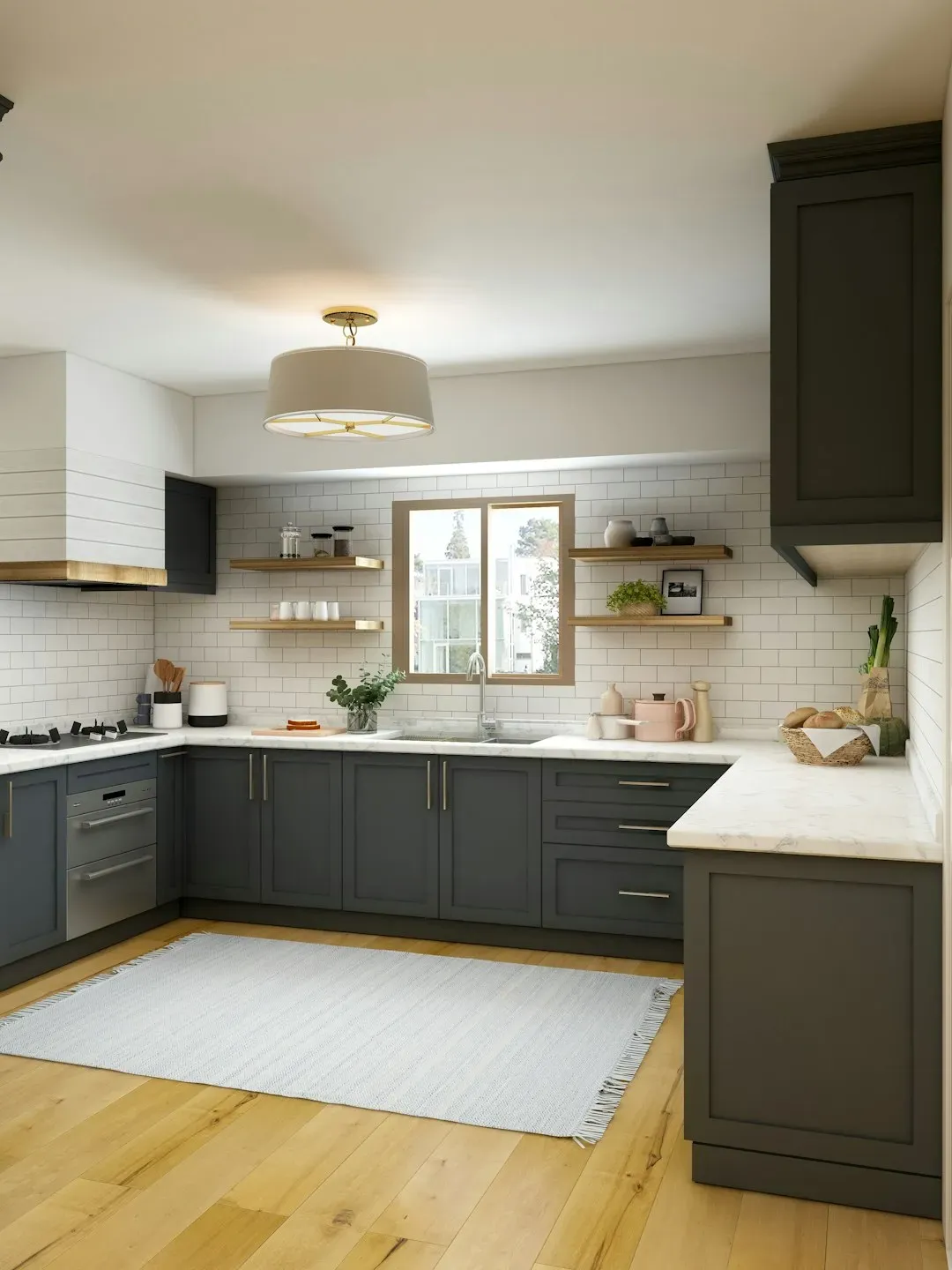
The Farmhouse Style Overload (Image Credits: Unsplash)
For the last decade, farmhouse design dominated house flips. Think shiplap walls, barn doors, and rustic beams. In 2025, the overly "rustic chic" look is officially outdated. Buyers are moving toward sleek, modern, and transitional designs that feel less theme heavy. The look peaked on television and never quite recovered once it became ubiquitous.
Shiplap is a trend designers aren't loving in 2025. There were mixed signals even as far back as 2023 when experts asked whether shiplap was going out of style. A modern organic style that blends natural wood, minimal accents, and neutral tones without being overly rustic is the preferred alternative. A few wood accents are fine, but the barn doors and distressed wood overload have run their course.
Busy Granite Countertops
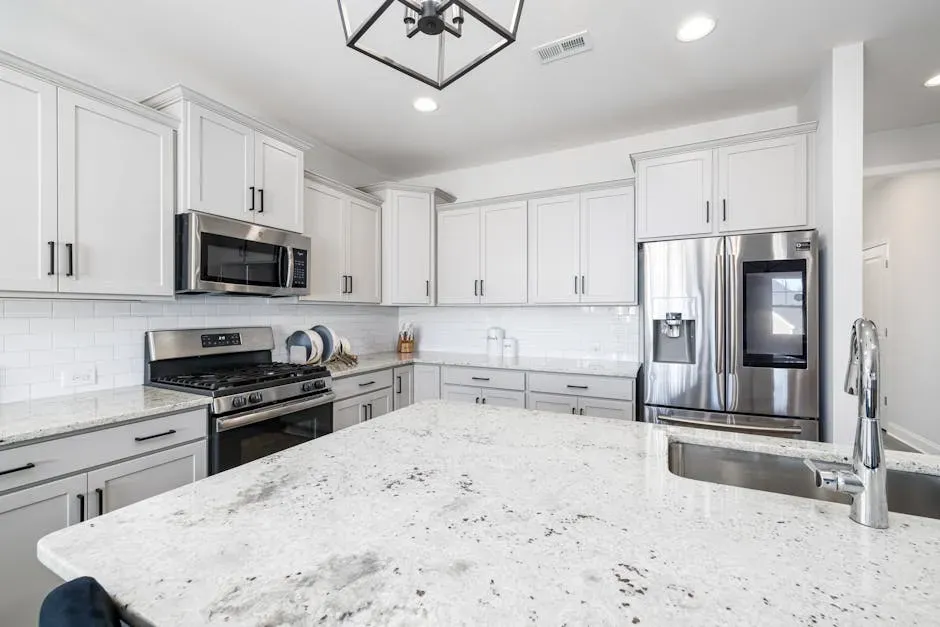
Busy Granite Countertops (Image Credits: Pexels)
Granite countertops were so huge at the end of the 20th century that their popularity has now become their downfall. Once everyone seemed to have granite, it began to appear more like builder-grade and less like custom luxury. Though there is nothing wrong with granite itself, its design has become easily identifiable as a countertop choice from a specific era.
There are several materials predicted among the biggest kitchen countertop trends in 2026, but granite isn't one of them. Even if it's been well-maintained, it can quickly make a space feel dated. "Busy, heavily speckled granite was popular years ago, but today most buyers prefer simpler, more uniform designs," one real estate agent explained. The National Kitchen and Bath Association's 2026 forecast reported that the vast majority of professionals now favor quartz for its durability and consistency.
The All-White Kitchen
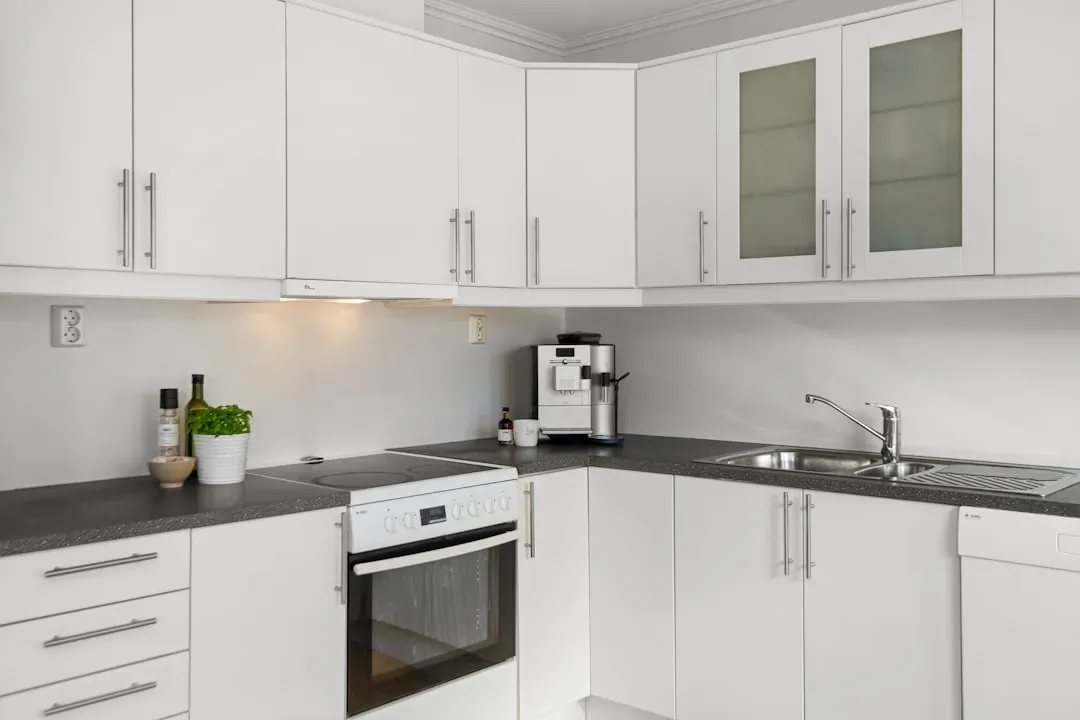
The All-White Kitchen (Image Credits: Unsplash)
While all-white kitchens remain popular in design blogs and renovation shows, they don't always resonate with potential buyers in real life. White cabinets, countertops, and backsplashes can look sleek, but they're also harder to maintain. Every fingerprint, smudge, and spill becomes visible, which can feel overwhelming to many prospective homeowners. Not to mention that all-white kitchens can feel sterile or cold, lacking the warmth that makes a house feel like home.
Buyers often gravitate toward kitchens with more contrast, subtle color, or texture that create a welcoming atmosphere. A kitchen that feels too stark can unintentionally push buyers away, particularly those seeking character or a more inviting aesthetic. The once-beloved all-white kitchen is starting to feel sterile and outdated. While still a classic choice, buyers are moving toward more personality in their kitchen designs.
Open Shelving in the Kitchen
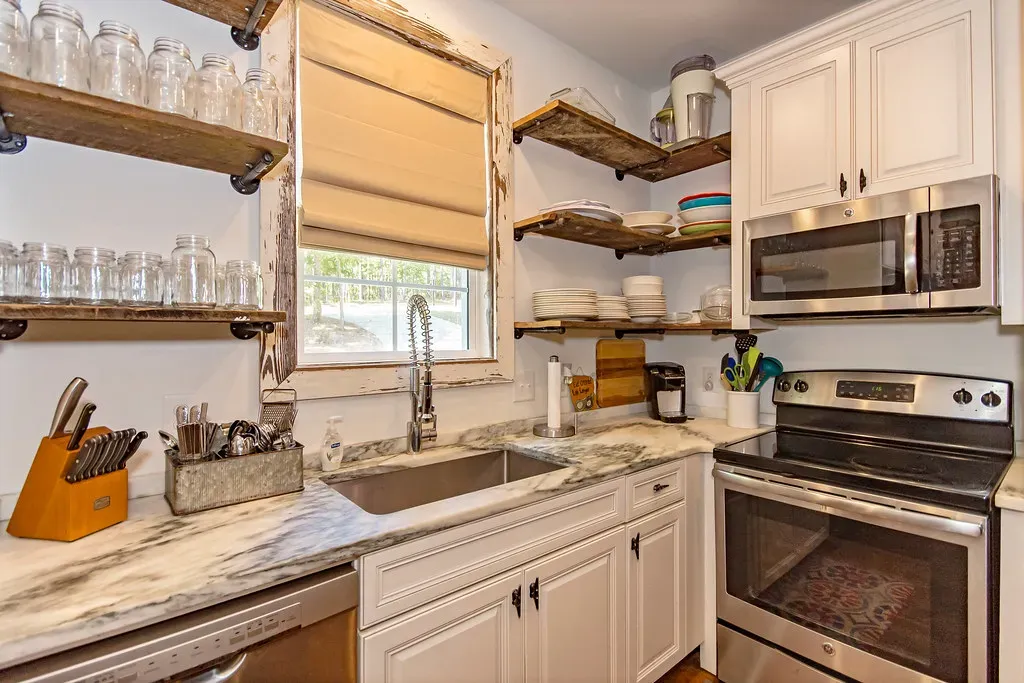
Open Shelving in the Kitchen (LakeMartinVoice, Flickr, <a href="https://creativecommons.org/licenses/by/2.0/" target="_blank" rel="noopener">CC BY 2.0</a>)
Open shelving dominated kitchen design magazines and social media feeds, promising a clean, minimalist look. However, many homebuyers don't see it that way. Open shelves require constant upkeep and are only suitable for homeowners who are willing to keep their dishes and pantry items neatly arranged at all times. In practice, most buyers imagine the maintenance burden, not the Instagram-ready result.
Open shelving in kitchens was considered stylish and modern, but buyers have had enough of dusty dishes and cluttered walls. Homebuyers in 2025 are prioritizing functional storage over aesthetics, making upper cabinets a must-have again. Soft-close custom cabinetry with hidden storage features is the preferred alternative. Buyers want clean lines, practical storage, and minimal upkeep.
The Sprawling Open-Concept Great Room
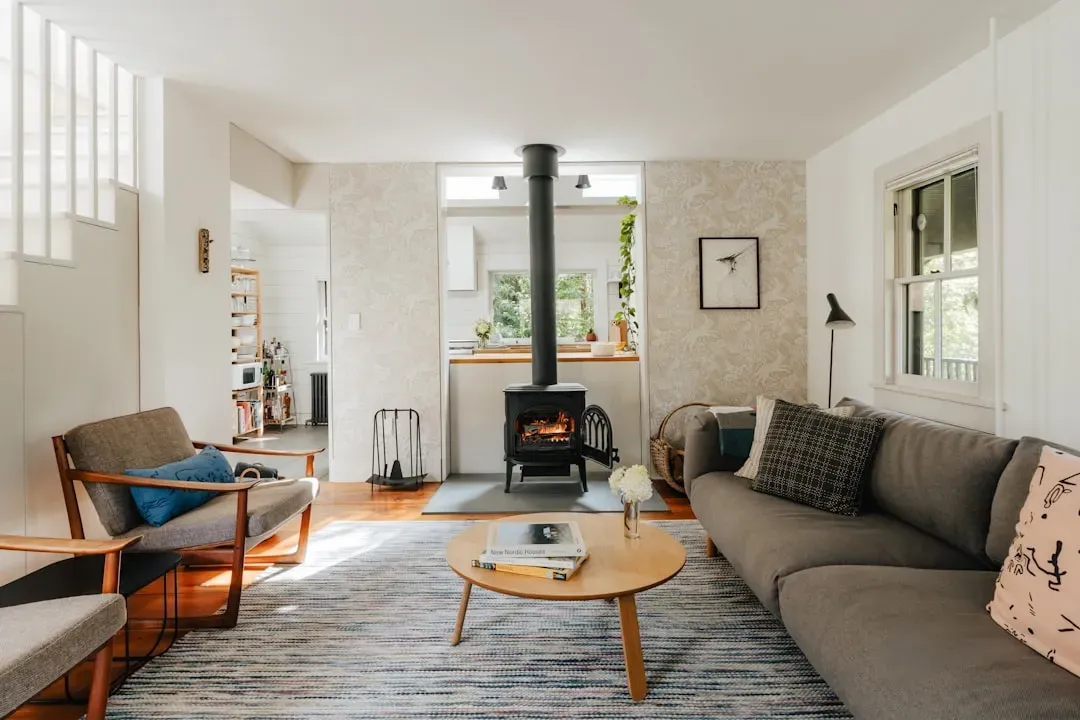
The Sprawling Open-Concept Great Room (Image Credits: Unsplash)
According to Zillow's home trends expert, "Home buyers are embracing smaller, cozier spaces for affordability and sustainability, and rejecting the cavernous open floor plans and pandemic-era need for more and more space." The shift is meaningful because open-concept layouts were considered an almost universal selling point for more than a decade.
As these floor plans became the status quo, the people living in them started to notice trade-offs. Noise travels easily, clutter looks more visible, and finding quiet or private areas can be challenging. With the rise of working from home and multigenerational households, homebuyers are beginning to reconsider knocking down walls. Priorities appear to be gradually shifting from spacious, open vibes to sustaining a lifestyle where a little closed-offness may prove beneficial.
Jacuzzi Tubs and Oversized Soaking Tubs
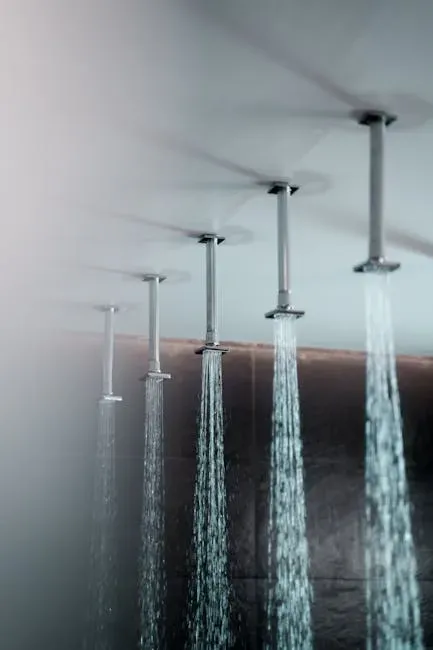
Jacuzzi Tubs and Oversized Soaking Tubs (Image Credits: Pexels)
Jacuzzi tubs are considered sadly outdated in 2026. A hallmark of the '90s, these tubs are just too old-fashioned to fit into the spa bathroom aesthetic. They take up a lot of space in your bathroom, often come with outdated fixtures and finishes, and can be awkwardly shaped. Besides the outdated look, there's a bigger reason this bathtub might make buyers turn away: it's a high-maintenance feature.
Realtors report that modern buyers would much rather have that square footage used for a larger, spa-inspired walk-in shower with multiple heads or additional storage. These oversized tubs are now viewed as "dust collectors" that take too long to fill and consume too much water, making them an eco-liability. In the 2026 "wellness" bathroom, the focus has shifted from soaking in a giant plastic basin to the efficiency and luxury of a high-end shower experience.
Carpeting in Main Living Areas
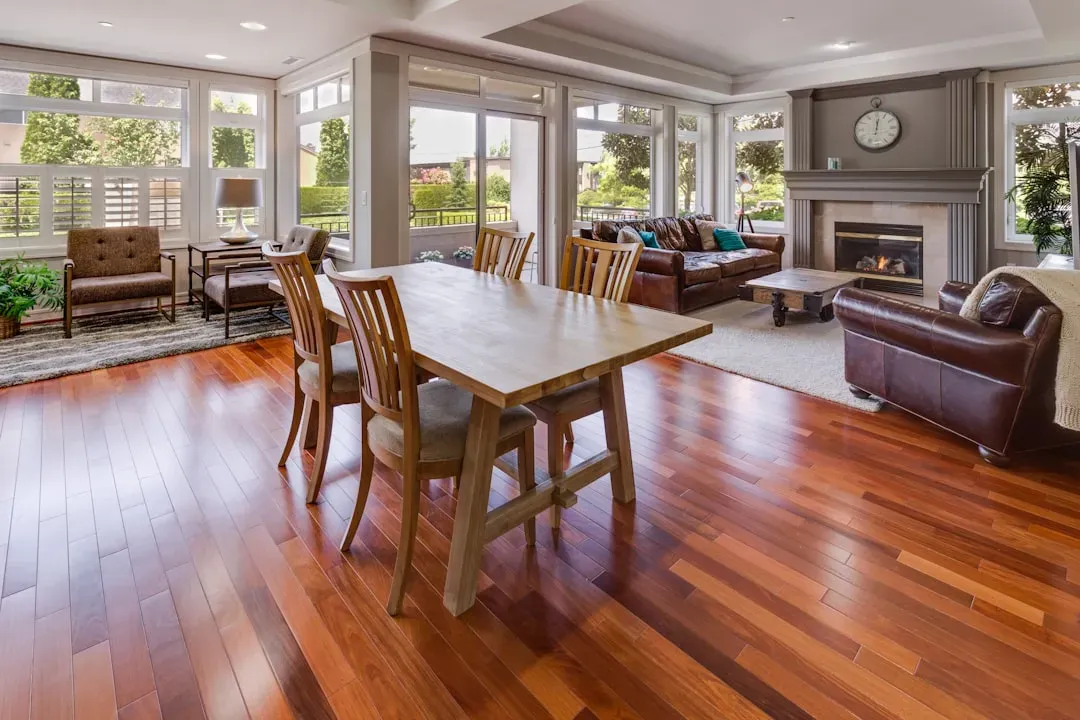
Carpeting in Main Living Areas (Image Credits: Unsplash)
Carpeting used to be a staple in home design, but buyers in 2025 expect hard flooring in main living areas. Carpet is seen as high-maintenance, prone to stains, and less durable than modern flooring options. Carpeted bathrooms in particular are now considered unhygienic because they trap moisture and can contribute to mold and bacterial growth. Home inspectors routinely note them as a sanitation risk. Modern buyers prefer tile or sealed flooring materials that meet current moisture-resistance standards.
Even in bedrooms, hardwood or luxury vinyl plank has largely replaced carpet as the preferred choice among buyers shopping in 2025 and 2026. Luxury vinyl plank, hardwood, or polished concrete are the preferred alternatives. Luxury vinyl plank in particular is the most cost-effective choice because it's durable, waterproof, and looks high-end without the cost of real wood. Buyers today factor in the cost of ripping up carpet before they even make an offer, and that mental calculation rarely works in the seller's favor.