
Renovation season arrives with big ideas and carefully typed spreadsheets. Then the walls come down, and so does the budget. It’s a pattern that plays out in homes everywhere, and the numbers behind it are surprisingly consistent.
Approximately 78% of homeowners went over budget on their last renovation, and more than two thirds experienced the kind of financial surprise that no contingency fund ever quite covers. What follows are the nine most common projects where costs spiral, along with a clear-eyed look at why each one hits so hard.
1. The Full Kitchen Overhaul Without a Realistic Budget

1. The Full Kitchen Overhaul Without a Realistic Budget (Image Credits: Pexels)
Kitchens remain the most renovated rooms in American homes, and they also tend to take the longest to plan, with over nine months of preparation for just over five months of actual work. That planning gap alone is where money starts leaking. Homeowners get attached to finishes and fixtures before anyone has confirmed what the plumbing or electrical will require.
Cost-benefit analyses show that small kitchen renovations costing between $19,000 and $27,000 paid back between 72% and 96% of their original cost, while big kitchen overhauls costing $85,000 or more only paid back 38% to 50%. Bigger is rarely better when you're thinking about long-term value. It's common to come up with new ideas during renovations, and while these modifications may seem minor or necessary, they can substantially impact your budget, with one change triggering a cascade of additional adjustments.
2. Hiring the Lowest Bidder for Complex Work

2. Hiring the Lowest Bidder for Complex Work (Image Credits: Pexels)
Everyone wants to stay on budget, but hiring the lowest bidder often leads to poor quality, missed deadlines, and costly fixes later. If a quote seems too good to be true, it probably is. This is especially true for structural, electrical, and plumbing work, where cutting corners in the hiring stage tends to multiply expenses down the road.
Hiring the wrong contractor can derail a renovation entirely. Whether it's poor communication, missed deadlines, or subpar workmanship, the wrong team can turn a dream project into a financial nightmare. Industry professionals consistently stress that fixing poor workmanship later can cost double what hiring the right team from the start would have.
3. Skipping Permits to Save Time and Money

3. Skipping Permits to Save Time and Money (Image Credits: Unsplash)
Skipping permits seems like easy savings but creates serious long-term problems. Unpermitted work causes inspection failures, insurance claim denials, sale complications, safety hazards, and legal penalties. Required permits typically include electrical upgrades, plumbing changes, structural modifications, and HVAC system replacements.
Skipping permits can devalue your home and create legal issues when you try to sell. Getting caught means stop-work orders and fines until you get proper permits. Unpermitted work can delay a sale, reduce your home's value, or even require costly corrections down the line. The short-term convenience rarely survives contact with the real world.
4. Bathroom Luxury Upgrades That Don't Match the Neighborhood

4. Bathroom Luxury Upgrades That Don't Match the Neighborhood (Image Credits: Unsplash)
Luxury that exceeds neighborhood standards limits return, and removing bathtubs in family-oriented areas can shrink your buyer pool significantly. Upscale bathroom renovations are one of the most seductive traps in home improvement. The tiles look gorgeous in the showroom, but the investment calculus rarely adds up the way homeowners expect.
According to Zillow, midrange bathroom remodels provide the highest overall ROI with a national average of 80%, while upscale bathroom remodels usually recoup only 42% of their project cost. Midrange remodels outperform because they balance cost and appeal in a way that resonates with more buyers. Renovations that depart substantially from neighborhood standards can feel mismatched and may push buyers away. Thoughtful improvements that match the scale of the home enhance value while fitting comfortably within the neighborhood context.
5. DIY Electrical and Plumbing Work Gone Wrong

5. DIY Electrical and Plumbing Work Gone Wrong (Image Credits: Unsplash)
DIY renovations are appealing for their money-saving potential, but they can backfire without the necessary skills and experience, leading to higher costs in the long run. Errors can require you to purchase additional materials or hire professionals to fix or redo substandard work. What starts as a weekend project can quietly become a multi-week repair bill.
DIY gone wrong is more common than most people think. Research suggests that roughly 43% of homeowners say a DIY project didn't go as planned, and over 20% still live with the flawed results. Basic tasks such as painting or updating hardware may be suitable for DIY, but complex endeavors such as electrical or structural work should be entrusted to licensed experts.
6. Ignoring Hidden Costs and Failing to Set a Contingency

6. Ignoring Hidden Costs and Failing to Set a Contingency (Image Credits: Pexels)
The 2024 U.S. Houzz and Home Study found that 39% of homeowners exceeded their renovation budget, and 24% never set a budget at all. That second number is what's truly striking. Starting a project with no financial framework is essentially volunteering for a crisis halfway through the work.
Renovation costs add up quickly, especially when unexpected issues arise. Many homeowners make the mistake of budgeting only for materials and labor, without factoring in contingencies, permits, or temporary living arrangements. A good rule of thumb is to set aside an extra 10 to 20 percent of your total budget for surprises. Every renovation uncovers something unexpected. Old pipes might be worse than they look, or previous DIY work might need complete redoing.
7. Over-Improving for the Neighborhood

7. Over-Improving for the Neighborhood (Image Credits: Pexels)
Deciding to sacrifice a bedroom to combine it with another to create a spacious primary suite or a walk-in closet can lower your property appraisal and limit your home's marketability. This logic applies beyond bedrooms. Any renovation that pushes a property well above the average value of surrounding homes tends to create a ceiling that the market simply won't pay through.
The most luxurious bathroom in a modest area rarely pays back its cost. If it's a forever home, exceeding the guideline may be worth it, but that decision should be intentional, with a clear understanding that personal lifestyle is being prioritized over resale value. Ultra-luxury upgrades and major square-footage additions rarely recoup their costs at resale. Knowing your neighborhood's ceiling before picking up a sledgehammer is one of the most practical things a homeowner can do.
8. Miscommunication and Vague Contractor Agreements
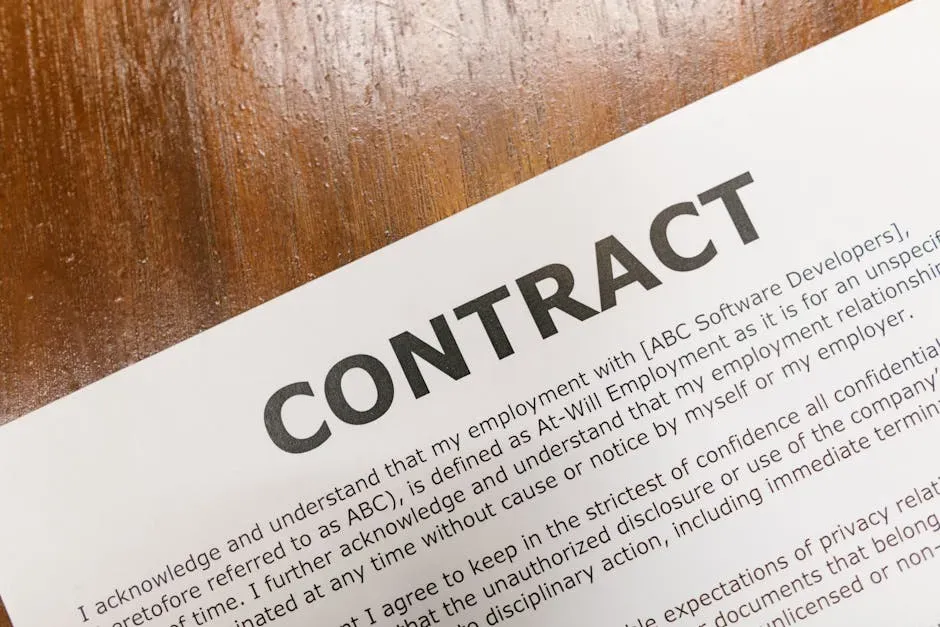
8. Miscommunication and Vague Contractor Agreements (Image Credits: Pexels)
Unclear project scopes mean that you and the contractor might have different visions. Misunderstood timelines can cause delays, leading to additional costs. Ambiguous pricing structures often leave homeowners stunned by final invoices, and these issues frequently begin from vague contracts or failure to thoroughly discuss project details upfront.
Fuzzy project details breed cost overruns, surprise expenses, and endless delays. Vague pricing discussions lead to invoice shock, while murky material specifications trigger expensive do-overs. Every communication gap widens into more labor hours and equipment rental fees. Getting every single detail in writing before work begins isn't overly cautious. It's how renovations stay on track.
9. Choosing Cheap Materials That Cost More Long-Term

9. Choosing Cheap Materials That Cost More Long-Term (Image Credits: Pexels)
Smart money looks past the price sticker to total ownership costs. Life cycle costing tracks every dollar from purchase to replacement. Those budget-friendly materials are wolves in sheep's clothing, demanding constant replacement and draining your wallet over time. A floor that costs half as much but needs replacing in seven years instead of twenty-five is not a bargain.
The cost of materials for a renovation can be unpredictable. Many homeowners assume they can stick to their original project budget, only to find that material prices have surged due to supply chain issues or market demand. Understanding how these price swings affect a renovation can help avoid hidden costs, as material costs ranging from cabinets to countertops can change quickly. Locking in prices early and choosing materials with a genuine long-term track record are habits that protect the budget long after the crew has gone home.