
Our daily routines haven’t necessarily disappeared over the years. However, what has changed is the way in which people handle them each day, and things like shopping & eating out are still a part of everyday life. But the way these experiences worked decades ago was somewhat better than how they work today. Here are seven things that everyday life used to do better in the 80s and 90s.
Grocery checkout was mostly human-run
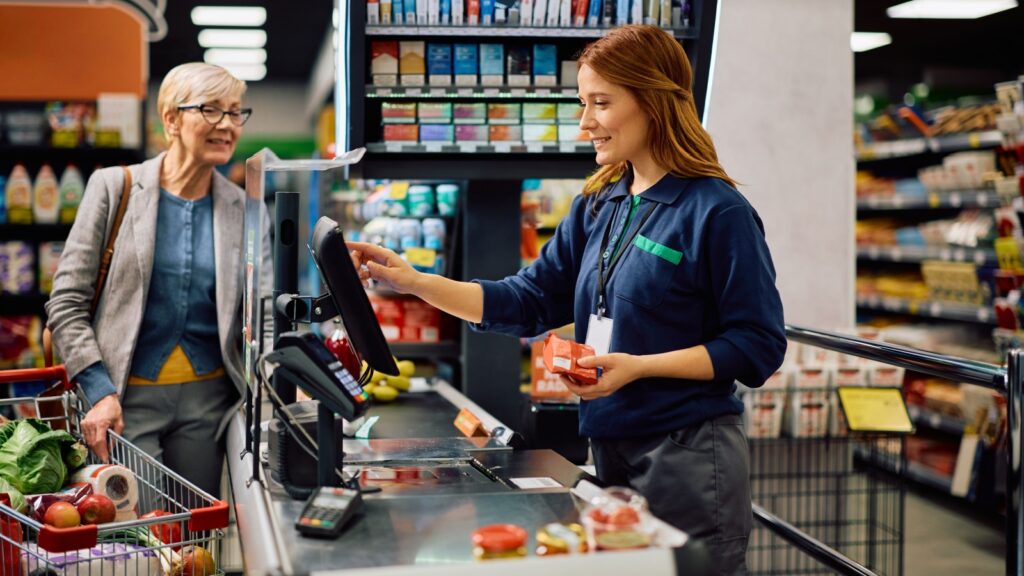
There’s something to be said for the way that grocery stores used to be full of open checkout lanes with actual humans scanning people’s items. They’d open a new line almost as soon as one line backed up. Since workers manned the tills instead of customers, they could handle scanning errors almost immediately and bag your items without you needing to think about it.
But it’s not that way anymore. Self-checkout is the norm in the majority of stores, even during peak hours, and these systems have shifted the responsibility from staff to customers. The whole process of shopping feels slower than it used to be.
Movie start times were accurate

A movie that was listed for 7 PM used to mean exactly that. The film would start only a few minutes after 7 PM, with a couple of previews beforehand, rather than the half hour of commercials that we get today. It’s normal for films to start 25 or even 30 minutes after their posted time because they have so many previews to get through first.
Sure, the basic experience of going to watch a movie hasn’t changed very much. Yet the meaning of “start time” has stretched much further than it used to be, and some movie theatres even warn customers about that in advance.
Fast-food menus were simpler
The majority of fast-food restaurants used to focus on a small set of core items, with menus being easy to read & decisions about what to order being quick. But things have changed. Nowadays, fast food menus have expanded to include all sorts of limited-time items and variations. The add-ons practically fill an entire board.
You have to scan far more options than you did before, even though the food itself is still fast food. The simplicity of it all seems to have been lost over the years. Instead, we now have a complicated menu that plagues customers with decision fatigue.
Big home appliances were more repair-friendly

It sounds strange today, but there used to be a time when you wouldn’t need to go on a shopping trip when your washer or fridge broke. People expected these machines to stick around for decades. As such, repairing these items was a normal part of owning them, especially since these parts were far easier to swap out than those previously.
You could always take your broken appliance to a local repair shop if you really were unable to fix it, but most people never needed to do that. It’s such a change from now. These days, appliances have become more complicated, and that means that you’re more likely to get them replaced than fixed.
Phone calls had less spam

You’d answer the phone with very little hesitation in the past because most calls came from your loved ones or someone else who was actually trying to talk to you. That’s not to say sales calls didn’t exist. They did. However, they were much more limited than the ones we get today, and you could recognize them a lot more quickly, too.
A lot of spam calls now come from unknown or even spoofed numbers. Robocalls have become so widespread that some people choose to screen their calls by default, as they believe that a real person would ring twice for something important.
Printed instructions were clearer

Gone are the days when you could find a hefty instruction booklet inside a new item that you’ve purchased. Instead, you’ll get a few pieces of paper with a QR code attached so you can watch a video on how to assemble your new purchase. It’s a shame. You used to have clear instructions, with labeled diagrams & numbered steps to solve any issue you had.
You didn’t need a separate device to understand what to do next because it was all there for you in the manual. But now, you’ll need an internet connection to figure out what to do. Otherwise, you’re left guessing your way through it all.
Local store hours were more consistent
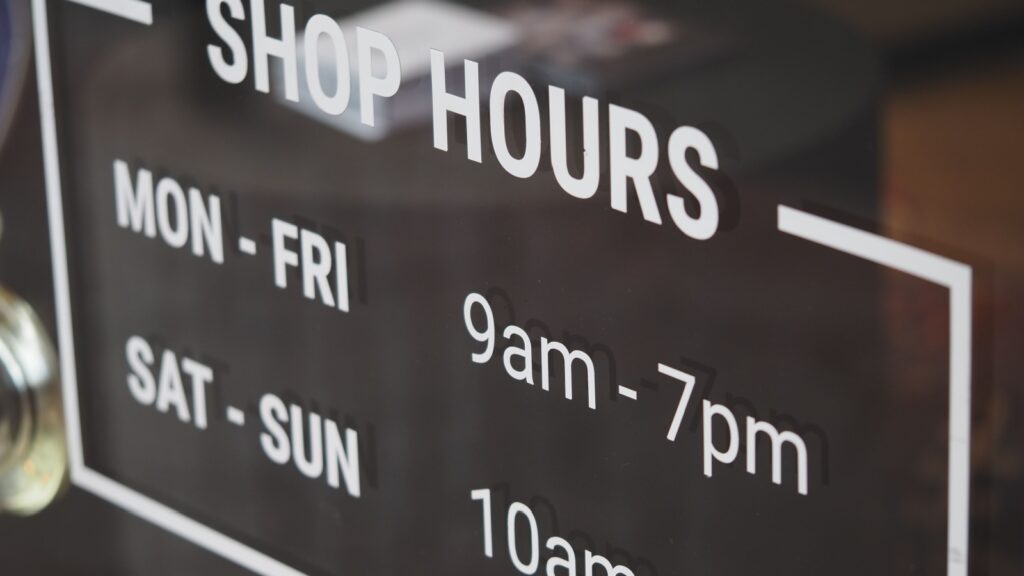
The schedules of most small shops barely changed in the past, meaning you could simply learn the hours once and count on the store to stick to these times, month after month. There was always a clear reason whenever a place closed early. They’d also let you know well in advance.
These days, hours can change at the drop of a hat, and they don’t always tell you online.
There’s usually only a QR code in the window with the schedule for that day because it changes so often. Knowing exactly when a store will open takes a lot more checking than it ever used to, even though things are supposed to be simpler today.
17 Essential Things That Didn’t Exist 40 Years Ago
Here we are, living in a world with all these gadgets and luxuries straight from that were pure sci-fi back then. Some of these did not even exist in the imagination. And now? You’d be sweating without them. Prepare to feel both old and wildly dependent.
17 Essential Things That Didn’t Exist 40 Years Ago