
Ask someone to name a longevity food and you'll likely hear the same handful of answers: blueberries, salmon, maybe a green smoothie. Those choices aren't wrong, but they've been repeated so often that the conversation has stalled there, while a quieter group of foods with genuinely interesting research behind them gets skipped entirely. Some of these are fermented, some are wild weeds, some are simply unfamiliar outside their home regions, yet each one has a body of scientific literature that stretches from Japanese cohort studies to Canadian polyphenol labs.
What follows isn't a list of trendy powders or supplement-aisle buzzwords. These are actual foods, with actual research attached, that rarely make it onto the standard "eat this for longevity" roundup.
Natto, the sticky soybean dish with a bone and heart connection
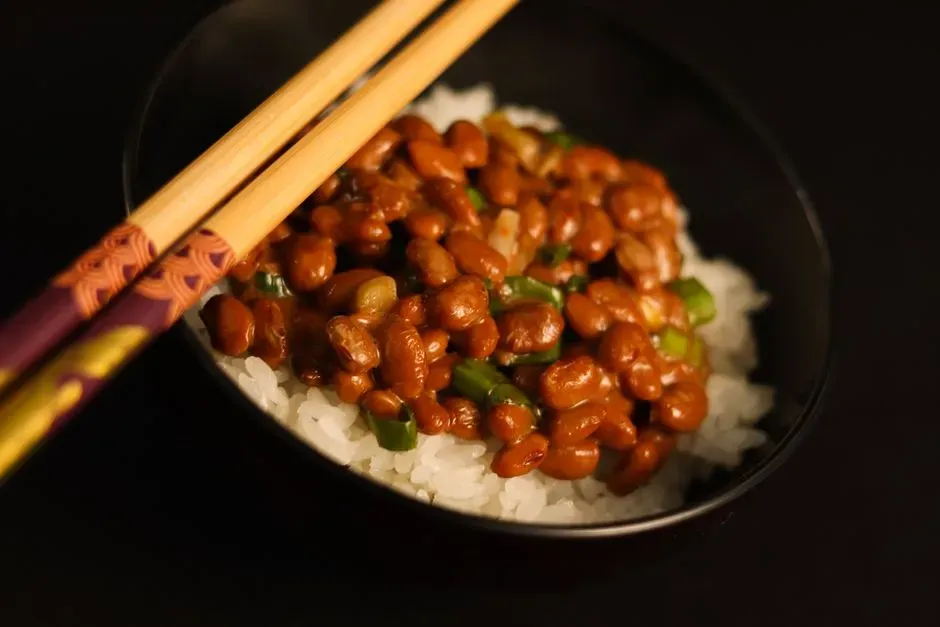
Natto, the sticky soybean dish with a bone and heart connection (Image Credits: Pexels)
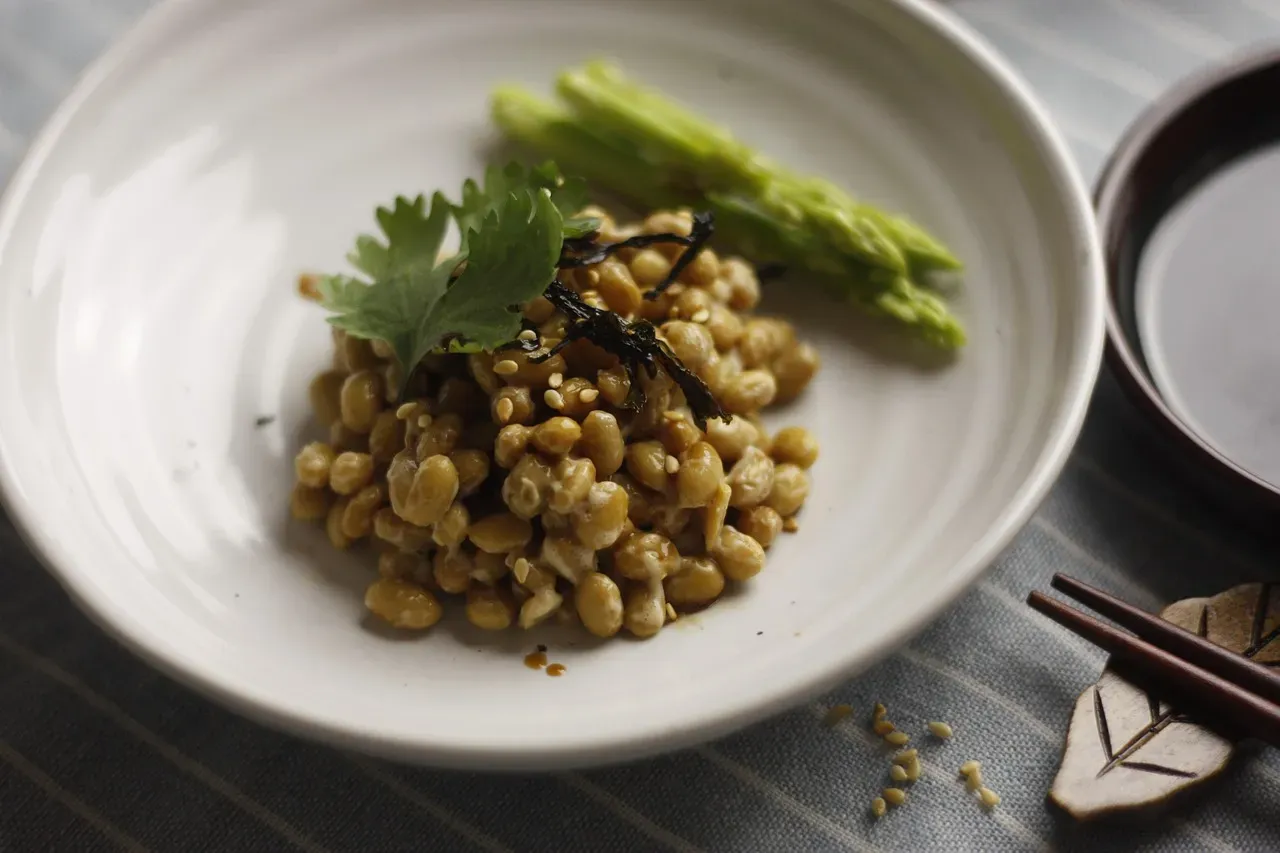
Natto is fermented soybeans, and it has a reputation problem because of its slippery texture and strong smell. That’s unfortunate, because it happens to be one of the richest known sources of vitamin K2 in the MK-7 form, the kind with a long half-life and strong bioavailability in the body. Natto, a traditional Japanese fermented soybean food, is the richest natural source of menaquinone-7 (MK-7), a form of vitamin K2 involved in osteocalcin activation and bone mineralization.
A 2025 meta-analysis pulling together six studies and over two thousand participants found that habitual natto consumption is associated with improved vitamin K status and bone metabolism markers. Earlier Japanese cohort research had already suggested something striking about the effect size. Research from Japan following 944 healthy women over three years reported that natto consumption could reduce bone loss in post-menopausal women by as much as 80 percent. Vitamin K2 doesn’t stop at bones either, since it plays a role in keeping calcium out of arteries and directing it toward the skeleton instead.
Purslane, the garden weed with more omega-3 than kale
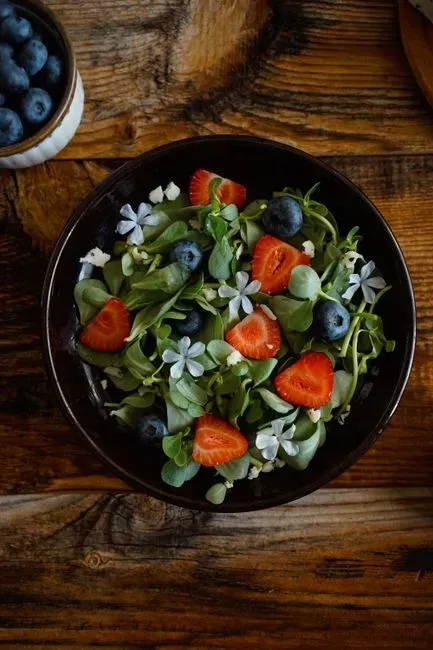
Purslane, the garden weed with more omega-3 than kale (Image Credits: Pexels)
Most gardeners pull purslane out and toss it. That’s a shame, because this small succulent leafy green, sometimes called verdolaga, has one of the more unusual nutrient profiles in the plant kingdom. Purslane has been identified to contain the highest amount of omega-3 fatty acids, especially alpha-linolenic acid, than any green leafy vegetable and has better nutritional quality.
That matters for longevity because a diet skewed too heavily toward omega-6 fats relative to omega-3 is linked to chronic inflammation. Omega-3 fatty acids play an important role in the prevention and treatment of coronary artery diseases, hypertension, diabetes, arthritis, cancer, and other inflammatory disorders, and a low ratio of omega-6 to omega-3 helps prevent chronic disease. On top of that, purslane holds its own against more famous greens on other fronts too. When compared with kale and spinach, purslane contains the highest amount of the antioxidants vitamin C and E, and it contains higher levels of potassium, calcium, magnesium, phosphorus, and iron than spinach. It’s edible raw in salads, sautéed like spinach, or pickled, and it grows practically everywhere without anyone planting it.
Sea buckthorn, the sour orange berry researchers keep circling back to
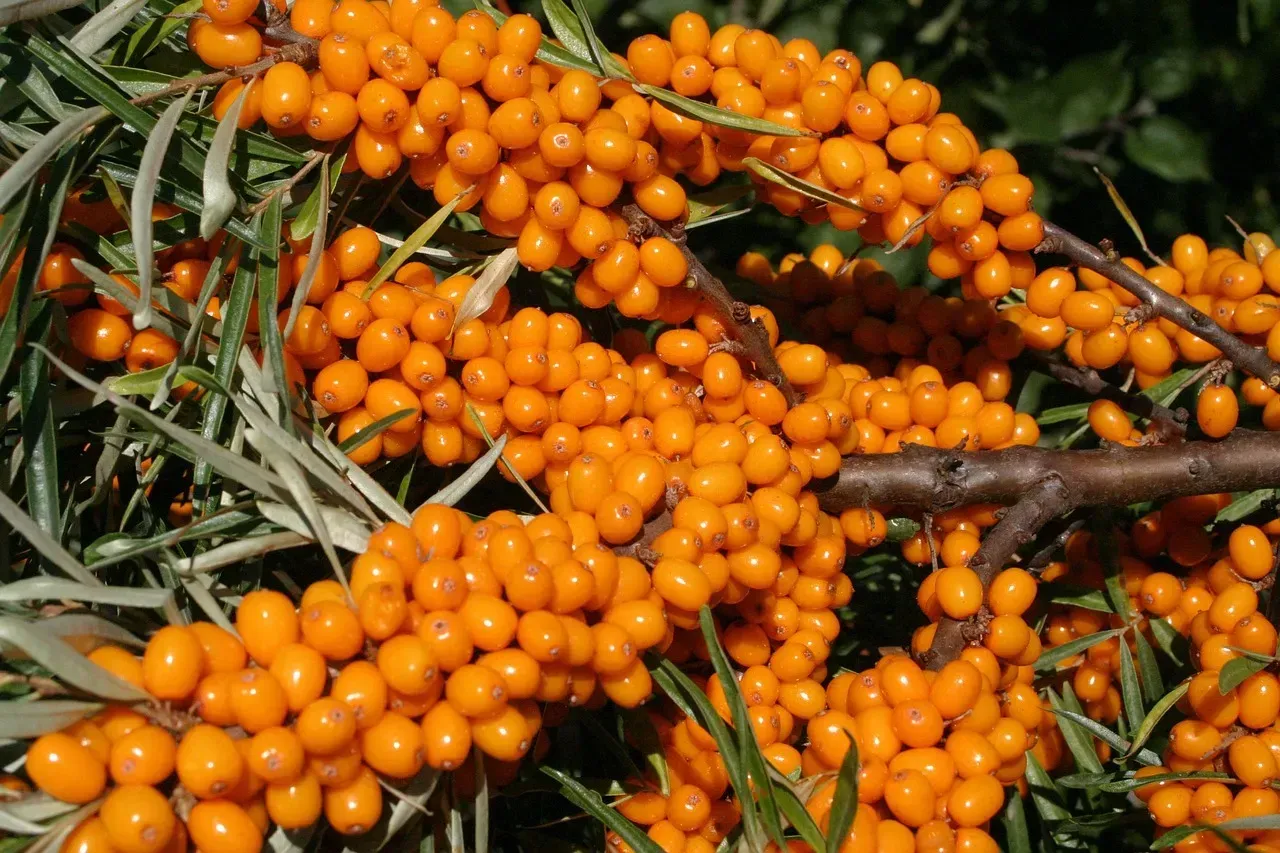
Sea buckthorn, the sour orange berry researchers keep circling back to (Image Credits: Pixabay)
Sea buckthorn berries look almost too vivid to be real, clustered tight and bright orange along thorny branches across northern Europe and Central Asia. They taste sharp, almost unpleasantly sour on their own, which is probably why most people outside those regions have never tried them. That sourness comes from an extraordinary vitamin C load. Sea buckthorn berries are potent sources of vitamin C, with average concentrations of 275 mg per 100 grams exceeding those found in oranges, bananas, and mangoes.
Beyond vitamin C, the berries and their oil carry a dense mix of other compounds worth noting. Sea buckthorn contains many nutritional active components, such as vitamins, carotenoids, polyphenols, fatty acids, and phytosterols, and has shown antioxidant, anticancer, anti-hyperlipidemic, anti-obesity, anti-inflammatory, and neuroprotective activities in research. Canadian researchers studying cultivars grown in Newfoundland recently confirmed the berry’s polyphenol content varies by geography, which is part of why interest in commercializing it has picked up. Most human clinical trials are still limited, so the fairest way to describe sea buckthorn right now is promising rather than proven, but the preclinical picture is unusually rich for a fruit this obscure.
Black garlic, the aged clove with a mellow taste and a stronger antioxidant punch
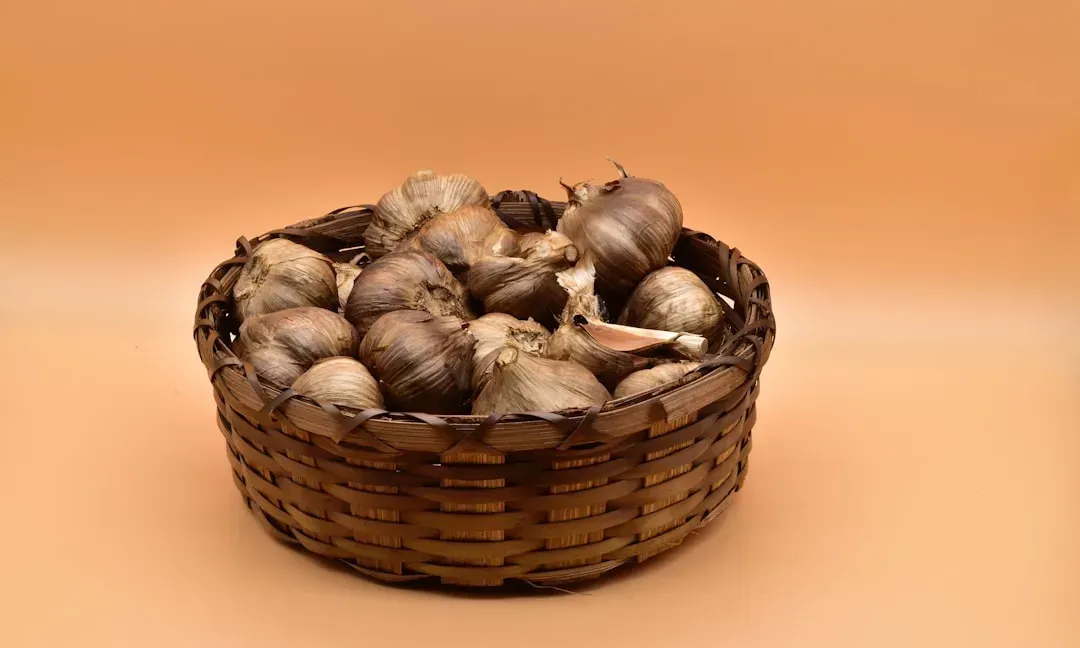
Black garlic, the aged clove with a mellow taste and a stronger antioxidant punch (Image Credits: Unsplash)
Black garlic starts as ordinary garlic, then gets aged for weeks under controlled heat and humidity until the cloves turn soft, dark, and sweet. The process removes the sharp bite and the notorious breath, which alone makes it more appealing to a lot of people. But the aging also changes the chemistry in a way that seems to boost certain protective compounds. Black garlic had a higher total phenolic content than fresh garlic and four to nine times more antioxidant activity.
Human trials remain modest in number, though a few give a useful glimpse. In one study, 60 people with elevated cholesterol took six grams of aged black garlic extract or a placebo daily for 12 weeks, and black garlic increased HDL cholesterol and reduced potential heart disease markers, though there were no differences in triglycerides, LDL, or total cholesterol between the groups. Reviewers studying the compound class as a whole describe a similarly broad but early-stage picture. Extensive in vitro and in vivo studies have demonstrated that aged black garlic has a variety of biological functions such as antioxidant, anti-inflammatory, anti-cancer, anti-obesity, anti-diabetic, anti-allergic, cardioprotective, and hepatoprotective effects. None of that makes black garlic a cure for anything, but it does explain why researchers keep returning to it.
Putting these four into everyday context
Putting these four into everyday context (Image Credits: Pixabay)
Natto, purslane, sea buckthorn, and black garlic share a common thread beyond their obscurity. Each one has been part of a traditional diet somewhere in the world for generations, and modern lab work is now catching up to explain why those diets held on to them. None of these foods work like a magic bullet, and the research behind each ranges from solid observational data, as with natto and bone density, to earlier-stage animal and cell studies, as with much of the sea buckthorn and black garlic literature.
The honest takeaway is that variety itself tends to matter more than any single ingredient. Adding a spoonful of natto, a handful of purslane, a splash of sea buckthorn juice, or a clove of black garlic here and there costs little and broadens the nutrient mix in ways a diet built entirely around the usual superfoods simply can't.