
Food rarely stays put. It travels in suitcases, ship holds, and memory, then quietly rewrites the menu of wherever it lands. Some countries wear this history openly, their national dishes tracing straight back to people who arrived from somewhere else entirely. Looking at how these places eat today says a lot about who showed up, when, and what they refused to leave behind.
United Kingdom: how curry became comfort food
United Kingdom: how curry became comfort food (Image Credits: Unsplash)
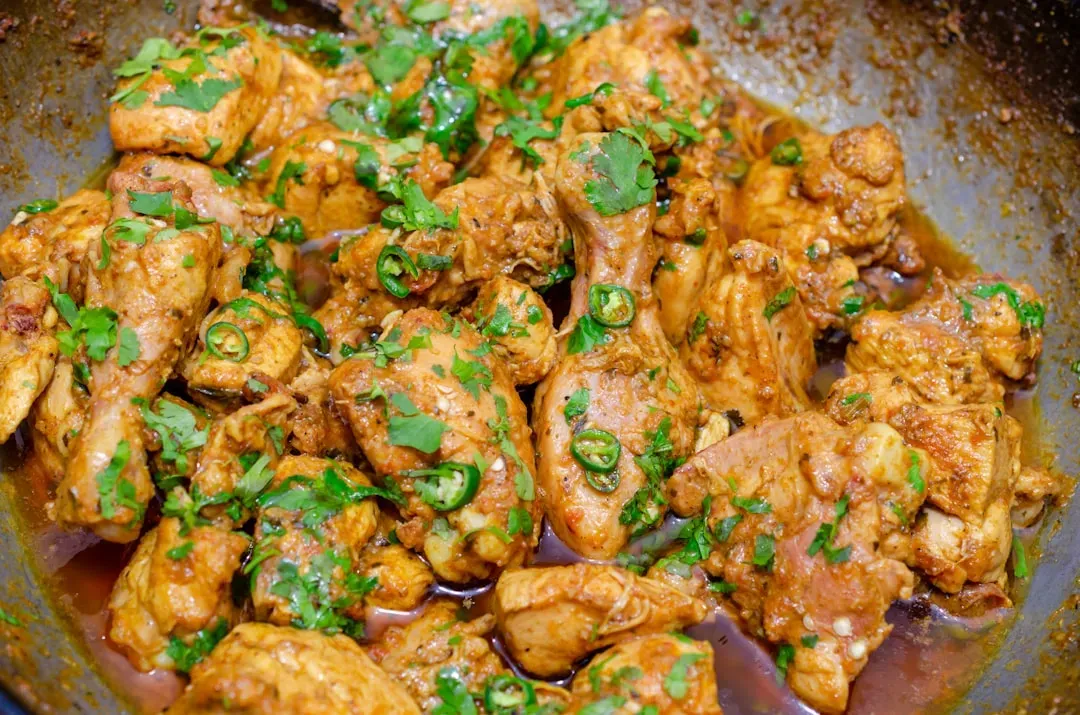
Britain's relationship with spice began under empire, but it was postwar migration that turned curry into something closer to a national habit. The Brits love a good curry, an appetite that originated when the British ruled India from 1858 to 1947, and after India gained independence, an influx of Bangladeshi, Pakistani, and Indian migrant chefs brought recipes to the UK. Many of the restaurants that shaped this scene were not run by Indians at all but by Bangladeshis adapting to British palates.
Chicken tikka masala is the clearest proof of that adaptation. It is generally agreed that chicken tikka masala was invented by South Asians who emigrated to the United Kingdom and adapted their national cooking style to the British palate. The scale of it today is hard to overstate: there are reportedly some 12,000 curry houses across the UK, ranging from simple diners and takeaway shops to Michelin-star restaurants. A dish born of immigrant improvisation ended up on the shortlist for the nation's favorite food.
Peru: chifa and the fusion nobody planned
Peru: chifa and the fusion nobody planned (David Berkowitz, Flickr, <a href="https://creativecommons.org/licenses/by/2.0/" target="_blank" rel="noopener">CC BY 2.0</a>)
Peru's culinary identity owes an enormous debt to Chinese laborers who never intended to stay permanently but did anyway. Between the years 1848 and 1874, approximately 91,000 Chinese immigrants were brought to Peru as laborers, becoming the first Asians to arrive in the country. Working under brutal contract labor conditions, they still found ways to recreate familiar flavors with whatever was on hand.
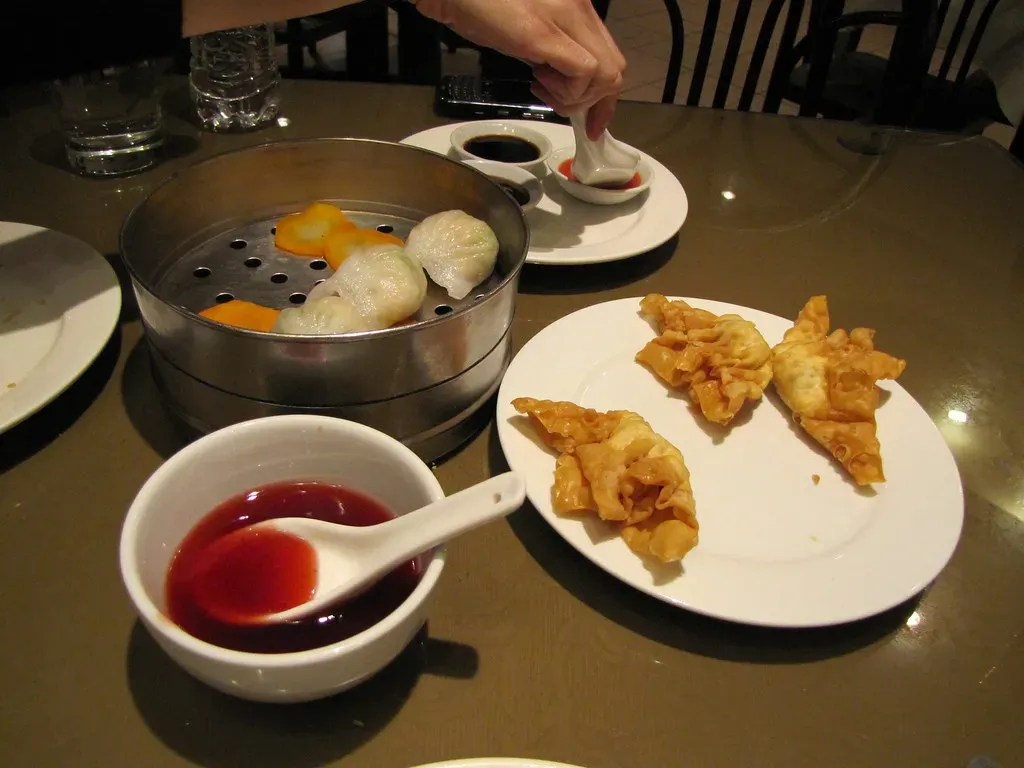
The result is chifa, a genre of cooking so embedded in daily life that it barely registers as foreign anymore. The fusion emerged as a whole new authentic Peruvian cuisine known as chifa, which includes dishes like soups, stir fries, fried rice, noodles and tangy sauces. Lima's Chinatown remains the symbolic heart of it, and Lima is home to more than 6,000 Chinese restaurants known as chifas, reflecting the long history of Chinese immigration and influence in the country. Dishes like lomo saltado now sit alongside ceviche as pillars of what people simply call Peruvian food.
Germany: the döner kebab and the guest worker generation
Germany: the döner kebab and the guest worker generation (Doener Kebab, <a href="https://commons.wikimedia.org/w/index.php?curid=33573856" target="_blank" rel="noopener">CC BY 2.0</a>)
Germany's postwar labor shortage brought in hundreds of thousands of Turkish workers, and their impact on the German plate has been enormous. As the German economy catapulted itself from the ashes of World War II, it found itself in dire need of labourers, so tens of thousands of Turks were invited to come to the country as guest workers. When the economic boom faded in the 1970s, some of those same workers turned to food service to survive.
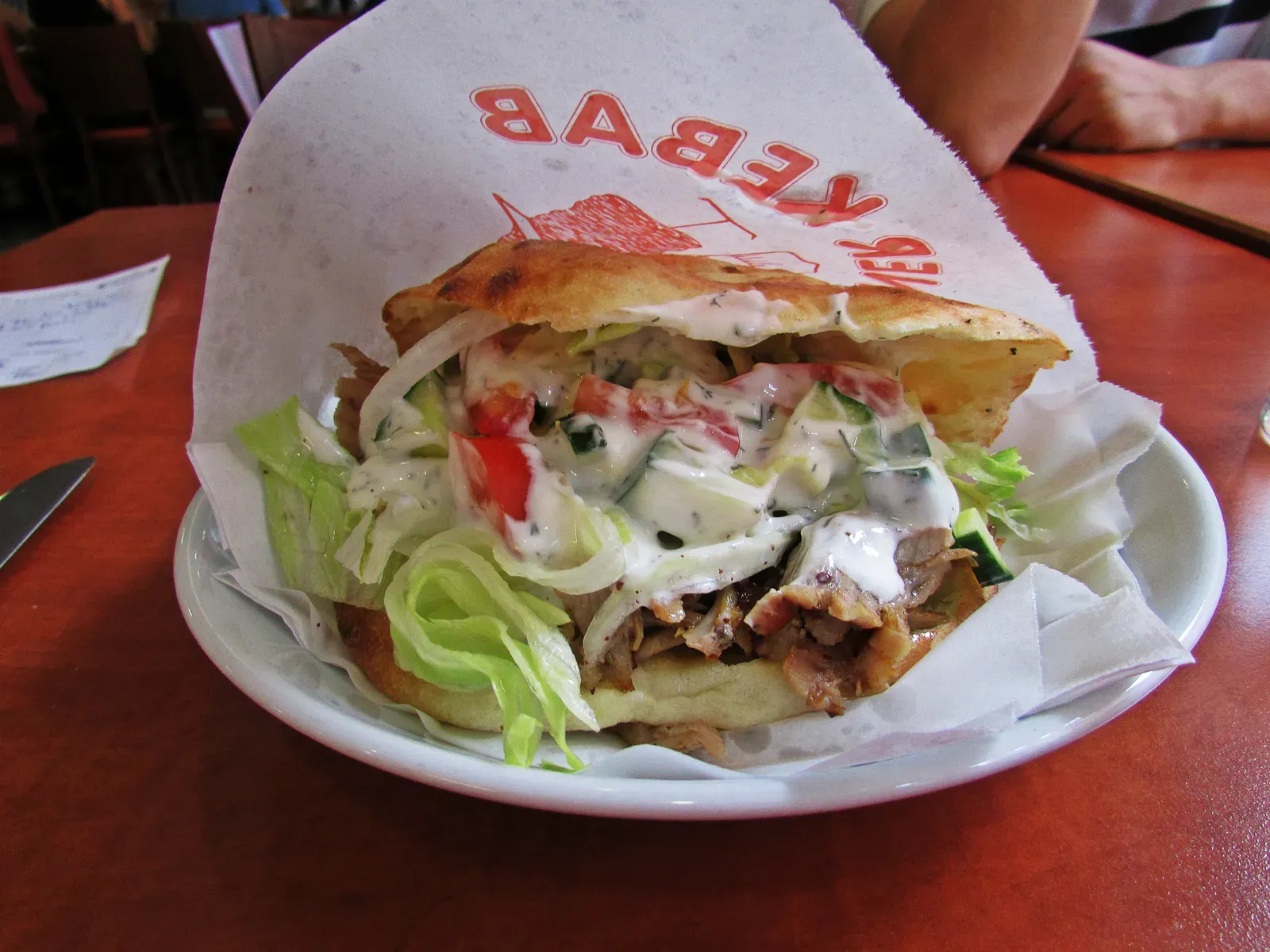
That's the backdrop for the döner kebab's transformation into sandwich form, widely credited to Berlin. Many believe that the döner kebab was actually first created in Berlin by a Turkish guest worker named Kadir Nurman in 1972. The scale it reached is striking on its own: there are now more than 16,000 döner shops in Germany, part of an industry that employs 200,000 people across Europe. A quick meal invented out of necessity is now arguably Germany's most recognizable street food.
Argentina: an Italian accent on a South American plate
Argentina: an Italian accent on a South American plate (Pedro Alonso., Flickr, <a href="https://creativecommons.org/licenses/by/2.0/" target="_blank" rel="noopener">CC BY 2.0</a>)
Argentina absorbed one of the largest waves of Italian migration anywhere outside Italy, and the kitchen shows it. Between 1870 and 1960, approximately 2.5 million Italians migrated to Argentina, coming primarily from regions like Liguria, Sicily, and Calabria. They arrived with recipes, not just labor, and those recipes quickly moved from immigrant households into the national repertoire.
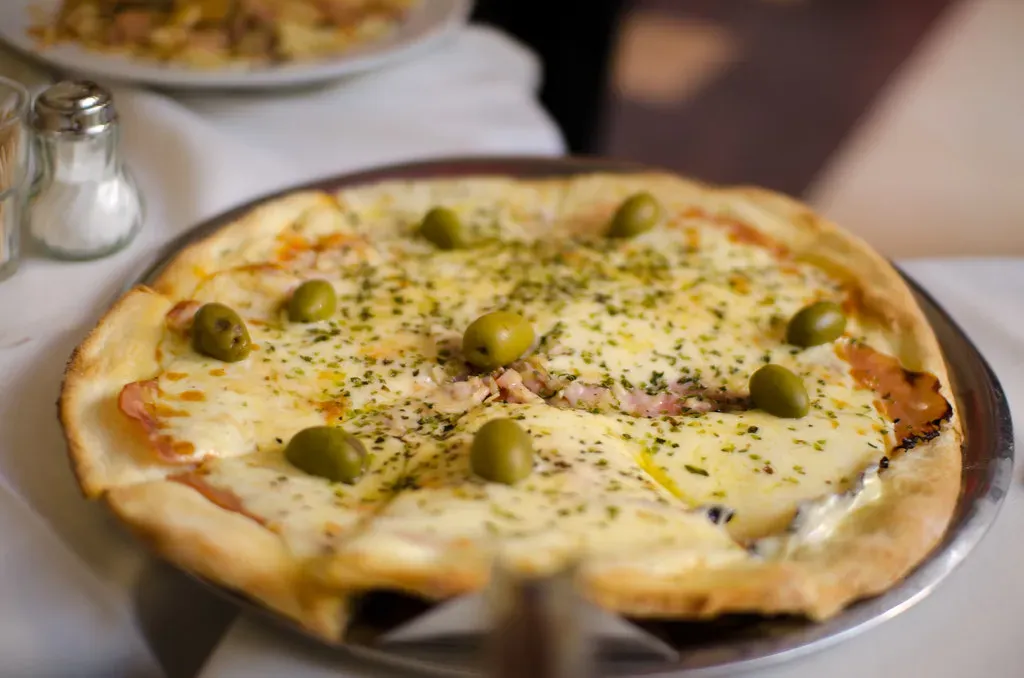
Pizza, pasta, and milanesa are now treated as Argentine staples rather than imports, each one reshaped along the way. The influence of these immigrants is such that today, Italian cuisine is considered almost as traditional in Argentina as indigenous dishes. Buenos Aires pizza in particular went its own direction, favoring a thick, cheese-heavy style quite different from its Neapolitan ancestor. Sunday pasta dinners remain a fixture in many Argentine homes, a quiet holdover from a migration wave that ended generations ago.
Singapore: a menu built from three continents
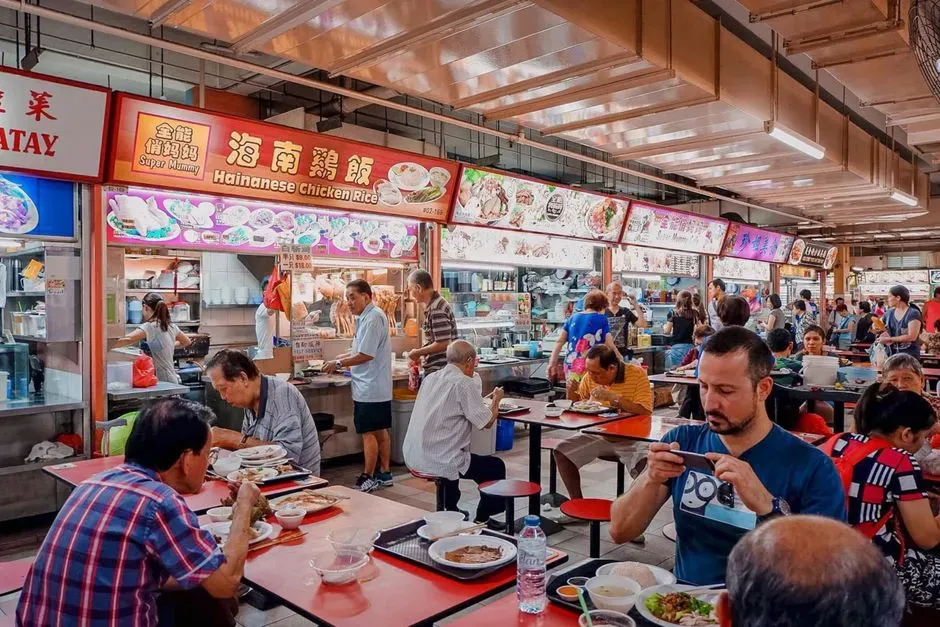
Singapore: a menu built from three continents (Image Credits: Pexels)
Few places wear culinary blending as visibly as Singapore, where hawker centers function as everyday meeting points for different communities. Evolved from street food culture, hawker centres have become markers of Singapore as a multicultural city-state, comprising Chinese, Malay, Indian and other cultures. Vendors historically carried their kitchens on poles through immigrant neighborhoods, trading dishes across ethnic lines long before fusion became a marketing word.
That history earned international recognition in 2020, when UNESCO added the tradition to its Intangible Cultural Heritage list. Singaporeans of all backgrounds share a common way of life and special pride in their iconic Hawker Culture, which was inscribed onto the UNESCO Representative List of the Intangible Cultural Heritage of Humanity in December 2020. Even the national dish carries an immigrant story, since Singapore's national dish, Hainanese chicken rice, was brought by immigrants from the Hainan province in southern China. Laksa tells a similar tale, blending Chinese noodles with Malay spice pastes into something neither culture claims entirely on its own.
United States: a country that eats its arrivals' history
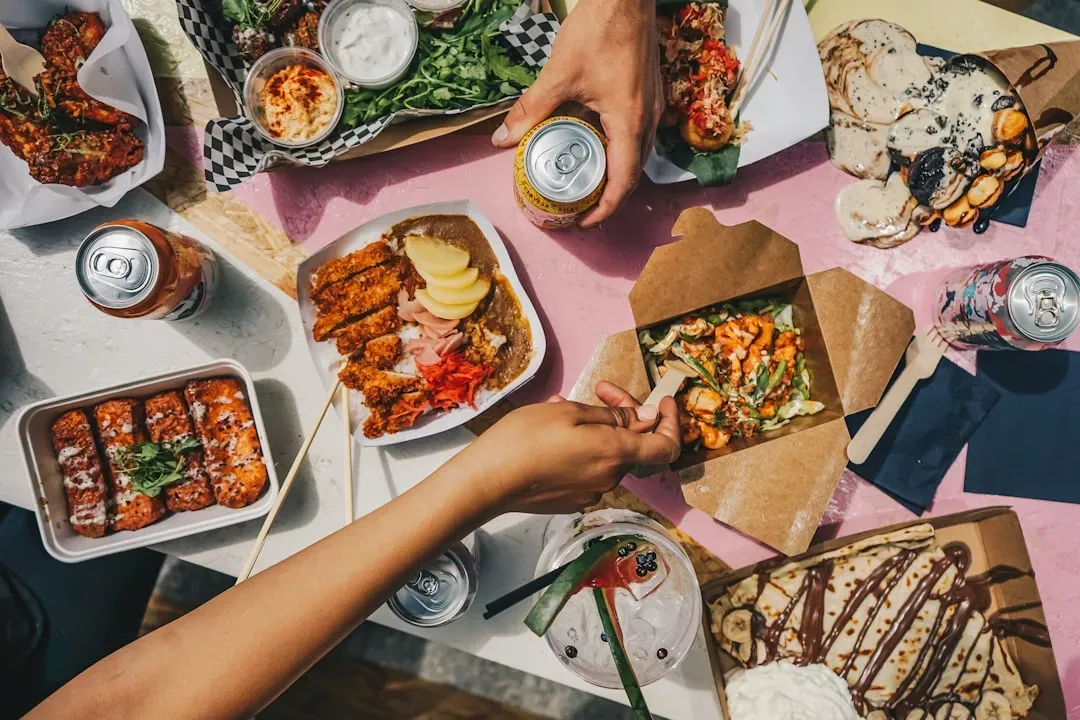
United States: a country that eats its arrivals' history (Image Credits: Unsplash)
American food culture has been shaped continuously by successive waves of immigration, each one leaving dishes that eventually stopped being considered "ethnic" at all. Italian immigrants popularized pizza and red-sauce cooking in the early twentieth century, while later waves from Mexico, China, Vietnam, and the Middle East each added their own now-familiar staples, from tacos to pho to falafel wraps. Regional American food often reflects specific immigration patterns, such as the deep imprint of Vietnamese communities on Gulf Coast seafood or the influence of Ethiopian and Eritrean immigrants on Washington D.C.'s restaurant scene.
What makes the American case distinct is the sheer speed at which immigrant food becomes mainstream, then gets copied, simplified, and sold back in new forms. Chinese American food, for instance, developed its own dishes rarely found in China itself, adapted decades ago by immigrant cooks working with local ingredients and American appetites. The pattern keeps repeating with newer arrivals, meaning the American plate is less a fixed tradition than an ongoing negotiation between whoever just got here and whoever got here before them.
Australia: from meat and three veg to a genuinely global table
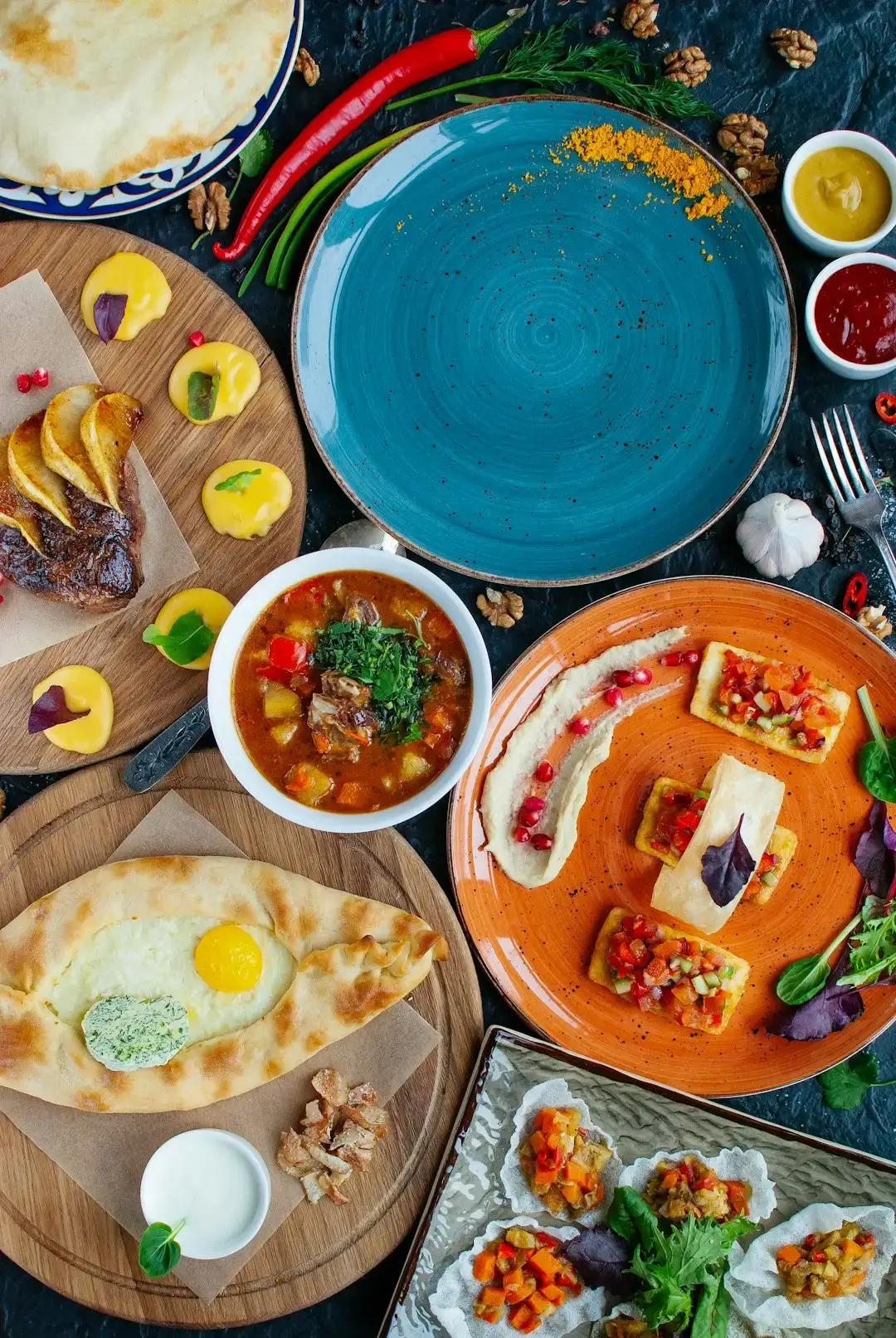
Australia: from meat and three veg to a genuinely global table (Image Credits: Unsplash)
Australian food before large-scale postwar immigration was famously plain, built around British staples with little variation. Waves of Greek, Italian, and later Vietnamese, Lebanese, and Chinese immigration changed that gradually but permanently, introducing everything from souvlaki shops to banh mi bakeries into ordinary Australian towns. Melbourne in particular became known for its strong Greek and Italian immigrant communities, whose cafés and restaurants reshaped the city's food identity through the second half of the twentieth century.
More recent immigration from Vietnam, Lebanon, and parts of East and South Asia has kept the shift moving rather than letting it settle into nostalgia. Suburban strips in Sydney and Melbourne often read like a condensed world map, with Vietnamese pho houses next to Lebanese bakeries and Chinese barbecue counters. The change has been gradual enough that many Australians simply think of this variety as ordinary weeknight food, not something that required generations of migration to arrive.
Brazil: African, European, and Japanese threads in one kitchen
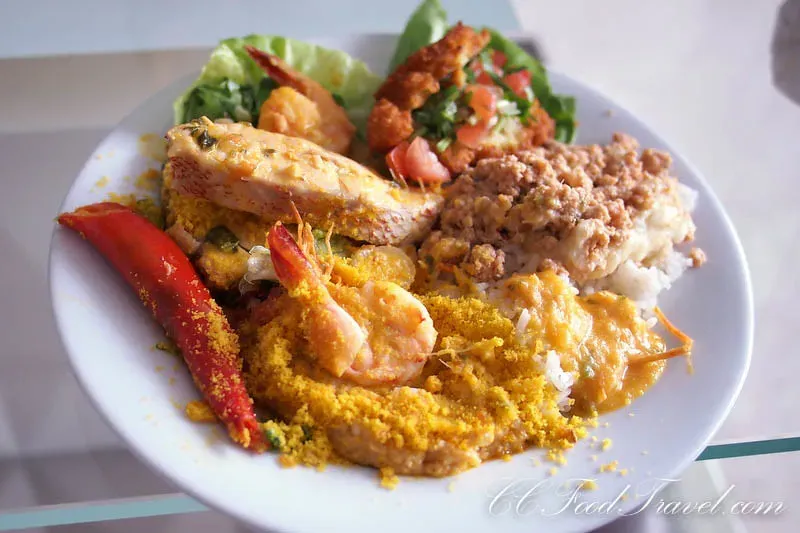
Brazil: African, European, and Japanese threads in one kitchen (CCFoodTravel.com, Flickr, <a href="https://creativecommons.org/licenses/by/2.0/" target="_blank" rel="noopener">CC BY 2.0</a>)
Brazilian cuisine carries the marks of forced and voluntary migration alike, starting with the culinary contributions of enslaved Africans whose ingredients and techniques remain foundational, particularly in Bahian cooking. Later waves of European immigration, especially Italian and German settlement in the south, added their own regional imprints, visible today in the wine and sausage traditions of states like Rio Grande do Sul. Each layer arrived at a different moment and under very different circumstances, yet all of them are still traceable on a modern Brazilian table.
Japanese immigration added another distinct layer, concentrated heavily around São Paulo, which holds one of the largest Japanese diaspora populations outside Japan. That community's influence shows up plainly in how common sushi and Japanese-Brazilian fusion dishes have become in Brazilian cities, often adapted with local ingredients and served in ways that would look unfamiliar in Tokyo. The overall effect is a cuisine that resists a single origin story, built instead from several immigrant histories running in parallel rather than one replacing another.
Final thoughts
Final thoughts (Image Credits: Unsplash)
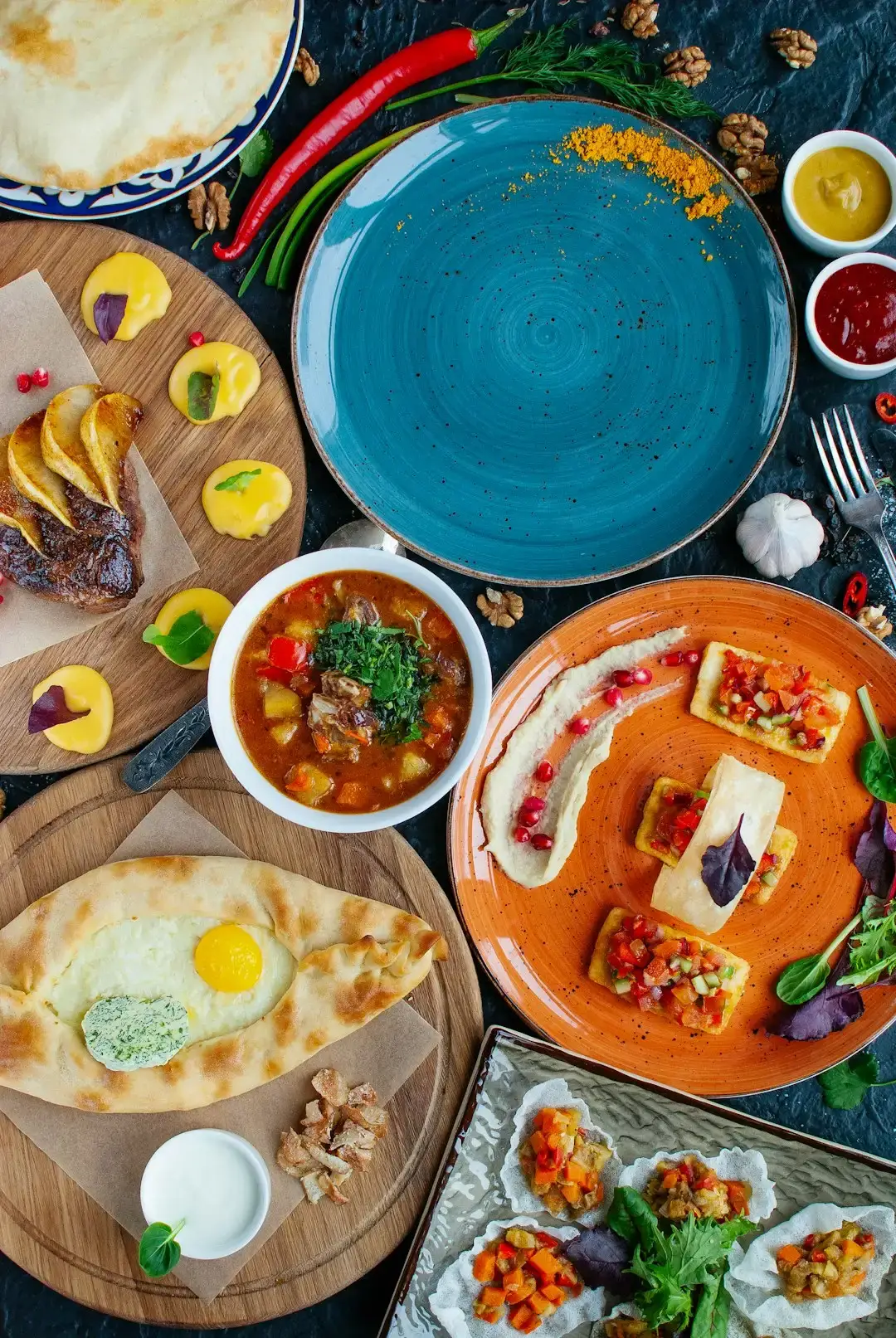
None of these eight countries planned their food culture this way. It happened through labor shortages, colonial ties, economic desperation, and simple human stubbornness about wanting a taste of home. What's left behind is rarely a copy of the original cuisine and rarely purely local either, but something new that both sides eventually claim as their own. That in-between space, oddly enough, is where some of the most enduring national dishes seem to live.