
Moving day is chaotic enough without realizing someone is quietly sizing up your boxes, your landscaping choices, and even the way you park your car. Yet in most planned communities, that's exactly what happens. HOA presidents and board members tend to notice new residents fast, and not always for reasons that feel welcoming.
Most of this scrutiny isn't personal. It's practical. Boards are legally responsible for enforcing covenants, and new homeowners are statistically the most likely group to trigger a violation notice within their first few months. Here are seven things that tend to catch an HOA president's eye almost immediately.
1. Moving trucks and trailers parked too long

1. Moving trucks and trailers parked too long (Image Credits: Unsplash)
Nothing announces a new resident faster than a moving truck sitting in the driveway or on the street for days. Many HOAs have explicit rules limiting how long commercial vehicles, trailers, or oversized trucks can remain visible, often capping it at 24 to 48 hours. Board members who live nearby or drive past daily tend to clock this almost instantly, especially in smaller communities where change is easy to spot.
The issue isn’t usually the move itself but what lingers afterward. A rental truck returned late, a moving pod left on the curb for a week, or a trailer used for hauling extra furniture can all trigger a quiet conversation or a formal notice. Presidents often mention this as one of the first interactions they have with new owners, simply because timing rules are among the easiest violations to observe from a car window.
2. Landscaping that doesn't match community standards
2. Landscaping that doesn't match community standards (Image Credits: Unsplash)
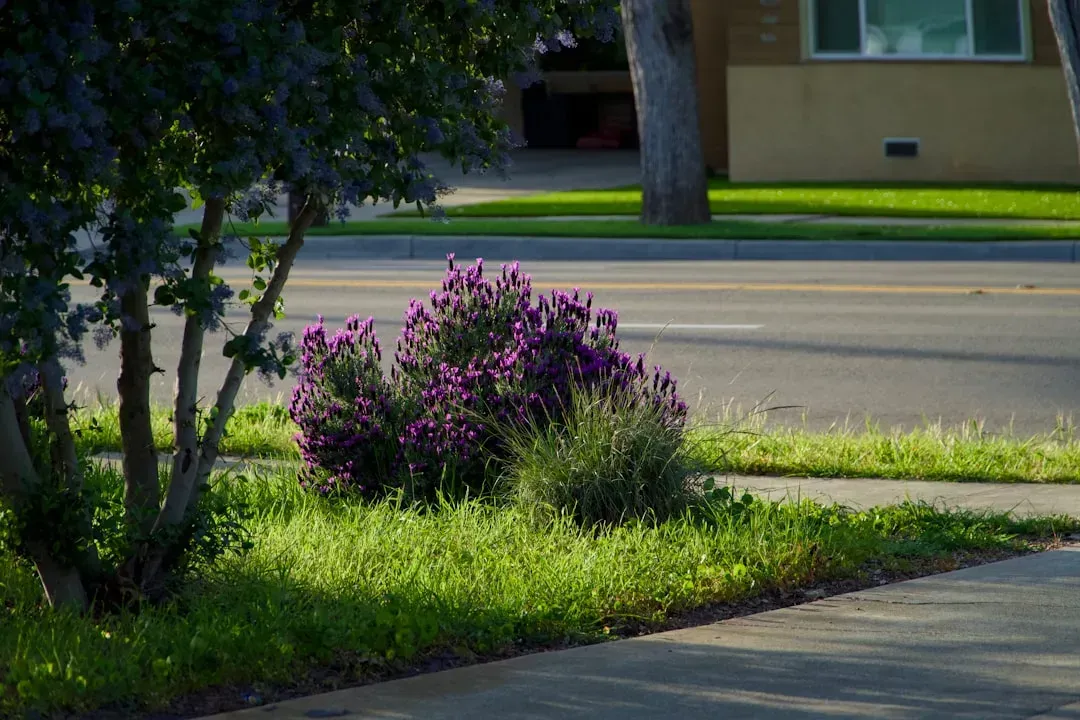
New homeowners frequently want to make a space their own, and lawns are often the first thing they touch. Unfortunately, many HOAs have strict guidelines on grass height, mulch color, edging, and even which plants are approved. A yard that looks slightly different from the neighbors, whether overgrown or oddly manicured, tends to stand out within days.
Board presidents often describe landscaping as the single most common early flag because it’s visible from the street and changes fast. Even well-intentioned upgrades, like a vegetable garden in the front yard or a new tree species, can violate architectural guidelines that weren’t obvious during the home purchase. Since landscaping violations are usually the easiest to document with a simple photo, they tend to move quickly from informal notice to written warning.
3. Exterior modifications without approval
3. Exterior modifications without approval (Image Credits: Pexels)
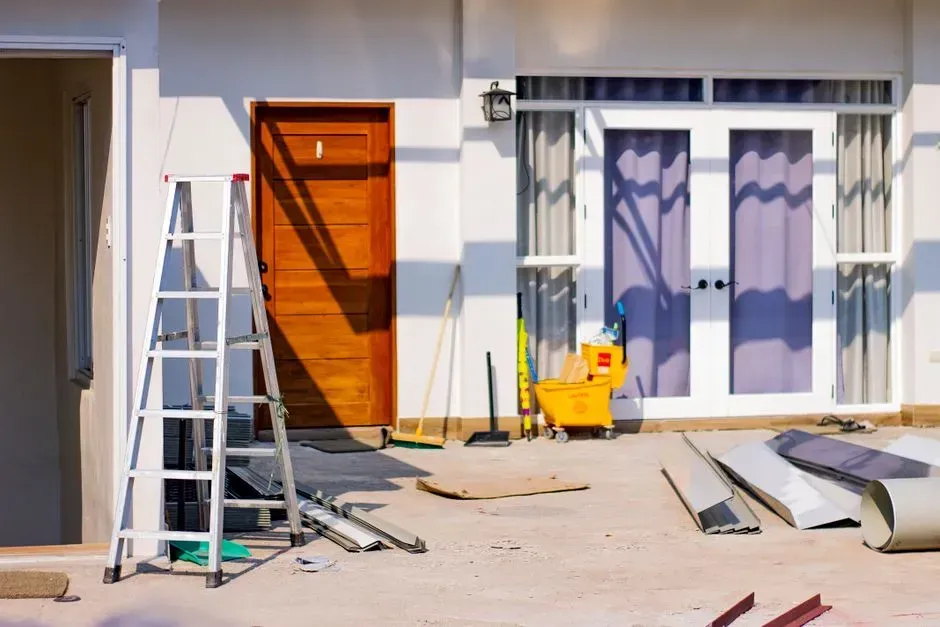
Painting a door, installing a fence, or adding solar panels might feel like normal homeowner decisions, but in most HOAs these changes require prior architectural approval. New residents unfamiliar with the process sometimes make these updates within their first weeks, assuming ordinary home improvement rules apply. Presidents often catch this quickly because approved changes are usually documented, so anything unfamiliar stands out.
This category tends to generate more friction than others because reversing the work is expensive and inconvenient. A homeowner who installs a new mailbox style, replaces siding, or adds outdoor lighting without submitting a request may be asked to remove or modify it, sometimes at real cost. Many boards report that exterior modification violations are among the most common disputes during a resident’s first year.
4. Vehicles that violate parking or visibility rules
4. Vehicles that violate parking or visibility rules (Image Credits: Pexels)
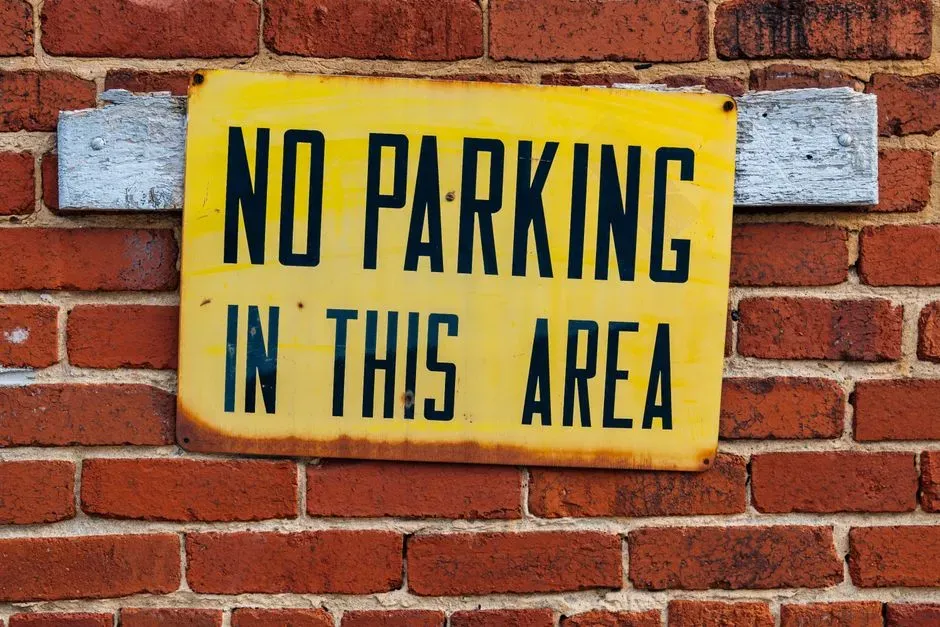
Extra cars are almost inevitable during a move, but HOAs often have specific parking restrictions that go beyond simple courtesy. Rules commonly limit the number of vehicles allowed per household, restrict street parking overnight, or prohibit commercial vehicles and RVs from being stored in driveways. New owners with multiple vehicles, work trucks, or boats sometimes discover these restrictions only after receiving a notice.
Board presidents frequently mention parking as one of the fastest-triggered violations simply because vehicles are so visible and easy to count. A driveway that suddenly has three cars instead of the previous owner’s one, or a work van parked overnight, tends to get noticed within the first week or two. In denser communities, this is often the most reported issue among all new-resident violations.
5. Trash cans or bins left out too long

5. Trash cans or bins left out too long (Image Credits: Pexels)
Trash bin placement seems like a minor detail, but it’s one of the most commonly cited violations across HOAs nationwide. Many communities require bins to be stored out of sight except on collection day, with specific windows for when they can be placed at the curb and when they must be brought back in. New residents adjusting to an unfamiliar pickup schedule often leave bins out longer than allowed, and this is easy for board members to spot during routine drives through the neighborhood.
Presidents often note that this violation is rarely intentional, but it’s also one of the quickest to escalate into a formal notice because it’s so visible and easy to document. A bin left at the curb an extra day, or stored beside a garage instead of behind a fence, can be enough to trigger the first official warning a new homeowner receives. Repeated bin violations are also commonly cited as an early indicator boards use to gauge how closely a new resident will follow community rules going forward.
6. Unregistered pets or pets that violate breed or size rules

6. Unregistered pets or pets that violate breed or size rules (Image Credits: Pexels)
Pet policies are another area where new homeowners frequently run into trouble without realizing it. Many HOAs require pet registration, cap the number of animals allowed per household, and in some cases restrict specific breeds or weight limits. A new resident walking an unregistered dog, or one that exceeds a size restriction, is often noticed quickly simply because neighbors and board members are paying attention during the transition period.
This issue tends to surface fast because pets are outdoors and visible daily, unlike interior violations that might go unnoticed for months. Presidents often say that pet-related notices are among the more sensitive violations to handle, since they involve personal attachment rather than just aesthetics or logistics. Still, boards are generally required to enforce these rules consistently, which means new owners are rarely given more leeway than long-term residents.
7. Late or missing HOA dues and paperwork

7. Late or missing HOA dues and paperwork (Image Credits: Pexels)
Financial red flags are often the least visible to neighbors but the most immediately obvious to the HOA president or treasurer. Missed dues, unpaid transfer fees, or unsubmitted paperwork during the closing process can flag a new homeowner’s file before they’ve even fully unpacked. Many HOAs require dues to begin immediately at closing, and a payment that arrives late, even by a few days, is typically logged and tracked closely.
Presidents frequently mention that financial compliance is one of the clearest indicators they watch during a resident’s first few months, since it reflects how organized and responsive a new owner is likely to be going forward. A missed payment isn’t usually treated as a major violation on its own, but a pattern of late or incomplete paperwork often shapes how quickly future issues get escalated. Because HOA budgets rely on consistent dues collection, boards tend to prioritize this over almost every other early red flag.
Understanding these patterns doesn’t mean new homeowners need to feel watched or judged. Most HOA rules exist to maintain consistency across a community, and boards typically extend some patience during a resident’s first few weeks. Reading the governing documents before move-in day remains the simplest way to avoid an unnecessary first impression with the board.