
For almost three years, I never missed a neighborhood meeting. I showed up with my coffee, took my usual seat near the back, and listened to the same handful of topics get debated month after month. Somewhere along the way, though, the habit started to feel less like civic duty and more like an obligation I couldn't quite justify anymore.
This isn't a rant against community involvement. It's more of an honest look at what changed, what the research says about why so many people quietly stop showing up, and why anyone thinking about walking away should probably pause before making it permanent.
The meeting that made me reconsider
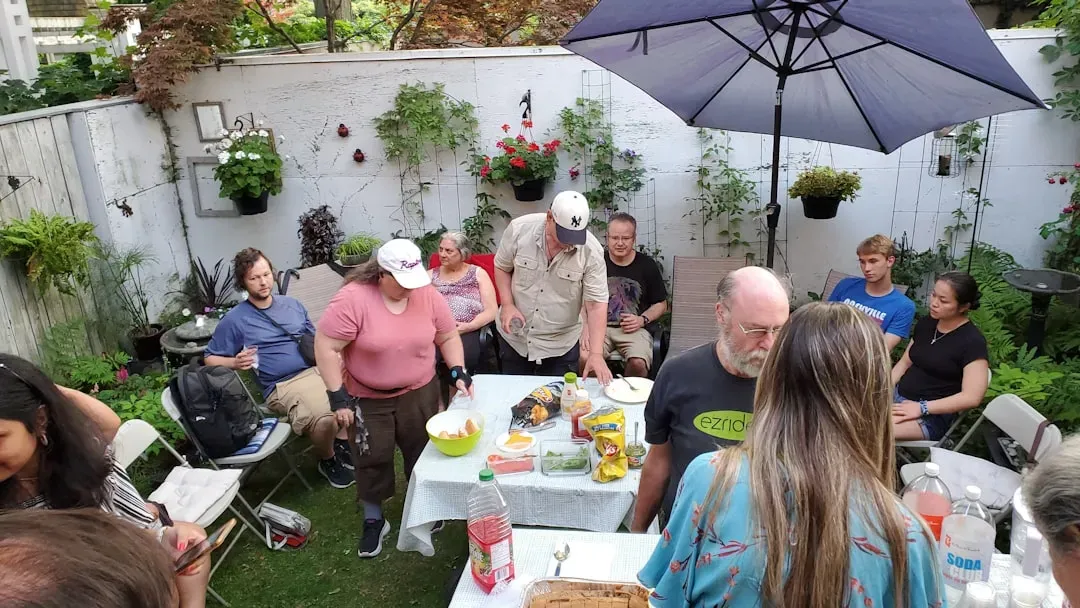
The meeting that made me reconsider (Image Credits: Unsplash)
It wasn’t one dramatic blowup that pushed me out the door. It was a slow accumulation of evenings that felt indistinguishable from one another, each one eating two hours I could have spent literally anywhere else. The tipping point came during a session about a landscaping contract that had already been discussed, tabled, and revisited three separate times.
Sitting there, I found myself doing the math on how many hours I’d sunk into meetings that produced no real outcome. That kind of quiet frustration, it turns out, is far more common than I realized at the time. It just rarely gets talked about openly until someone finally admits they’ve had enough.
The same faces, meeting after meeting
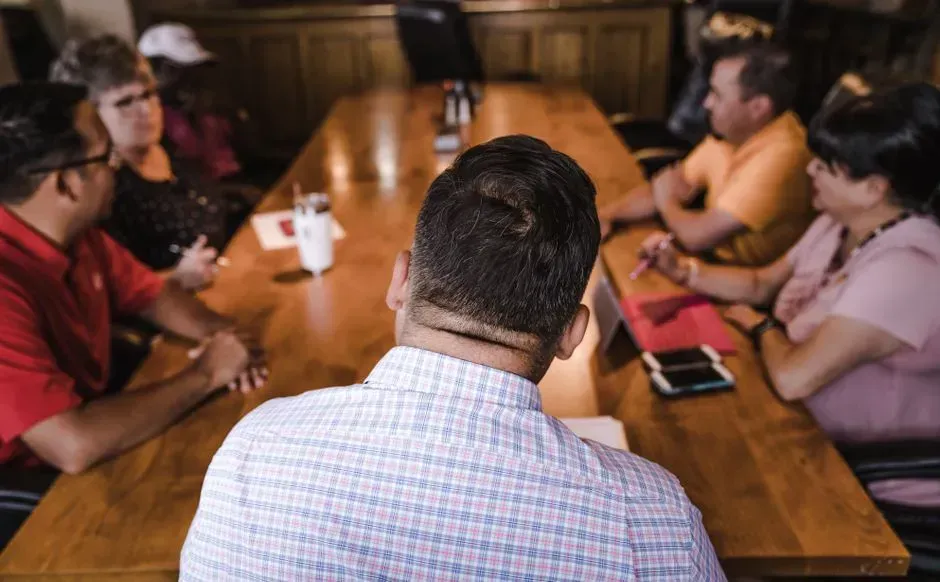
The same faces, meeting after meeting (Image Credits: Pexels)
One thing became obvious fast: the room never really changed. It was the same ten or fifteen people, month after month, while the rest of the neighborhood carried on without a second thought about what was being decided in that room.
Baby Boomers are more likely to attend HOA meetings regularly, while Millennials and Gen Xers tend to show less interest in them. That pattern matched exactly what I saw locally. It wasn’t apathy so much as competing priorities, work schedules, kids, and simply different habits around how people choose to spend their evenings.
Agendas that never seem to end

Agendas that never seem to end (Image Credits: Unsplash)
Meeting length was its own quiet problem. What was billed as a sixty-minute session routinely stretched past ninety, with procedural motions and old business eating up time that should have gone to actual decisions.
By the time the meeting reached anything that genuinely mattered to me, half the room had already checked out mentally, myself included some nights. There’s a real cost to that kind of inefficiency, and it compounds over time. Eventually the math stops making sense for a lot of people, not just me.
When neighbors turn into opponents
When neighbors turn into opponents (Image Credits: Unsplash)
Disagreements over parking, fences, or noise complaints have a strange way of curdling into something more personal. I watched neighbors who used to wave to each other in the driveway stop speaking entirely after a contentious vote over a shared fence line.
That kind of friction isn’t unique to any one community. It’s a familiar pattern in local governance research, where small disputes escalate because the format of a meeting rewards whoever speaks loudest rather than whoever has the better argument. Once that dynamic sets in, it tends to poison the room for everyone else who just wanted a quiet, functional discussion.
The shift toward virtual and hybrid formats

The shift toward virtual and hybrid formats (Image Credits: Gallery Image)
One genuine improvement over the past couple of years has been the move toward remote participation. The pandemic era introduced the world to the convenience and efficiency of remote meetings, and many HOAs are retaining virtual meetings for their accessibility and higher attendance rates. That shift changed my own calculus somewhat, since logging in from a kitchen table is a lower bar than driving to a clubhouse.
A blend of in-person and virtual meetings has become the norm, facilitated by platforms like Zoom and Microsoft Teams. Even so, hybrid formats don’t fix everything. The core issues, the long agendas and repetitive disputes, tend to follow the meeting online just as easily as they existed in person.
Decisions that feel already settled
Decisions that feel already settled (Image Credits: Unsplash)
More than once, I sat through a vote where the outcome felt predetermined before anyone in the audience had spoken. Side conversations between board members before the official start of the meeting had a way of shaping the result long before public comment ever opened.
That’s not necessarily corruption or bad faith. It’s often just the natural result of a small group of people who talk to each other regularly outside of formal sessions. Still, it leaves the rest of the room wondering why they bothered showing up if the conclusion was baked in beforehand.
What the research says about vanishing civic life
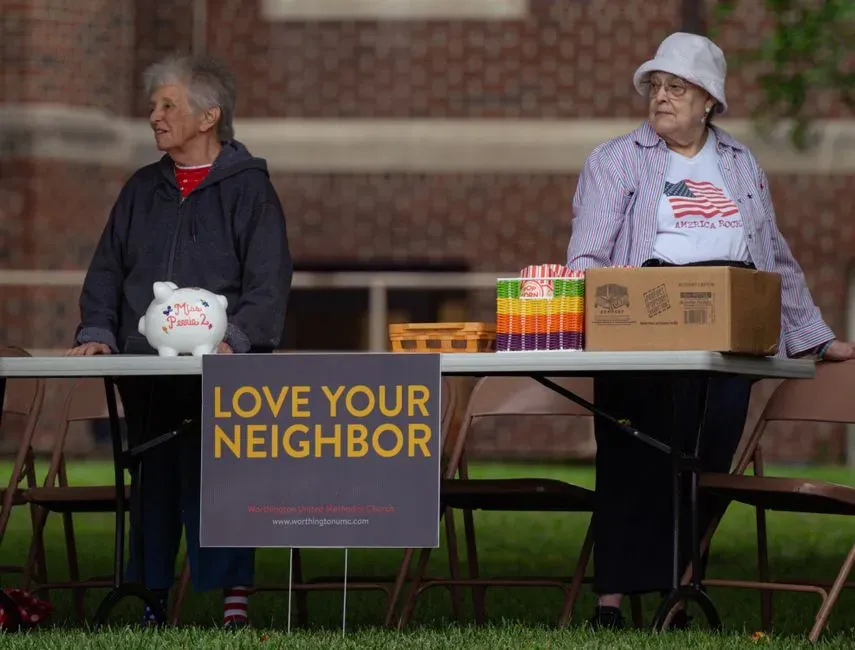
What the research says about vanishing civic life (Image Credits: Pexels)
My own experience turned out to fit a much larger national pattern. Membership records of diverse organizations, from the PTA and the Elks club to the League of Women Voters and labor unions, show that participation in many conventional voluntary associations has declined by roughly 25 percent to 50 percent over the last two to three decades. Attendance at local civic gatherings specifically hasn’t been spared either.
Surveys show sharp declines in many measures of collective political participation, including attending a meeting about town or school affairs, which fell by 39 percent between 1973 and 1993. Membership in major chapter-based civic organizations peaked around 1960 and then fell steadily for four decades afterward. My decision to stop showing up wasn’t really an outlier. It was one small data point inside a much longer, well-documented trend.
Who actually shows up, and who doesn't
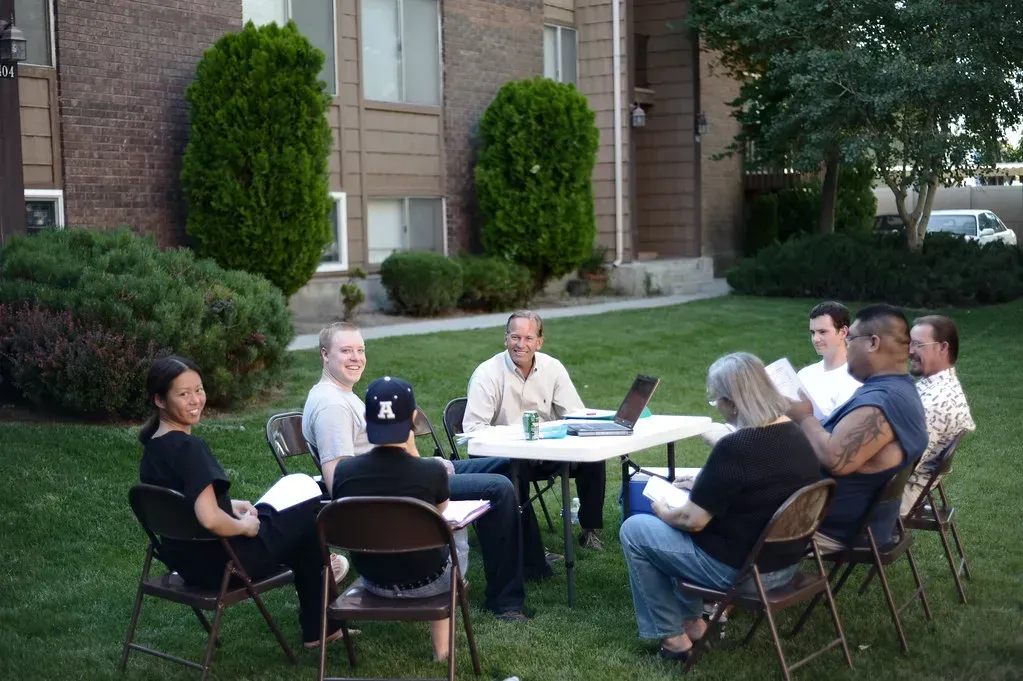
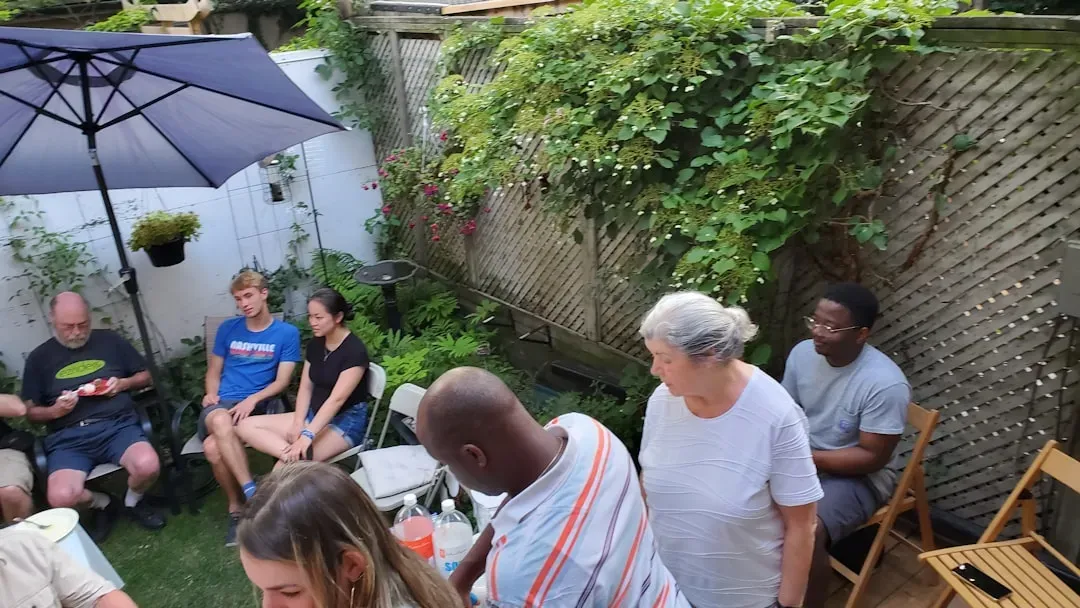
Who actually shows up, and who doesn't (nateOne, Flickr, <a href="https://creativecommons.org/licenses/by/2.0/" target="_blank" rel="noopener">CC BY 2.0</a>)
Generational differences in attendance aren’t just anecdotal. The most common reasons people give for attending HOA meetings include voting on key decisions, staying informed, and having a platform to voice concerns. Those are legitimate reasons, and they’re exactly why some neighbors keep showing up faithfully while others drift away.
Low levels of in-person interaction are associated with poor civic participation across multiple measures, which suggests the two feed each other in a loop. Fewer people show up, the room feels less representative, and that in turn makes it easier for the next person to justify skipping the next session too. It’s a quiet cycle, but it’s a real one, and I watched it play out firsthand.
Weighing it before you walk away
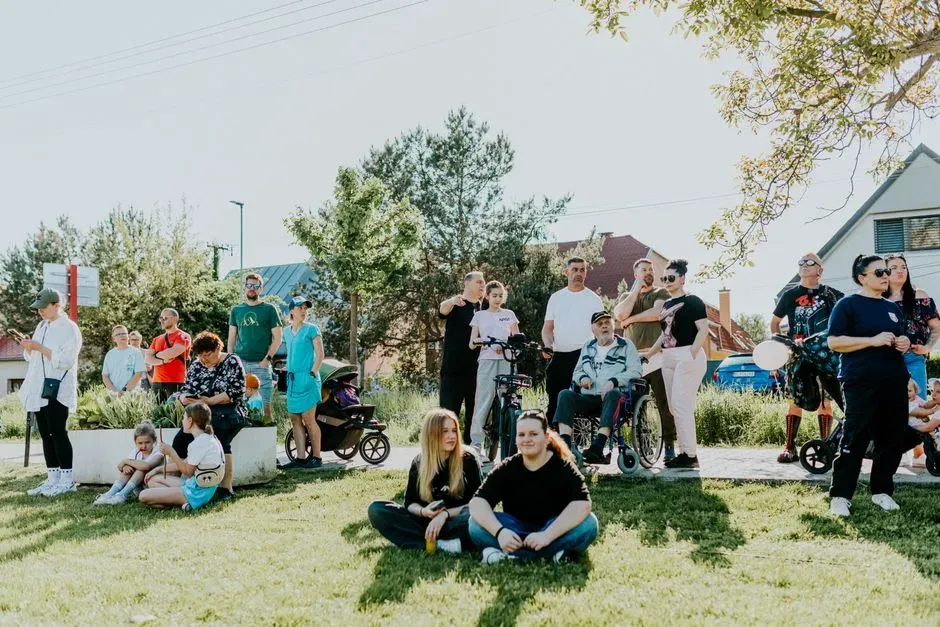
Weighing it before you walk away (Image Credits: Pexels)
None of this means neighborhood meetings are pointless or that stepping back is automatically the right call for everyone. Decisions about assessments, shared spaces, and local rules still get made in that room, whether or not you’re in it. Walking away means trusting other people to represent interests that might not perfectly align with your own.
What I’d say to anyone considering the same move is simple: know exactly what you’re giving up before you give it up. Read the minutes even if you skip the meetings. Stay on the email list. There’s a real difference between stepping back thoughtfully and disappearing entirely, and that difference tends to matter more than it seems in the moment.