
Most people assume they’re tired because they didn’t get enough sleep last night, or maybe they’ve been pushing too hard at work. But there’s a more specific, less obvious explanation that sleep doctors keep coming back to: it’s not just how much you sleep, it’s everything you do in the hours around it. Ordinary habits, repeated every single day, can accumulate into something that keeps your body stuck in a low-grade state of exhaustion.
The tricky part is that these habits rarely feel harmful. Scrolling a phone before bed, grabbing a late coffee, sleeping in on weekends – none of it sounds alarming. Yet the science tells a different story, and sleep medicine specialists have become increasingly specific about which everyday rituals are doing the most damage to your energy reserves.
Your Inconsistent Sleep Schedule Is Working Against You
Your Inconsistent Sleep Schedule Is Working Against You (Image Credits: Pexels)
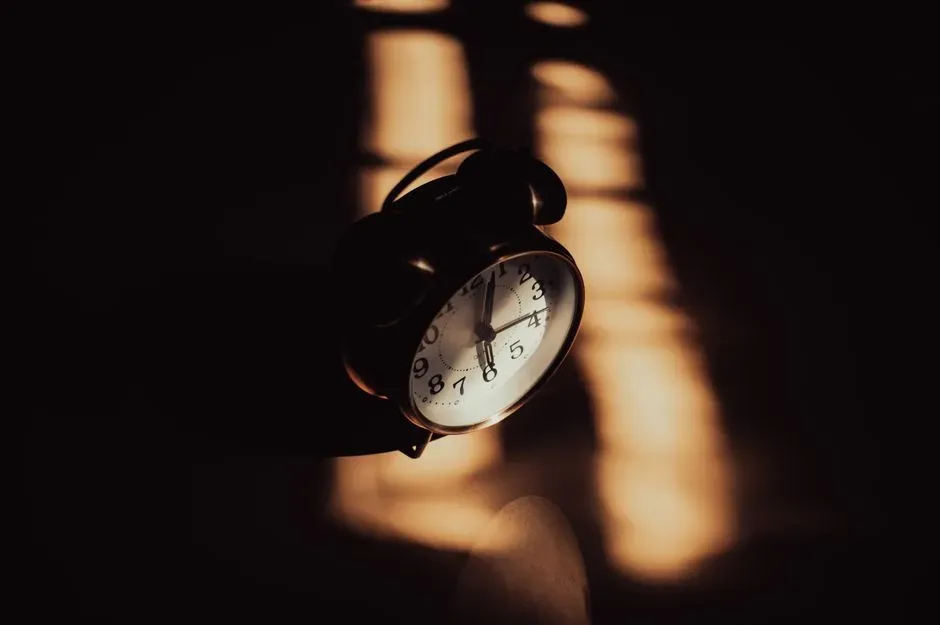
If your sleep schedule shifts constantly – sleeping at 11 PM one night and 2 AM the next – your body struggles to maintain a rhythm. Your internal clock, the circadian rhythm, depends on consistency more than total hours. When that rhythm is disrupted, energy levels become unpredictable.
A global study of over 88,000 adults revealed that poor sleep habits, like going to bed inconsistently or having disrupted circadian rhythms, are tied to dramatically higher risks for dozens of diseases. Scientists now say it's time to redefine "good sleep" to include regularity, not just duration, as biological mechanisms like inflammation may underlie these powerful sleep-disease links.
Reaching for Your Phone First Thing in the Morning
Reaching for Your Phone First Thing in the Morning (Image Credits: Unsplash)
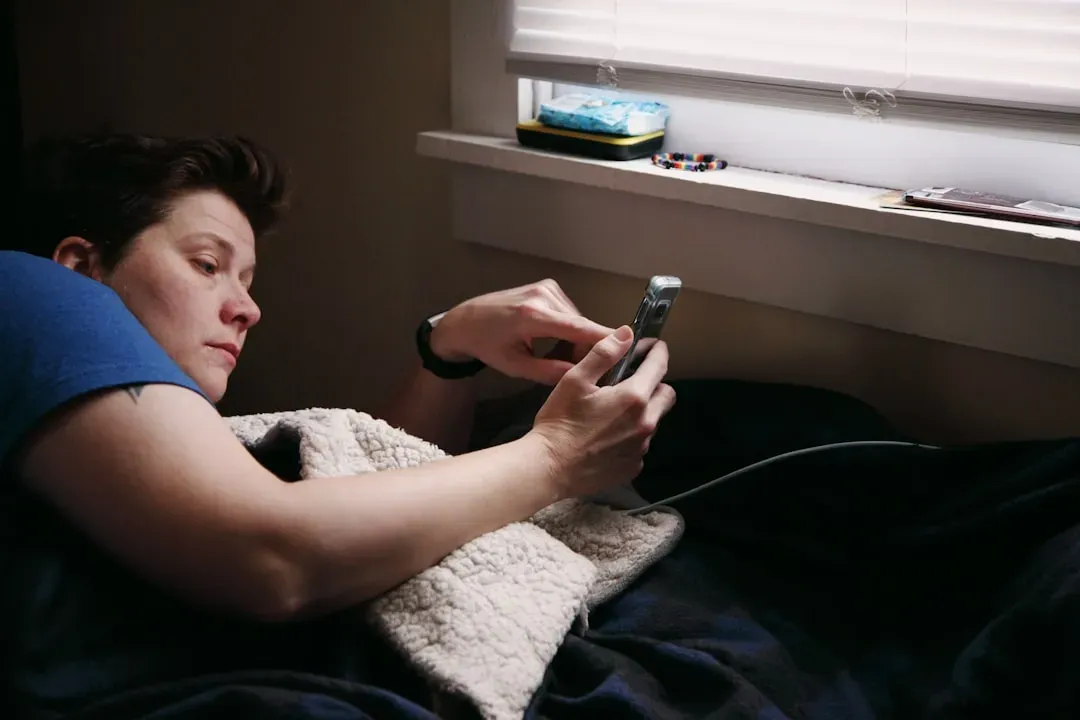
For many people, the day starts with a screen – notifications, messages, news, social media. It feels like a quick glance, but it actually floods your brain with information before you're fully awake. Your mind jumps straight into reacting.
Scrolling the phone right after waking up, skipping sunlight, eating while distracted, and working without real breaks – each one seems harmless on its own. Together, though, they slowly shape how your body and mind function all day. Over time, they build a constant level of tiredness that starts to feel like your new normal.
Screen Time at Night Is Disrupting More Than Just Melatonin

Screen Time at Night Is Disrupting More Than Just Melatonin (Image Credits: Pexels)
Evening exposure to blue light suppresses melatonin, delays circadian phase, and prolongs sleep onset latency, impairing sleep quality. Research demonstrates that blue light exposure between 9:00 PM and 10:30 PM significantly reduced total sleep duration compared to earlier exposure and control conditions, aligning with the concept of a "critical window" for melatonin suppression.
In a cross-sectional analysis of over 122,000 participants in the American Cancer Society Cancer Prevention Study, screen use was associated with decreased sleep duration and worse self-reported sleep quality, with these associations being more pronounced in participants with a later chronotype. The real issue may lie in engaging in stimulating activities before bed or excessive light exposure in general, rather than simply the blue spectrum.
That Afternoon Coffee Is Costing You Sleep Tonight
That Afternoon Coffee Is Costing You Sleep Tonight (Image Credits: Unsplash)
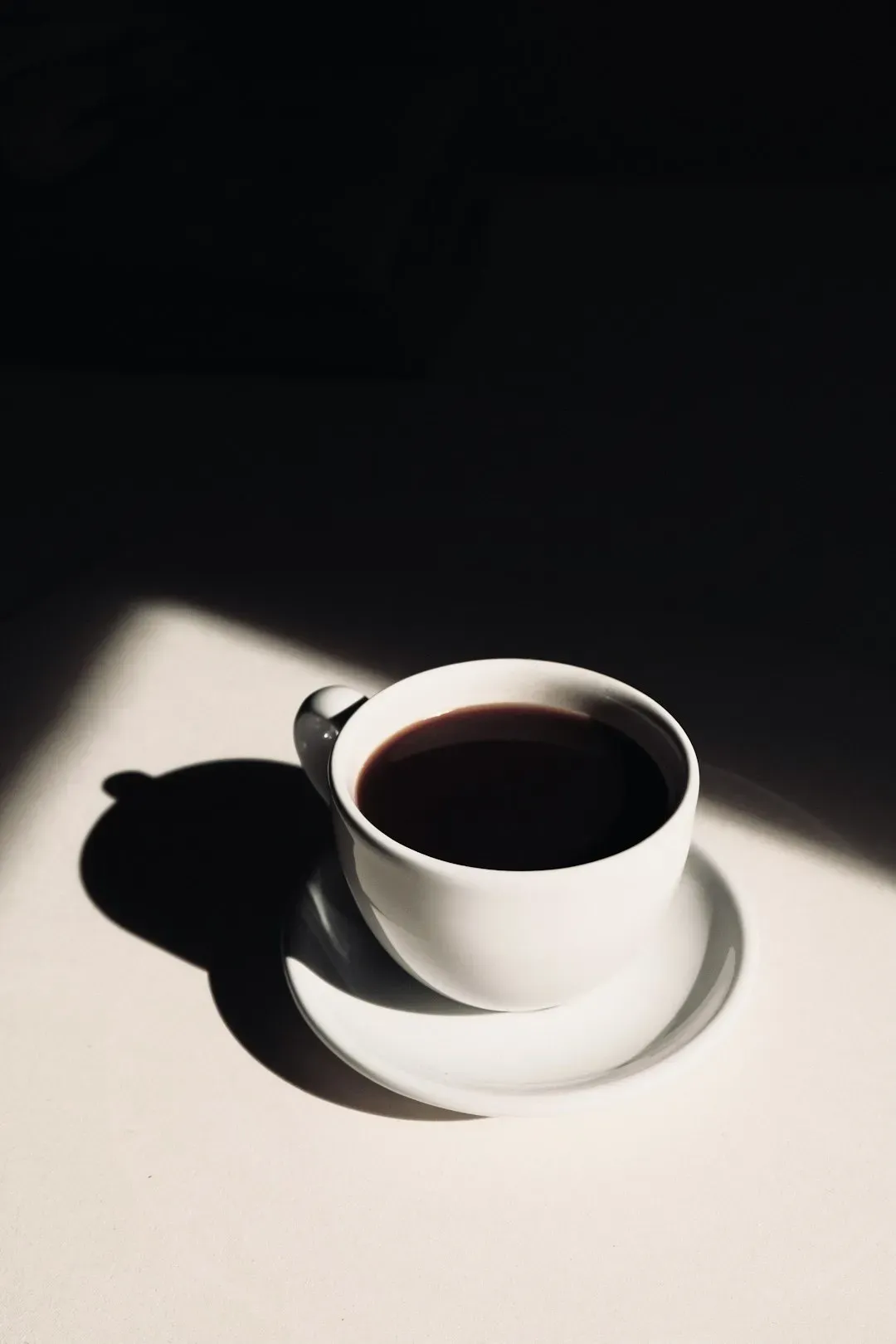
Coffee, colas, certain teas, and chocolate contain the stimulant caffeine, and its effects can take as long as 8 hours to wear off fully. A cup of coffee in the late afternoon can make it hard for you to fall asleep at night. Most people drastically underestimate how long caffeine lingers in the system, sipping that 3 PM cup without connecting it to the restlessness they feel at midnight.
This often leads to a vicious cycle of refueling with caffeine to make it through the day due to fatigue, which will undoubtedly impact the sleep cycle, contributing to and escalating fatigue and grogginess. Breaking this cycle is less about willpower and more about understanding that the tiredness driving the afternoon coffee is partly a consequence of the last one.
Alcohol Before Bed Is Borrowing Energy From Tomorrow
Alcohol Before Bed Is Borrowing Energy From Tomorrow (Image Credits: Unsplash)
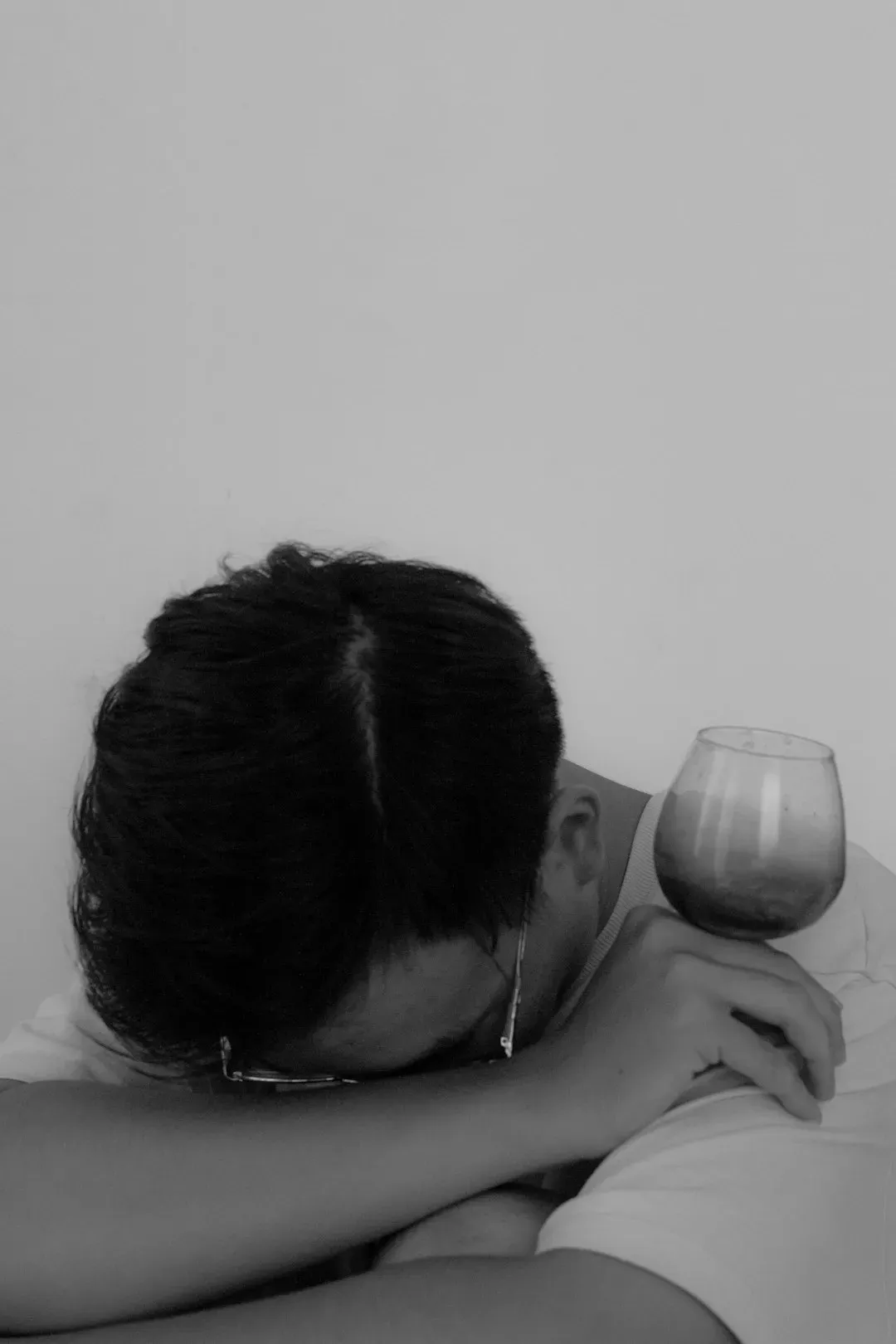
Alcohol has been shown to suppress REM sleep during your initial sleep cycles. It leads to increased wake time and disturbances interrupting subsequent sleep cycles, leaving you fatigued and unrested the next day. Many people interpret the sedative effect of a nightcap as proof that it helps them sleep, when in reality it fragments the second half of the night.
Avoiding large meals and alcohol before bedtime is a consistent recommendation from major health bodies including the CDC precisely because the body's attempt to metabolize alcohol during the night directly competes with restorative sleep architecture. The energy deficit shows up the next morning, regardless of how many hours you spent in bed.
Staying in Bed When You're Not Sleeping Is Undermining Your Rest

Staying in Bed When You're Not Sleeping Is Undermining Your Rest (Image Credits: Unsplash)
According to a 2025 survey from the American Academy of Sleep Medicine, more than half of U.S. adults have tried one of this year's viral social media trends related to sleep. "Bed rotting," defined as staying in bed for extended periods of time, is popular among Gen Z, with almost one-third of people in that age group claiming to have tried it.
The practice reflects a generational difference, with only 5% of U.S. adults 65 and over saying they have tried "bed rotting." Sleep doctors caution that the bed should remain strongly associated with sleep in the brain's conditioning. Turning the bedroom into a relaxing and calm oasis that is dark, cool, and quiet reinforces that mental link, whereas lounging in bed for hours doing other activities quietly chips away at it.
Skipping Morning Sunlight Is Keeping Your Body Half Asleep

Skipping Morning Sunlight Is Keeping Your Body Half Asleep (Image Credits: Unsplash)
Morning sunlight tells your brain that it's time to reduce melatonin production and boost alertness. Without sunlight, your body will remain in a sleepy state longer than necessary. Starting your day inside with artificial light will further delay this process.
Circadian rhythms are influenced by many internal and external factors, but exposure to the patterns of light and darkness has the greatest effect on them. The circadian rhythm is the reason most humans feel alert during daylight and tired at night. Getting even a brief window of outdoor exposure within an hour of waking can meaningfully shift how alert and energized you feel for the rest of the day.
Sleeping In on Weekends Creates "Social Jet Lag"
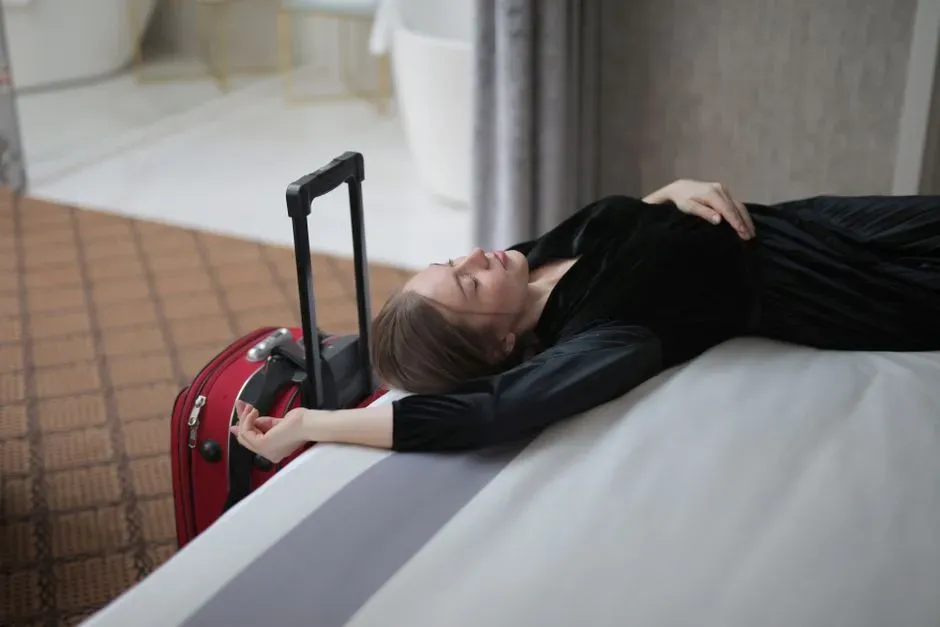
Sleeping In on Weekends Creates "Social Jet Lag" (Image Credits: Pexels)
As creatures of habit, people have a hard time adjusting to changes in sleep patterns. Sleeping later on weekends won't fully make up for a lack of sleep during the week and will make it harder to wake up early on Monday morning. Sleep doctors have a term for this pattern: social jet lag, and its effects on Monday morning energy are very real.
Social jet lag describes the misalignment between an individual's innate biological time and their socially imposed schedule, quantified by the discrepancy in sleep timing between work or school days and free days. It's estimated that roughly seven in ten people experience social jet lag of at least one hour, with nearly half experiencing two hours or more, making it a concern for public health.
Mental Overstimulation Throughout the Day Is Draining You Silently
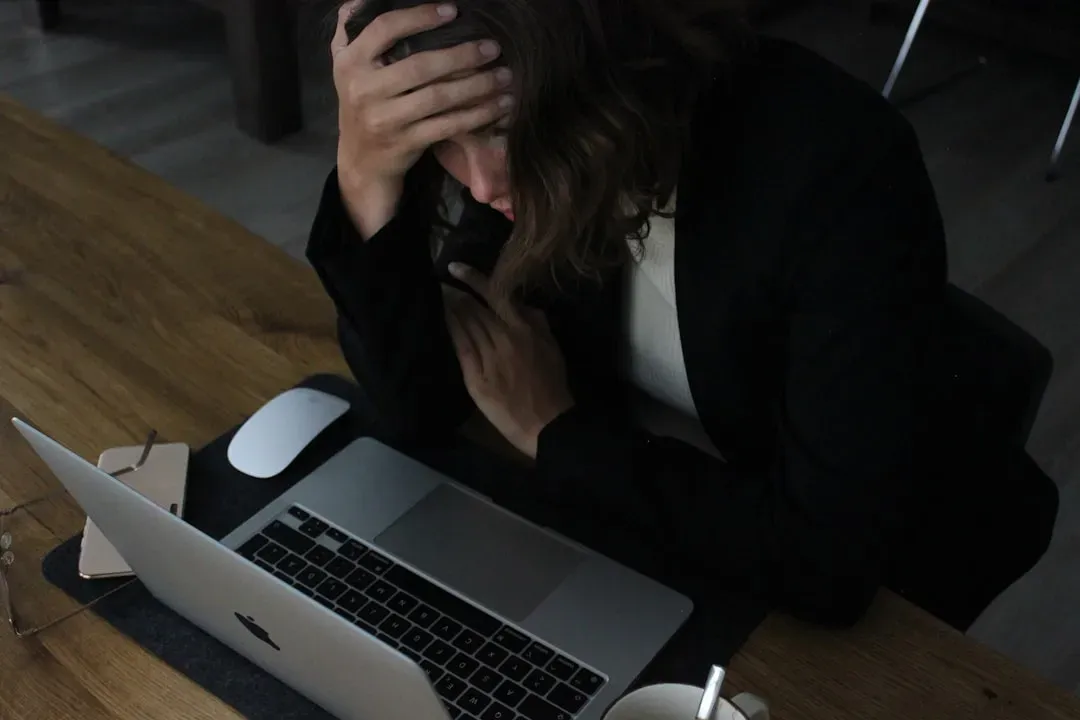
Mental Overstimulation Throughout the Day Is Draining You Silently (Image Credits: Unsplash)
In 2026, information is constant. Even when you're not working, your brain is still processing. This creates a state where your mind is always "on" but rarely resting. Over time, this leads to a specific kind of fatigue – not physical, but mental.
The sheer intensity and perpetual novelty of digital interfaces contribute to technostress, characterized by physiological hyperarousal, elevated cortisol, chronic low-grade inflammation, and psychological burnout. Sleep doctors increasingly point to this as a key reason people feel exhausted even when their sleep tracker shows a full eight hours. The nervous system never fully stood down during the day, so it arrives at bedtime already depleted.
Not Getting Enough Movement Is Making Your Sleep Shallow
Not Getting Enough Movement Is Making Your Sleep Shallow (Image Credits: Unsplash)
Getting your heart rate up regularly throughout the day is effective at increasing your energy. While interval training and intense workouts are great, even just walking daily, climbing stairs, or dancing around during commercial breaks can boost circulation and blood flow. This energizes your entire system and makes you feel lighter and more awake.
A concise summary of major sleep hygiene recommendations includes keeping consistent sleep and wake schedules, creating the right sleep environment, limiting screen time before sleeping, using a wind-down routine before bed, not consuming stimulants or large meals prior to sleeping, and habitual moderate-intensity exercise. Of all those factors, regular movement is consistently one of the most underused tools for improving both the depth of sleep and the quality of energy the following day. Chronic misalignment of circadian rhythms or a lack of routine to help entrain the internal clock can cause symptoms of low energy and grogginess – and regular physical activity is one of the most reliable ways to keep that clock running on time.