
There’s a particular kind of exhaustion that doesn’t announce itself loudly. It doesn’t show up as a dramatic breakdown or a crisis moment. It creeps in quietly, disguised as busyness, practicality, or just “getting through the week.” One day you realize you can’t remember the last time you did something just for yourself – not out of obligation, not to be more productive, but simply because it felt good.
This is the quiet quitting of self-care. Much like quiet quitting at work, where employees mentally disengage by doing only the tasks required without extra effort or emotional involvement, the same pattern can take hold in how we treat ourselves. We stop going above and beyond for our own wellbeing. We do the bare minimum – or less. Poor self-care represents a failure to prioritize one’s own physical and mental health, which can lead to feelings of exhaustion, irritability, and depression, and can also make it difficult to focus on work or personal relationships. Here are eight signs it may already be happening to you.
1. Your Sleep Has Become an Afterthought

1. Your Sleep Has Become an Afterthought (Image Credits: Pexels)
Sleep is usually one of the first things to go when life gets heavy. You tell yourself you'll catch up on the weekend, or that you function fine on six hours. As stress takes its toll, you start to neglect your self-care needs. Your sleep quality diminishes. Anxiety shows up more often, along with irritability, headaches, and fatigue.
The real danger is how gradually this shift happens. Lack of sleep can force someone already under stress beyond their emotional limits. What starts as simple exhaustion slowly spirals into burnout, panic attacks, or a complete emotional breakdown. Sleep is a basic psychological need, and without it, the mind and body cannot function properly. If you've stopped treating sleep as non-negotiable, that's worth paying close attention to.
2. You've Quietly Withdrawn from the People You Love
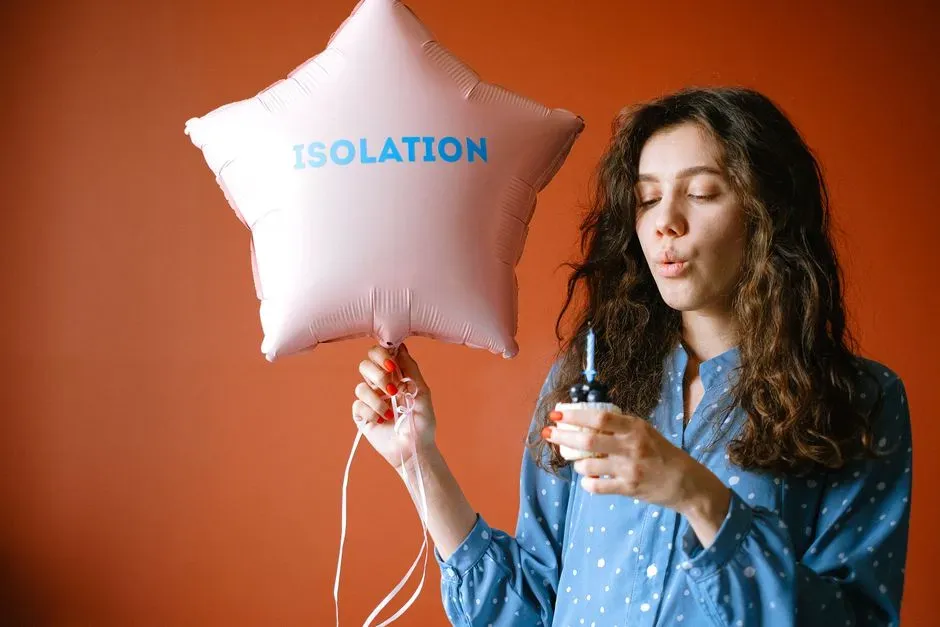
2. You've Quietly Withdrawn from the People You Love (Image Credits: Pexels)
Social withdrawal is one of the subtler signs of self-neglect, precisely because it can feel like a preference rather than a problem. You cancel plans, you stop reaching out, and you tell yourself you just need some quiet time. Increased isolation and withdrawal from social contacts and activities is a recognized sign that something deeper is off.
Without regular communication with close friends, colleagues, or at least small talk with strangers, people may start experiencing anxiety. They may overthink and expect the worst. This happens because the brain interprets a lack of social contact as a potential threat, heightening alertness and stress responses even in ordinary situations. Long isolation may lower dopamine activity, which can lead to low mood, emptiness, and loss of motivation. Withdrawing isn't rest – it's a signal.
3. You've Lost Interest in Things That Once Brought You Joy

3. You've Lost Interest in Things That Once Brought You Joy (Image Credits: Pexels)
Remember the hobby you used to make time for, no matter what? The playlist you'd put on just because it made you feel like yourself? When those things quietly disappear from your life, it's easy to rationalize the loss as simply growing up or getting busy. Loss of interest in activities previously enjoyed is a clinically recognized indicator that your wellbeing is declining.
Behavioral changes follow: apathy sets in and nothing matters. You avoid additional responsibilities. That indifference isn't laziness. It's often a sign that the nervous system is overwhelmed and has started protecting itself by flattening emotional responses. Joy doesn't disappear permanently, but it does require the right conditions to return – and that starts with noticing when it's gone.
4. You've Stopped Moving Your Body Consistently

4. You've Stopped Moving Your Body Consistently (Image Credits: Pexels)
Exercise is rarely the first priority when you're running on empty. Skipping a workout here and there is normal. Stopping entirely, though, often happens so gradually that you don't even notice the pattern has formed. Self-neglect can lead to a general reduction in attempts to maintain a healthy lifestyle, with increased inactivity.
Physical movement isn't just about fitness. It's one of the most effective tools for regulating mood, managing stress, and improving sleep quality. Exercise can improve your mood, and unwinding at the end of each day through movement or calming practices can meaningfully support recovery. When movement disappears from your routine, the effects compound quickly. The less you move, the harder it becomes to start again – which is exactly what makes this sign so easy to overlook.
5. You're Running on Guilt and Obligation, Not Genuine Choice

5. You're Running on Guilt and Obligation, Not Genuine Choice (Image Credits: Pexels)
One of the most telling signs of self-neglect isn't what you're not doing – it's why you're doing everything else. Guilt emerges as a significant barrier to self-care: the feeling that taking time for yourself means neglecting others. That guilt becomes the engine driving most decisions, and your own needs get quietly filed under "later."
Time constraints rank as the most common obstacle, with many people struggling to balance work, family, and personal needs. The result is a life that looks productive from the outside but feels hollow from within. When every decision you make is shaped by what others expect rather than what you actually need, you've effectively opted out of your own life. That's not selflessness – it's a slow form of disappearing.
6. Your Body Is Sending You Signals You Keep Ignoring

6. Your Body Is Sending You Signals You Keep Ignoring (Image Credits: Unsplash)
Headaches that linger a little too long. A stomach that seems constantly unsettled. Tension in your shoulders that never fully releases. Intrapersonal indicators of burnout and self-neglect include physical symptoms such as persistent fatigue, impaired concentration, poor sleep quality, and physical complaints. Your body rarely lies, even when your mind insists everything is fine.
At a deeper stage of burnout, you feel pessimistic about the future and you're neglecting your personal health – and that comes with physical problems like gastrointestinal issues and chronic headaches. Many people reach this point before they take the signals seriously. The pattern of dismissing physical discomfort as "just stress" is itself a form of self-abandonment, a quiet agreement to deprioritize the body's very clear requests for care.
7. Your Inner Dialogue Has Turned Consistently Negative
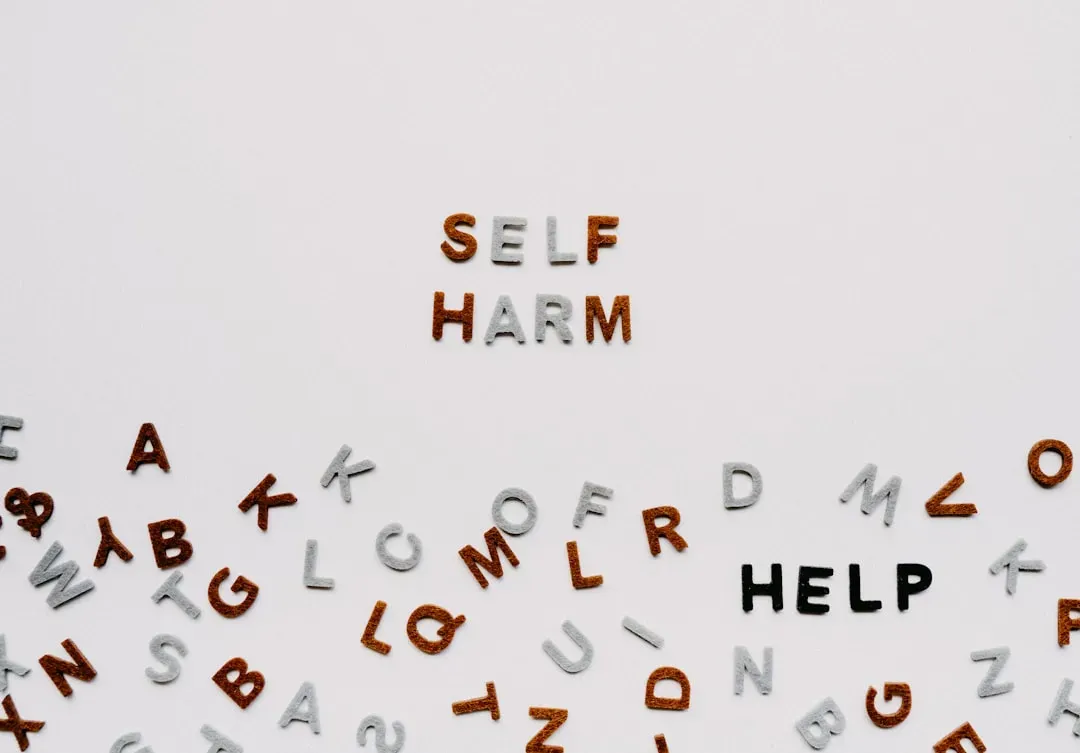
7. Your Inner Dialogue Has Turned Consistently Negative (Image Credits: Unsplash)
The way you talk to yourself matters more than most people acknowledge. When self-care erodes, the inner critic tends to get louder. Bitterness and cynicism creep in, and you begin to cut yourself off from others, becoming impatient, intolerant, and angry. Your performance suffers, and you feel physical discomfort.
The early, invisible stage of neglect is when you're still doing the work but feel emotionally disconnected, mentally foggy, and drained. That persistent fog isn't a personality flaw. It's often what happens when someone has gone a long time without genuinely tending to their own emotional world. Poor self-care can lead to feelings of exhaustion, irritability, and depression, and can make it difficult to focus on work or personal relationships. Recognizing that the inner narrative has shifted is often the clearest signal that something needs to change.
8. You've Normalized "Just Getting Through It"

8. You've Normalized "Just Getting Through It" (Image Credits: Unsplash)
Perhaps the most insidious sign of all is this one: surviving has become your standard. You're no longer asking what would feel good or meaningful. You're just asking what will get you to Friday. Every day is a bad day. Caring about your work or home life seems like a total waste of energy. You're exhausted all the time.
The journey to mental wellness begins with a simple yet powerful choice: deciding to prioritize yourself. As we face the unique challenges of the mid-2020s, understanding and implementing effective self-care strategies isn't just helpful – it's crucial for survival and growth. Normalizing permanent exhaustion isn't resilience. It's a quiet agreement to settle for far less than you deserve. The moment you notice you've stopped expecting more from your own life is exactly the moment to start expecting it again.
Recognizing these signs is rarely comfortable, but it's genuinely useful. None of them signal failure. They signal that somewhere along the way, the balance shifted and you kept going anyway – which is understandable, even admirable, up to a point. The question worth sitting with isn't how you got here. It's what one small thing you might actually do for yourself today.