
Most parents have felt it: that moment of frustration or genuine concern when a child melts down, refuses to listen, or shuts down completely. The words that come out in those moments are often automatic, inherited from our own upbringing, and said with the best intentions. The problem is that some of the most common phrases in the parenting vocabulary are quietly doing harm in ways that don’t show up immediately.
A parent’s words have weight and can stay with a child longer than you might think. Child therapists who work with kids every day have a clearer view of how certain sentences land – and what to say instead. The shift isn’t about being perfectly gentle at all times. It’s about choosing language that actually works.
"Stop Crying" – The Phrase That Backfires Most Often

"Stop Crying" – The Phrase That Backfires Most Often (Image Credits: Pixabay)
Phrases like "stop crying" lack empathy and teach children to deny or repress their feelings, which is bad for long-term emotional development. Telling someone who is upset to "stop crying" is also likely to backfire, leading to an outburst. The instruction to suppress a feeling doesn't make the feeling go away. It simply removes the visible signal while the internal pressure keeps building.
This can cause children to suppress feelings of sadness, which can lead to them withholding other emotions and contribute to anxiety or mood problems down the road. The alternative therapists recommend is far simpler: acknowledge the emotion before trying to redirect it. Saying something like "I see you're really upset right now, and that's okay" gives the child permission to feel without shame.
"Because I Said So" – The Authority Trap

"Because I Said So" – The Authority Trap (Image Credits: Pexels)
"Because I said so" teaches compliance over understanding, discouraging curiosity and dialogue. Children who consistently receive this answer learn that their questions are unwelcome, not that the rule makes sense. Over time, that disconnect can erode the trust a child places in their parent as a reasonable, approachable figure.
It's important to validate a child's feelings and offer an age-appropriate explanation of why we are making the decisions we are making. You don't have to justify every parenting choice in depth. A brief, honest reason – "I need you in bed because your body needs sleep to grow" – honors the child's intelligence and keeps the relationship grounded. If your child continues to press after you've explained, set a boundary and tell them the topic is closed.
"You're Fine" – When Reassurance Dismisses

"You're Fine" – When Reassurance Dismisses (Image Credits: Pexels)
It's one of the most reflexive things a parent can say after a fall or a disappointment. The intent is comfort, but the effect is often the opposite. Telling a child "you're fine" when they clearly don't feel fine sends a subtle but powerful message: your experience doesn't match reality, and you shouldn't trust your own feelings.
Research in child development consistently shows that children whose parents validate feelings, explain decisions, and encourage expression tend to have higher emotional intelligence, stronger social skills, and more resilience. Therapists suggest replacing "you're fine" with something that names the child's actual state first – "That looked like it really hurt. Let me take a look" – before moving toward reassurance. The order matters enormously.
"Use Your Words" – A Command That Often Fails Young Children
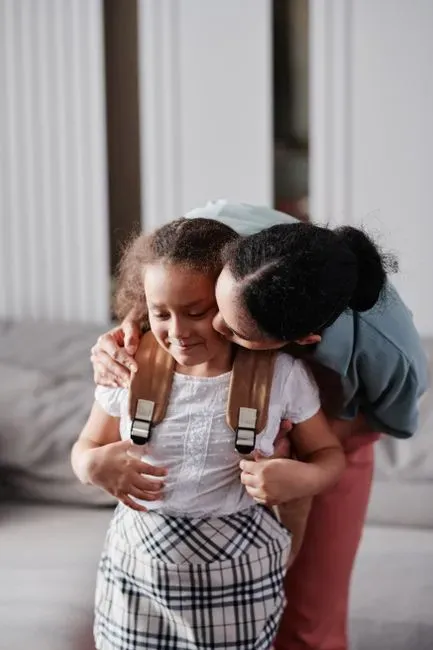
"Use Your Words" – A Command That Often Fails Young Children (Image Credits: Pexels)
This one is surprising as it is such a common parenting phrase. Many parents believe that telling children to use their words helps their emotional intelligence. It turns out that's wrong. Children are sometimes reduced to whining and nonverbal behaviors because they can't access the right words for their feelings. They're not choosing silence or crying out of defiance. They simply don't have the vocabulary yet.
It's a parent's job to help them with that; this can be done by modeling the target behavior. Instead of issuing the instruction, offer the words yourself: "It seems like you might be feeling frustrated because your tower fell down. Is that it?" When you hand children the language, they gradually internalize it. The act of labeling emotions has a soothing effect on the nervous system.
The Science Behind Why Words Matter This Much
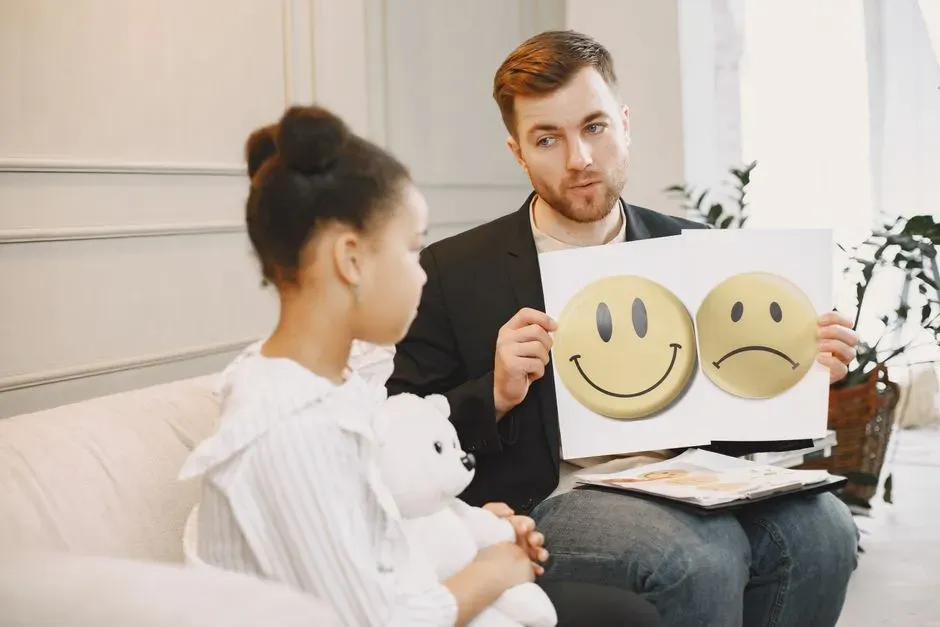
The Science Behind Why Words Matter This Much (Image Credits: Pexels)
John Gottman's emotion coaching is a research-based parenting approach that helps children understand and manage their emotions effectively. Rather than dismissing or disapproving of children's feelings, this method teaches parents to validate emotions while guiding appropriate behavior. Gottman's work, developed over decades of research with hundreds of families, fundamentally reshaped how therapists think about parental language.
Gottman's research shows children of parents who emotion coach are physically healthier, do better in school, and get along better with friends. Researchers have also found that even more than IQ, a child's emotional awareness and ability to handle feelings will determine their success and happiness in all walks of life. These aren't minor lifestyle outcomes. They're foundational life skills, and they trace back to what parents say in ordinary, unremarkable moments.
"You're Making Me Sad" – When Blame Dresses Up as Honesty

"You're Making Me Sad" – When Blame Dresses Up as Honesty (Image Credits: Pixabay)
In psychology, the phrase "you're making me sad" – an attempt to make someone else responsible for your feelings – is known as "blame shifting." Rather than owning your feelings and modeling that for your children, you're putting the locus of control on the child and making them responsible for you. Not only is that unfair, it's too much for a child to handle.
Children who grow up believing they are responsible for their parent's emotional state often develop anxiety and a compulsive need to manage the moods of those around them. The more accurate alternative is an "I" statement that stays honest without burdening the child: "I feel sad when things get thrown in the house, because someone could get hurt." It shares the feeling without assigning fault for causing it.
The Generational Pull – Why These Phrases Keep Repeating
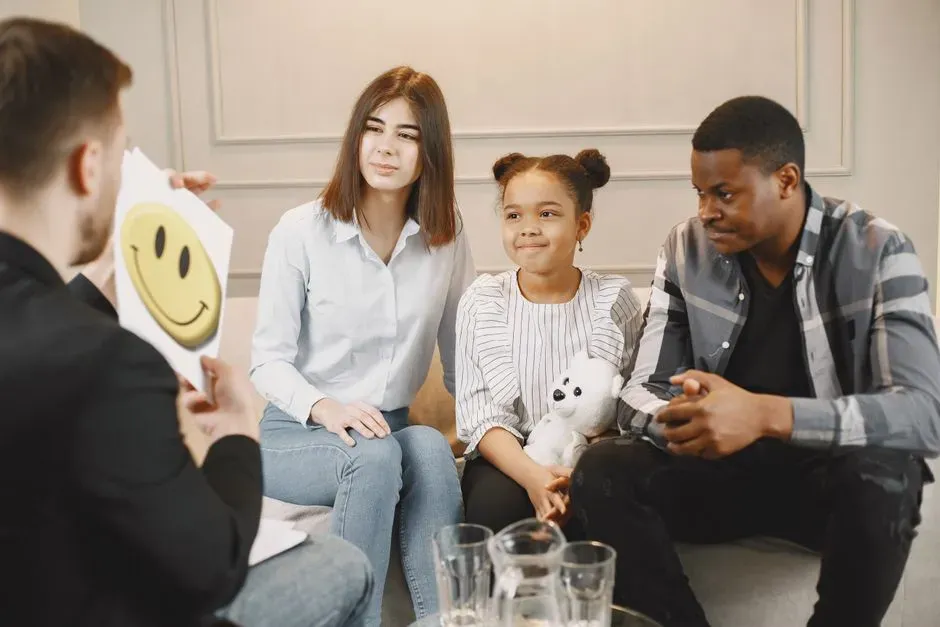
The Generational Pull – Why These Phrases Keep Repeating (Image Credits: Pexels)
These phrases often come from a place of stress or generational habit, not intentional cruelty – but the impact can be profound. Most parents who say "stop crying" or "because I said so" heard the same words growing up. The brain naturally reaches for familiar scripts when stressed, which is exactly when most parent-child conflicts arise.
By rejecting these phrases, parents aren't just being "nice" or trendy – they're actively breaking cycles that can perpetuate emotional suppression, low self-esteem, and strained parent-child relationships. Awareness is the first step. Many parents who work with child therapists report that naming these patterns – simply noticing when old scripts surface – creates enough pause to choose differently, even in difficult moments.
How Emotion Coaching Gives Parents a Practical Path Forward
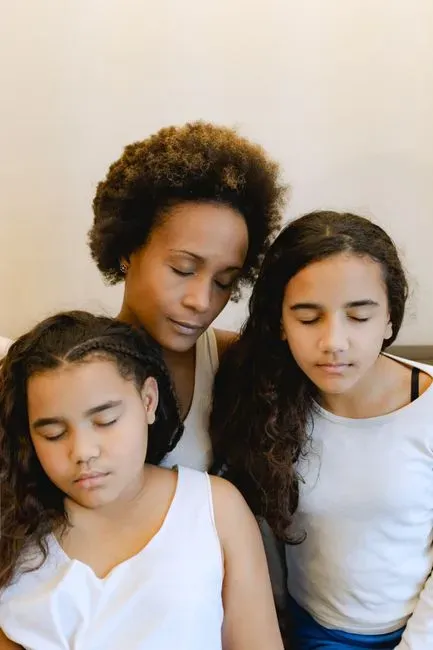
How Emotion Coaching Gives Parents a Practical Path Forward (Image Credits: Pexels)
Gottman's Five Steps of Emotion Coaching offer a clear framework: be aware of the child's emotion, recognize their expression of emotion as a moment for intimacy and teaching, listen with empathy and validate the child's feelings, help the child learn to label their emotions with words, and set limits when helping the child to solve problems. This isn't a script to memorize. It's a shift in orientation.
Social-emotional development in early childhood lays the groundwork for school readiness, healthy relationships, and long-term well-being. Parents play a pivotal role in this process, shaping children's emotional awareness, regulation, and social competence through everyday interactions. That means the small, daily corrections to how we speak to our children are not trivial. They are, in a real sense, the architecture of who those children become.
When Parenting Language Shapes a Child's Inner Voice

When Parenting Language Shapes a Child's Inner Voice (Image Credits: Pexels)
Consistent and responsive parenting fosters children's mental representations of the parent as a safe haven and secure base, and promotes effective, secure-base emotion regulation strategies when distressed. Over years, the sentences a child hears most often from their caregivers become the sentences they use to talk to themselves. A child told "stop overreacting" learns to second-guess their own feelings. A child told "that sounds really hard" learns to take their own inner life seriously.
Parenting isn't just about logistics or discipline – it's about connection. And connection begins with language. No parent gets it right every time. But the parents who course-correct, who try a different sentence the next day, are building something that therapy alone cannot replicate: a reliable, daily experience of being heard. That, more than any single phrase, is what children carry forward.