
There's a particular kind of exhaustion that comes from standing in front of a stove for ten hours straight, plating dish after dish for strangers, then walking into your own kitchen at midnight with nothing left in the tank. You'd think professional cooks would come home and whip up something elaborate out of habit. Mostly, they don't.
What actually happens is far more relatable than most people expect. Chefs reach for the same shortcuts, pantry staples, and half remembered childhood dishes that anyone else might, just with a slightly sharper instinct for what will taste good with minimal effort. Here's a look at what actually ends up on their plates when the last thing they want to do is cook.
Garlicky, cheesy pasta that takes ten minutes
Garlicky, cheesy pasta that takes ten minutes (Image Credits: Unsplash)
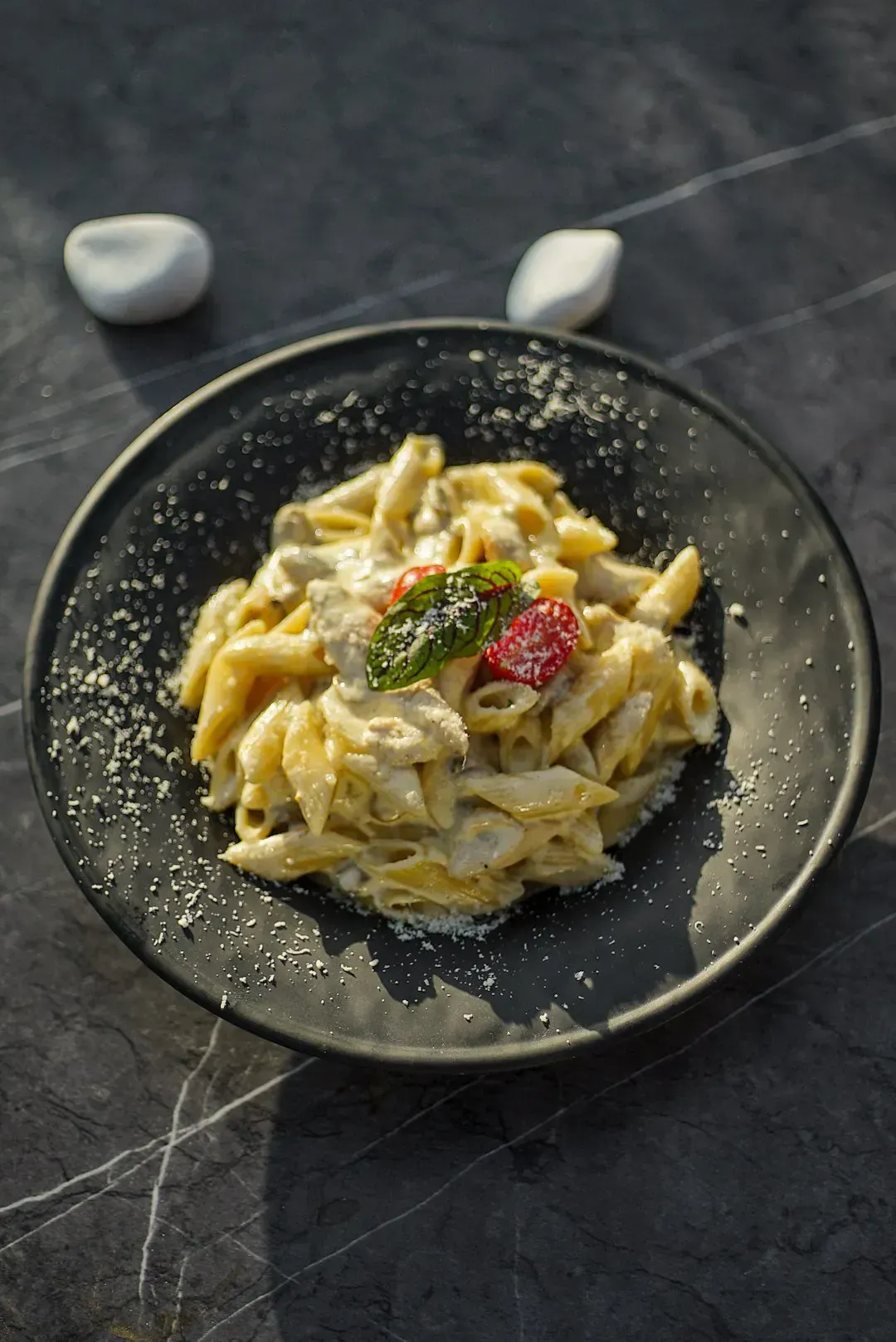
When energy is at zero but hunger is not, a lot of chefs land on the same category of dish: pasta loaded with garlic and cheese, made without measuring anything. Gaby Dalkin of What’s Gaby Cooking has said that for nights when she can’t be bothered to spend more than ten minutes in the kitchen, it’s all about a super garlicky, cheesy pasta. There’s no elaborate sauce, no reduction, just heat, fat, and starch doing the heavy lifting.
The appeal is obvious once you think about it. Pasta water, butter or olive oil, a fistful of parmesan, and whatever garlic is sitting on the counter can turn into something genuinely satisfying in the time it takes to boil water. It’s the kind of dish that requires almost no decision making, which is exactly the point on a night when decision making feels impossible.
Baked quesadillas with whatever is in the fridge
Baked quesadillas with whatever is in the fridge (Image Credits: Unsplash)
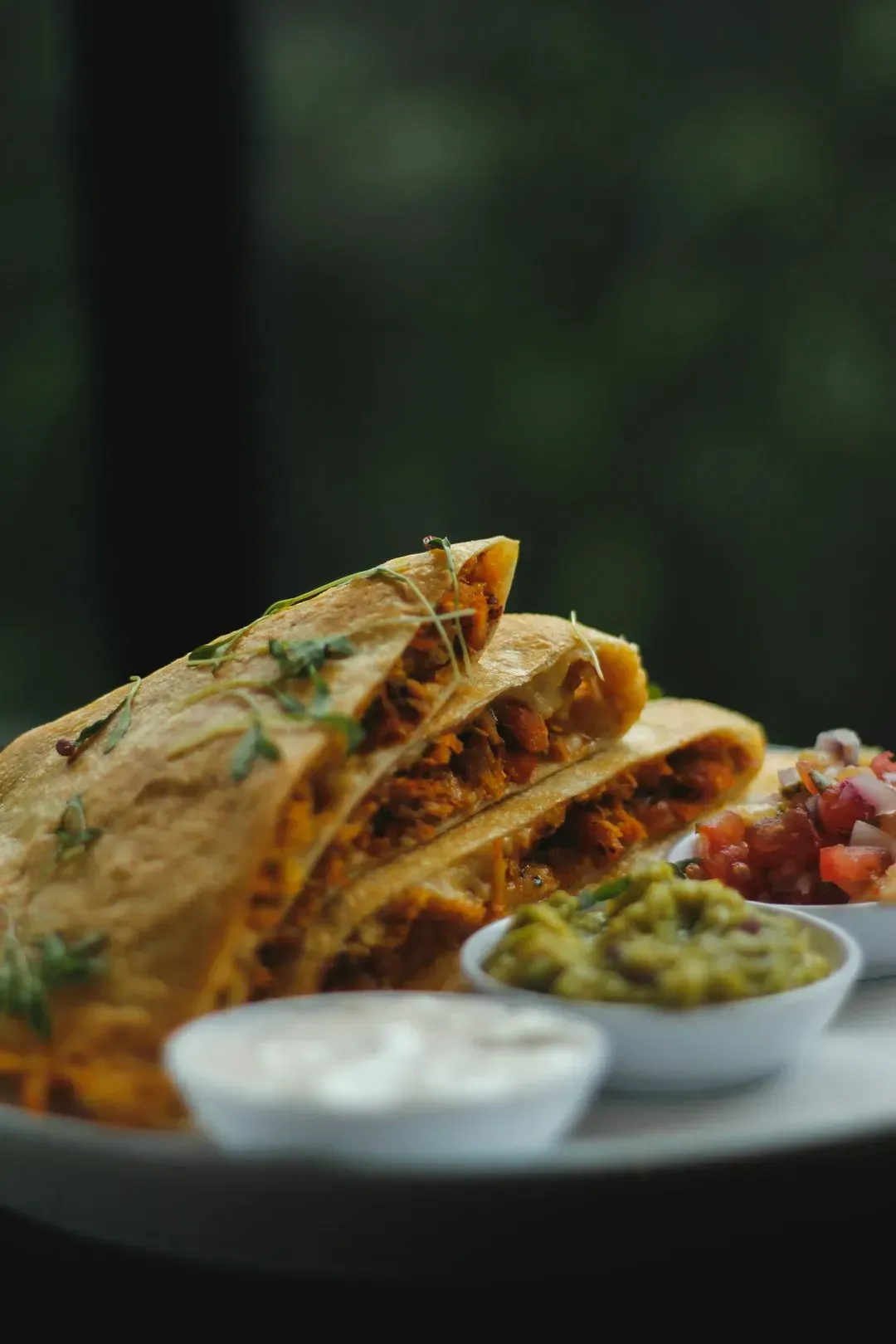
Quesadillas show up again and again in these tired-chef confessions, and it’s easy to see why. When takeout won’t do, The Modern Proper’s Holly Erickson turns to baked chicken quesadillas, loading tortillas with cooked chicken and cheese and popping them in the oven until they’re crispy outside and gooey inside. No skillet flipping, no standing over a pan, just an oven doing the work while you sit down.
This is a dish built almost entirely around what’s already on hand. Leftover rotisserie chicken, a bag of shredded cheese, tortillas that were headed toward the back of the fridge, all of it becomes dinner with barely any active cooking. It’s less a recipe than a system for using up what’s already there.
A grilled cheese with a little extra personality
A grilled cheese with a little extra personality (Image Credits: Unsplash)
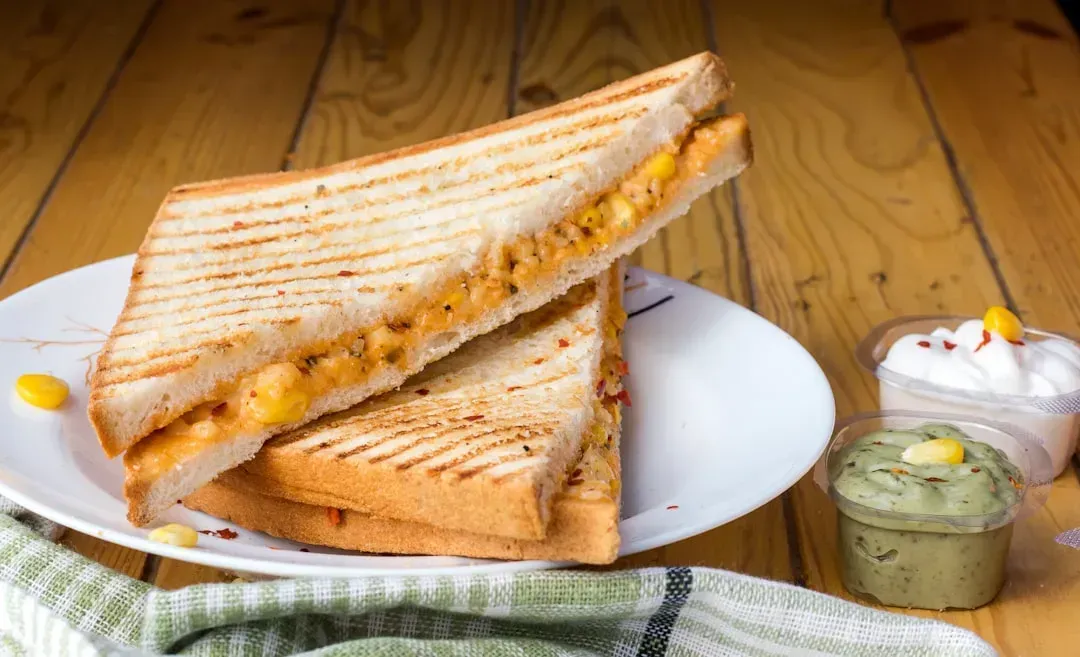
Grilled cheese sounds like a strange thing for a professional chef to crave, until you remember that simplicity is often the whole point after a demanding shift. Food Network star Maneet Chauhan relaxes after a long day in the kitchen with a toasty grilled cheese, elevated with spices like ginger, cumin, and masala. It’s a comfort food staple treated with just enough intention to feel like it belongs to her.
What makes this version work is that it doesn’t ask for much. A few extra spices stirred into softened butter before it hits the bread, and suddenly a sandwich most people learned to make as kids feels a little more considered. It’s proof that tired cooking doesn’t have to mean flavorless cooking, just low-effort cooking.
Hummus, warm pita, and whatever toppings are around
Hummus, warm pita, and whatever toppings are around (Image Credits: Unsplash)
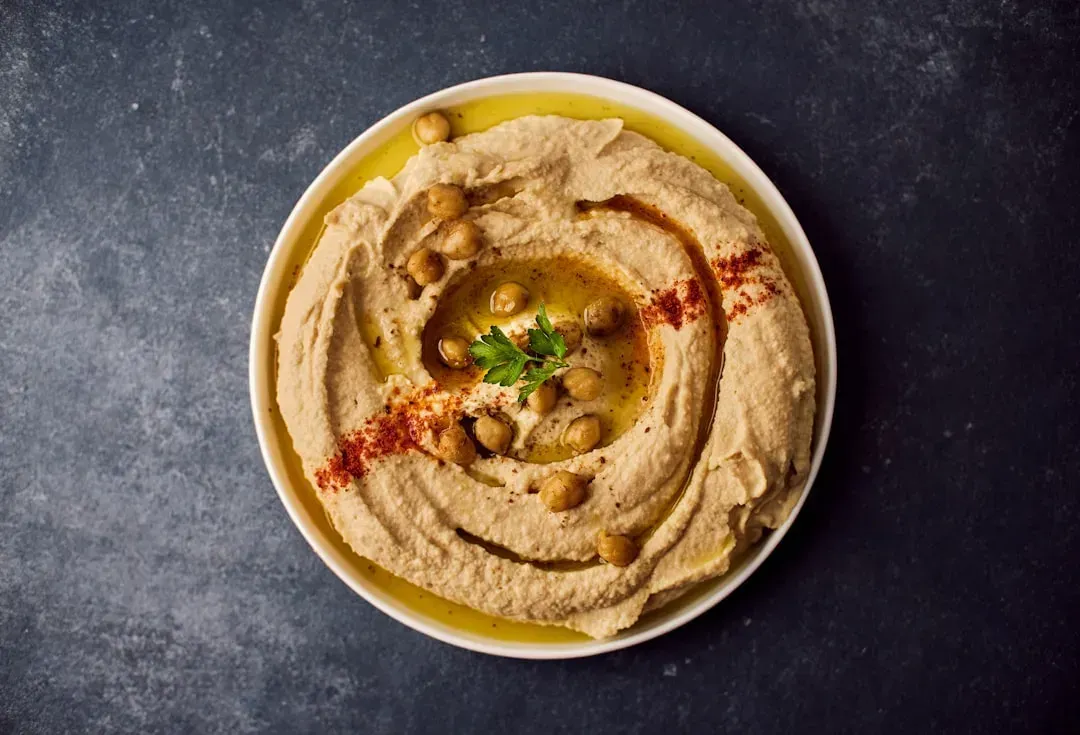
Some nights don’t call for cooking at all, just assembly. Noam Grossman, cofounder of Upside Pizza in New York, keeps quality fresh hummus in the fridge and, especially after a long night working in a slice shop, warms up pita to serve alongside it, mixing in extra virgin olive oil, Maldon salt, and paprika. That’s essentially the entire recipe.
The dish stretches further with whatever fresh vegetables, herbs, olives, or pickles happen to be around. Grossman suggests topping the protein rich hummus with fresh vegetables and herbs, along with olives and pickles for an added burst of flavor. It’s a meal that leans on good store-bought ingredients rather than technique, which is exactly the trade-off exhausted cooks tend to make.
A bacon and egg pasta that borrows from carbonara logic
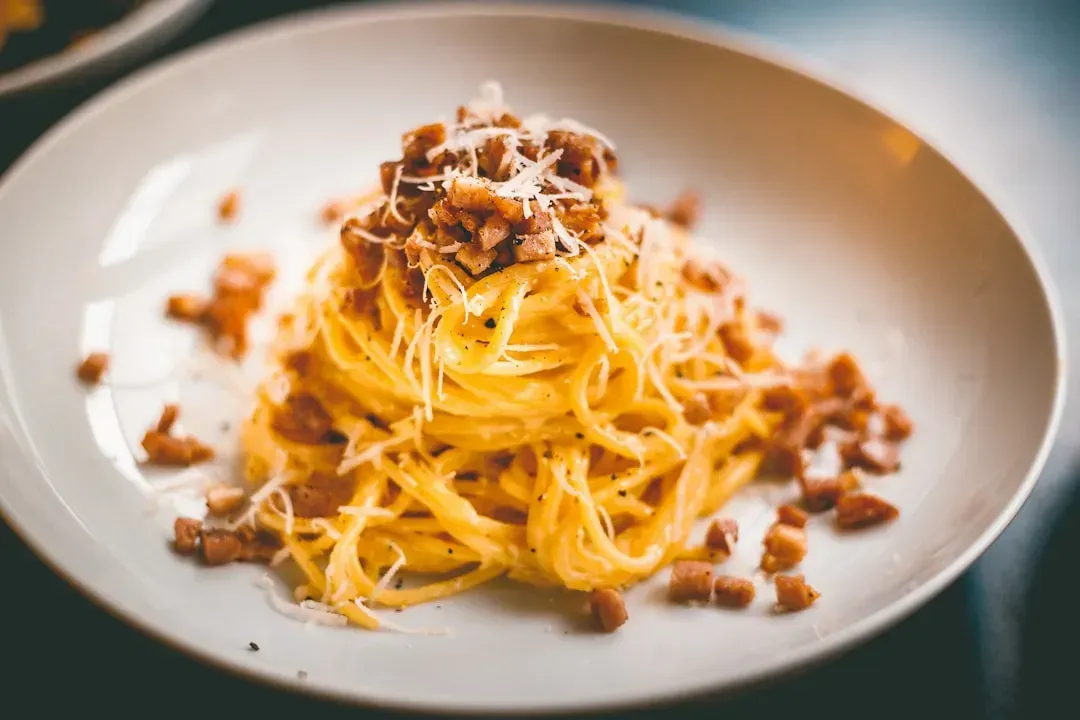
A bacon and egg pasta that borrows from carbonara logic (Image Credits: Unsplash)
There’s a well-worn version of this dish that circulates among home cooks and off-duty chefs alike, built around timing rather than difficulty. Bacon renders slowly in a pan while spaghetti boils, and a quick mixture of egg and grated cheese gets tossed through the hot noodles at the very end to form a light, glossy sauce. It’s essentially a shortcut carbonara, and it survives on kitchens everywhere because the ratio of effort to payoff is about as good as cooking gets.
Part of what makes this dish endure is how forgiving it is. A little extra pasta water smooths out a sauce that’s gone dry, and there’s no need for precision measuring or careful heat control. It’s the kind of dish someone can start almost on autopilot after a long shift and still end up with something worth eating.
Fried rice built entirely from leftovers
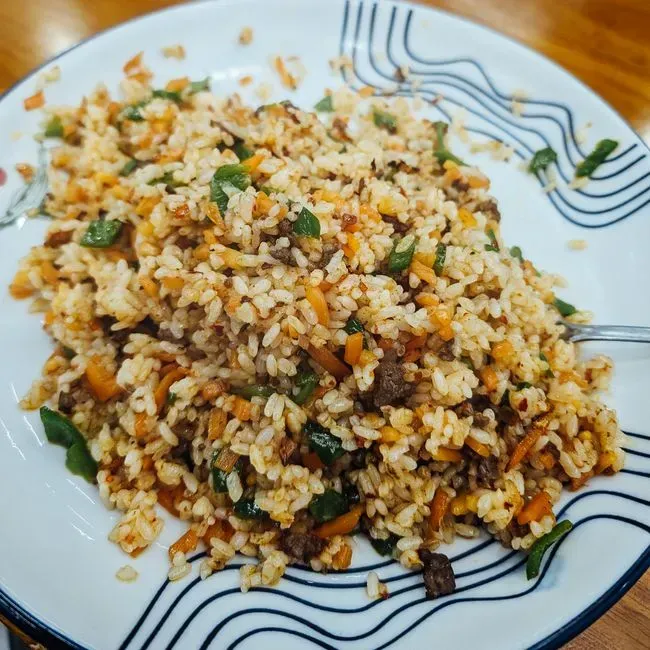
Fried rice built entirely from leftovers (Image Credits: Pexels)
Fried rice keeps coming up in conversations with chefs about exhausted-night cooking, and the reasoning is almost always the same. One chef described leaning toward a quick fried rice after a rough night, saying he almost always has kimchi, scallions, and lard or chicken fat kicking around the fridge and fills in the blanks from there. The dish essentially cleans out the fridge while producing something warm and filling.
There’s also a version built around bacon, eggs, and rice, finished with a splash of something spicy. One professional cook described bacon, eggs, and rice topped with sriracha and mushroom soy as easy to make, tasty, filling, and cheap, then piling everything onto a plate and garnishing with a few tablespoons of each. Fried rice rewards exactly the kind of improvisation that tired cooking demands.
Toasted broken spaghetti with beans and parmesan
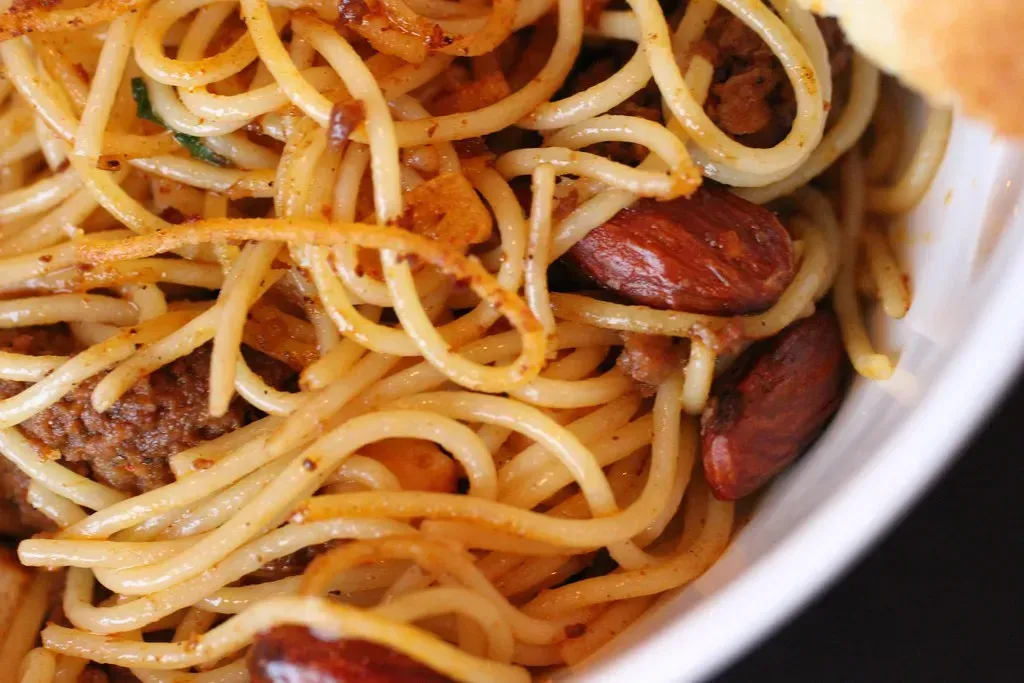
Toasted broken spaghetti with beans and parmesan (TheHungryDudes, Flickr, <a href="https://creativecommons.org/licenses/by/2.0/" target="_blank" rel="noopener">CC BY 2.0</a>)
Not every tired-night dish is a quick fix borrowed from another cuisine. Some chefs have built an entire go-to meal around a technique that sounds fussier than it actually is. One version, a spin on sopa seca, involves toasted broken spaghetti with black beans and parmesan, made at least once a week by the chef who created it. Breaking the noodles and toasting them in oil before adding broth changes the texture entirely, giving the finished dish a nutty depth that plain boiled pasta doesn’t have.
From there, it becomes flexible in a way that suits an empty tank. It becomes a choose-your-own-adventure with greens like spinach or chard, canned beans, or leftover cooked ground meat, finished with herbs, parmesan, and a spoonful of sour cream or labneh for a creamy, luxurious result. It’s the rare tired-night dish that actually tastes like it took more effort than it did.
Chicken thighs and rice, cooked in one pot
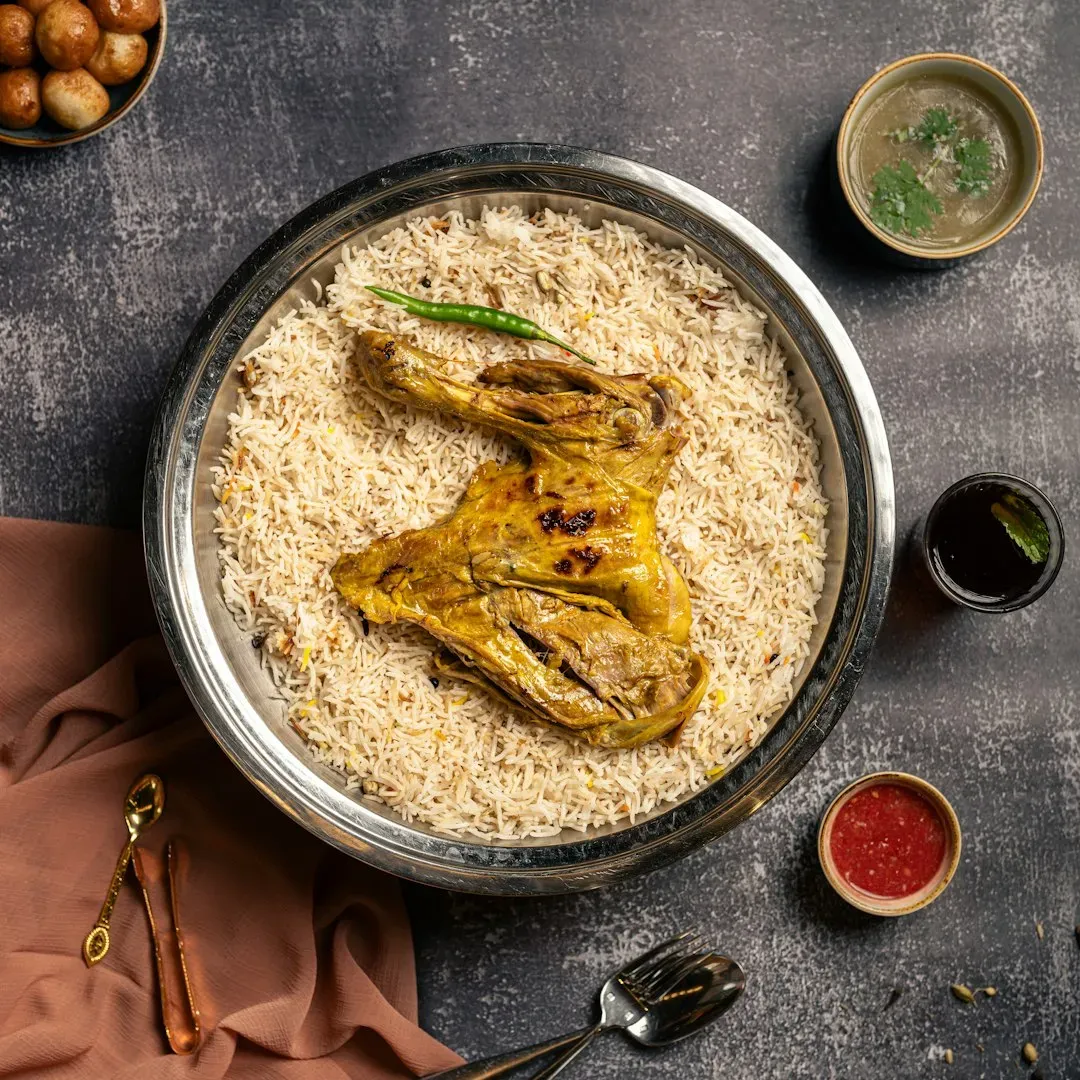
Chicken thighs and rice, cooked in one pot (Image Credits: Unsplash)
The Instant Pot shows up often in these conversations, mostly because it removes the need to stand and watch anything. Chicken thighs and rice in the Instant Pot has become a weeknight go-to for one corporate executive chef, who seasons the thighs generously with za’atar and places the rice on the bottom so the fat and juice drip down as it cooks, producing rice that tastes almost confit-like. Everything cooks together, which means dinner requires almost no supervision.
A simple side rounds it out without adding real work. A quick vegetable on the side pairs with a punchy sauce, whether that’s homemade fermented hot sauce, a simple chimichurri, or a store bought yuzu kosho for something bright and funky with zero effort. It’s a dish that looks considered but barely asks anything of the person making it.
Upgraded frozen meals, no shame involved
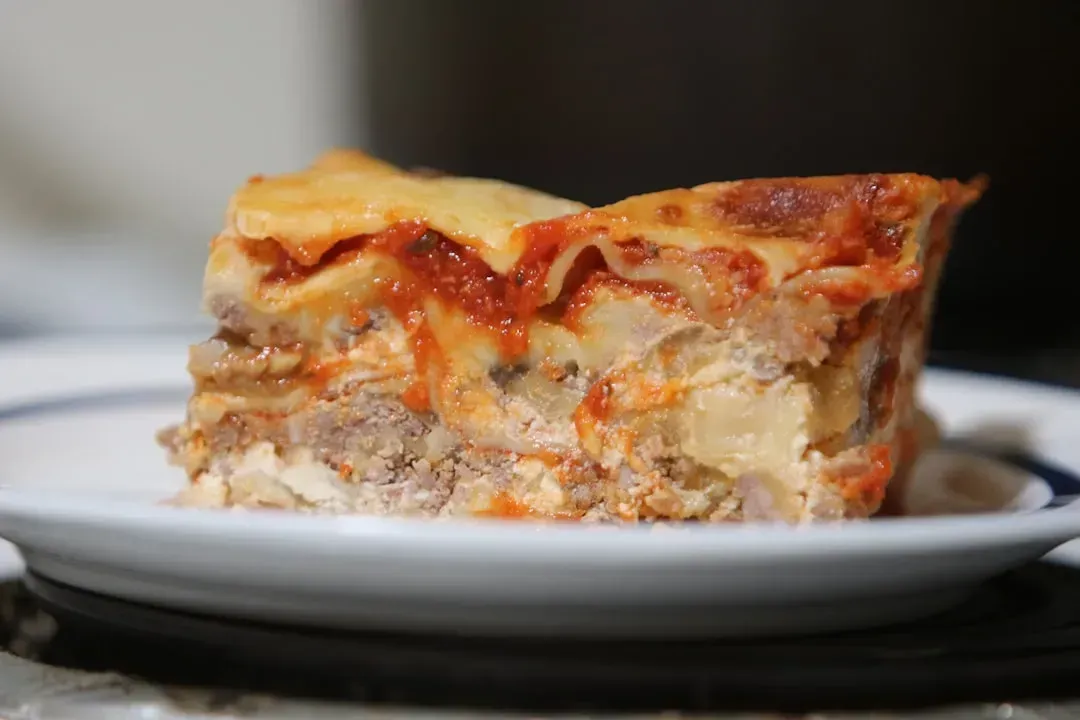
Upgraded frozen meals, no shame involved (Image Credits: Unsplash)
Perhaps the most surprising discovery is how many professional chefs keep a freezer stocked for genuinely tired nights. One award winning chef has said that while homemade is always best, there isn’t always time to make lasagna from scratch, so a jarred marinara brand layered with mozzarella, ricotta, ground beef, and sausage becomes the alternative, cooking in under five minutes in a microwave. That kind of practicality is common even among people who could, in theory, make anything from scratch.
Other frozen staples get similar treatment. Bean and cheese burritos filled with pinto beans, brown rice, vegetables, cheese, and a Mexican style sauce have become a favorite for one chef’s whole family, cooking in a microwave in just two minutes. The willingness to reach for the freezer aisle without embarrassment says a lot about how professional cooking and home cooking are treated as two entirely separate categories, even by the people who do both.
Tuna melts and other five-ingredient sandwiches
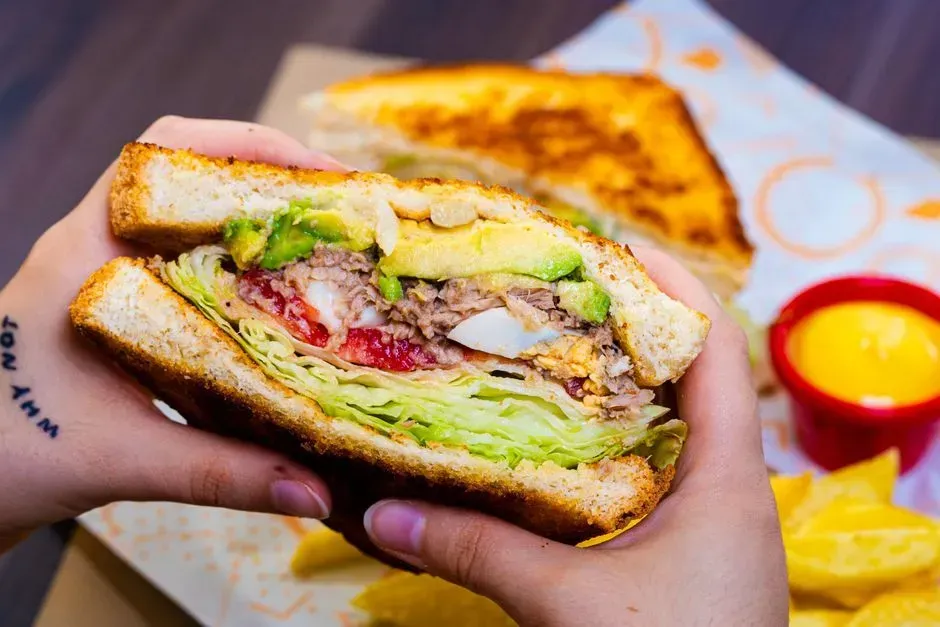
Tuna melts and other five-ingredient sandwiches (Image Credits: Pexels)
Sandwiches keep resurfacing as the default tired-night answer, largely because they need almost nothing to work. Tuna melts in particular seem to be having a moment among chefs who spend all day handling far more complicated ingredients, since the appeal lies precisely in how little thought a can of tuna, some cheese, and a slice of bread requires. It’s quick, it’s easy, and it doesn’t demand standing over a stove for longer than it takes to melt cheese under a broiler.
The pattern across almost every version of this dish is the same: minimal ingredients, minimal cleanup, and a result that still tastes like something worth eating. That combination, more than any specific ingredient, seems to define what chefs actually reach for when the last thing they want to do is cook.
The common thread
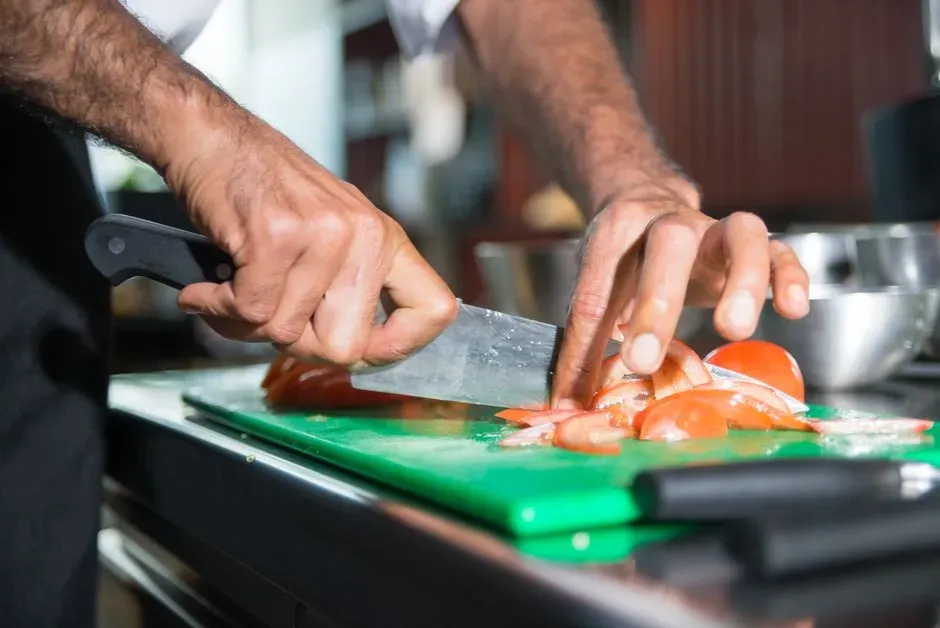
The common thread (Image Credits: Pexels)
Strip away the specific dishes and a pattern emerges. Tired chefs don’t reach for complexity, they reach for whatever requires the fewest decisions and the least standing around. Pasta, rice, sandwiches, and things that cook themselves in one pot or one oven tray show up again and again, regardless of the cuisine a chef specializes in professionally.
What’s most striking is the gap between the kitchen and home. People who spend their days building intricate, multi-component plates come home and reach for a can of beans or a bag of frozen burritos without hesitation. It’s a quiet reminder that even the most skilled cooks treat food at home as something meant to be simple, fast, and honest about what a long day actually leaves in the tank.