
There's a particular kind of worry that creeps up on adult children slowly. It doesn't arrive with a phone call or a fall. It arrives during a visit, when something about the house feels slightly off, though nothing dramatic has happened yet. Often it starts in a single room, one that used to be spotless and now just isn't.
Aging doesn't announce itself through a checklist. Instead, it shows up in small domestic details, corners left untouched, tasks quietly abandoned, spaces that once mattered less over time. Recognizing which rooms tend to slip first can help families notice changes early, before they become something more serious.
1. The bathroom
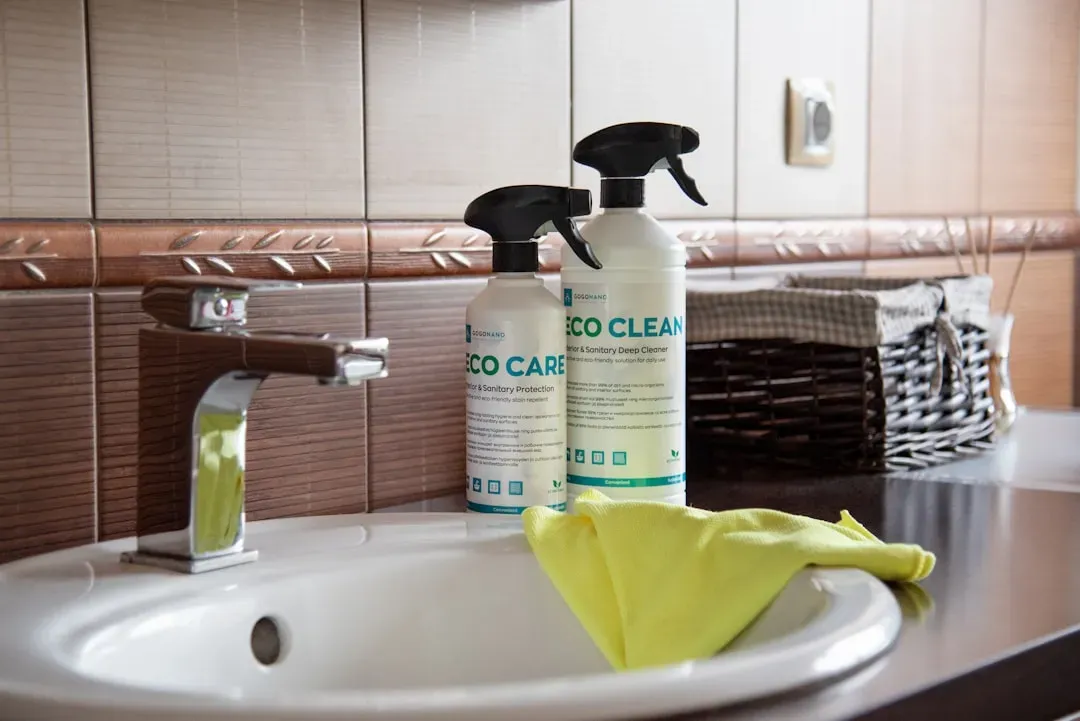
1. The bathroom (Image Credits: Unsplash)
The bathroom is often the first room to show signs of neglect, and it makes sense once you think about the physical demands involved. Scrubbing a tub, kneeling to clean around a toilet base, or reaching into a shower stall requires balance, flexibility, and strength that can diminish with age, especially for people managing arthritis or joint pain. Family members frequently notice soap scum buildup, grimy grout, or a general dullness that wasn't there a year earlier.
What makes this particularly worth watching is the safety angle layered on top of the hygiene one. A slippery, cluttered bathroom is already a fall risk for older adults, and falls remain a leading cause of injury for people over 65 according to public health data tracked by the Centers for Disease Control and Prevention. When cleaning slips here, it's rarely about laziness. It's frequently a signal that certain physical movements have become genuinely difficult or even painful.
2. The kitchen, especially the stove and oven
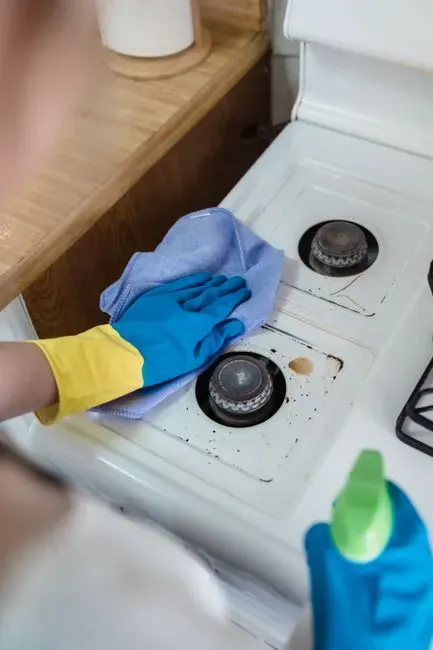
2. The kitchen, especially the stove and oven (Image Credits: Pexels)
Kitchens tend to hold onto grease and food splatter in ways that become obvious fast, particularly around stovetops and oven interiors. When an older parent stops wiping down burners or scrubbing baked on residue, it's sometimes tied to reduced stamina rather than simple oversight, since deep kitchen cleaning is physically taxing work. Bending to clean an oven, or standing for extended periods scrubbing pots, asks a lot of a body that tires more easily than it once did.
There's also a cognitive piece that shouldn't be dismissed too quickly. A stove that isn't being maintained can sometimes point to broader difficulty managing cooking tasks altogether, which matters because unattended cooking is a well documented fire hazard among seniors living independently. Noticing this shift early gives families a chance to ask gentle questions about meal preparation before it becomes a bigger safety concern.
3. Bedrooms that aren't used daily
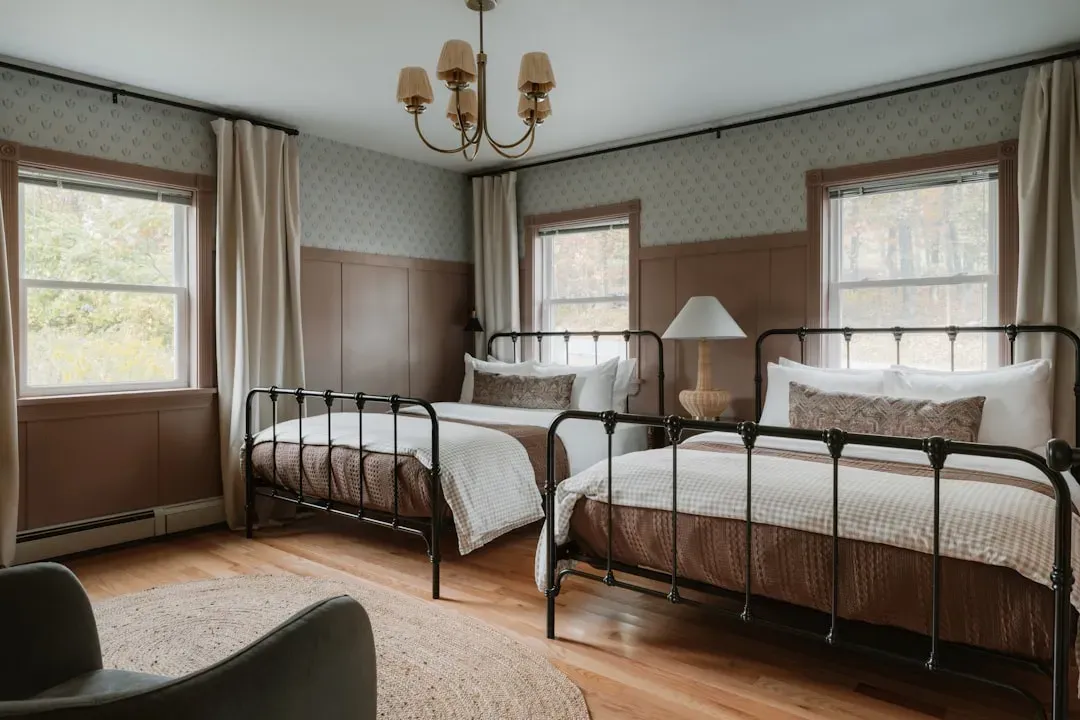
3. Bedrooms that aren't used daily (Image Credits: Unsplash)
Guest rooms, former children's bedrooms, or any space not used every day often become the quiet dumping grounds of a household as people age. Dust accumulates on furniture, closets go untouched for months, and clutter can slowly pile up without anyone really deciding to let it happen. This isn't usually about the room mattering less emotionally. It's more that daily energy and attention naturally narrow toward the spaces someone actually lives in.
Adult children sometimes discover this during a holiday visit, opening a door to a room that used to be immaculate and finding it dusty or disorganized instead. It's worth remembering that this kind of selective neglect is common and doesn't necessarily indicate a crisis. Still, it's a useful barometer for how a parent is managing the overall upkeep of a larger home, especially one that may have become more house than they can comfortably maintain alone.
4. Basements and attics
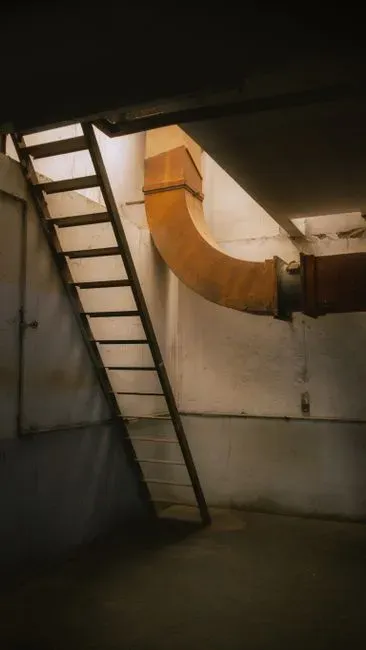
4. Basements and attics (Image Credits: Pexels)
Basements and attics ask the most of a person physically, between stairs, low clearances, and often poor lighting, which makes them an early casualty when mobility starts to change. These spaces frequently become storage areas that simply get closed off and forgotten, sometimes for years at a stretch. Dust, cobwebs, and general disuse pile up quietly because nobody is going down or up there often enough to notice or care.
The concern for families isn't really about tidiness in this case. It's about what might be lurking unnoticed, whether that's a slow water leak, pest activity, or simply hazardous clutter near stairs that could cause a fall if a parent does eventually attempt to navigate the space. Checking these areas during visits, even briefly, can catch small problems before they turn into expensive or dangerous ones.
5. Windows and window treatments
5. Windows and window treatments (Image Credits: Unsplash)
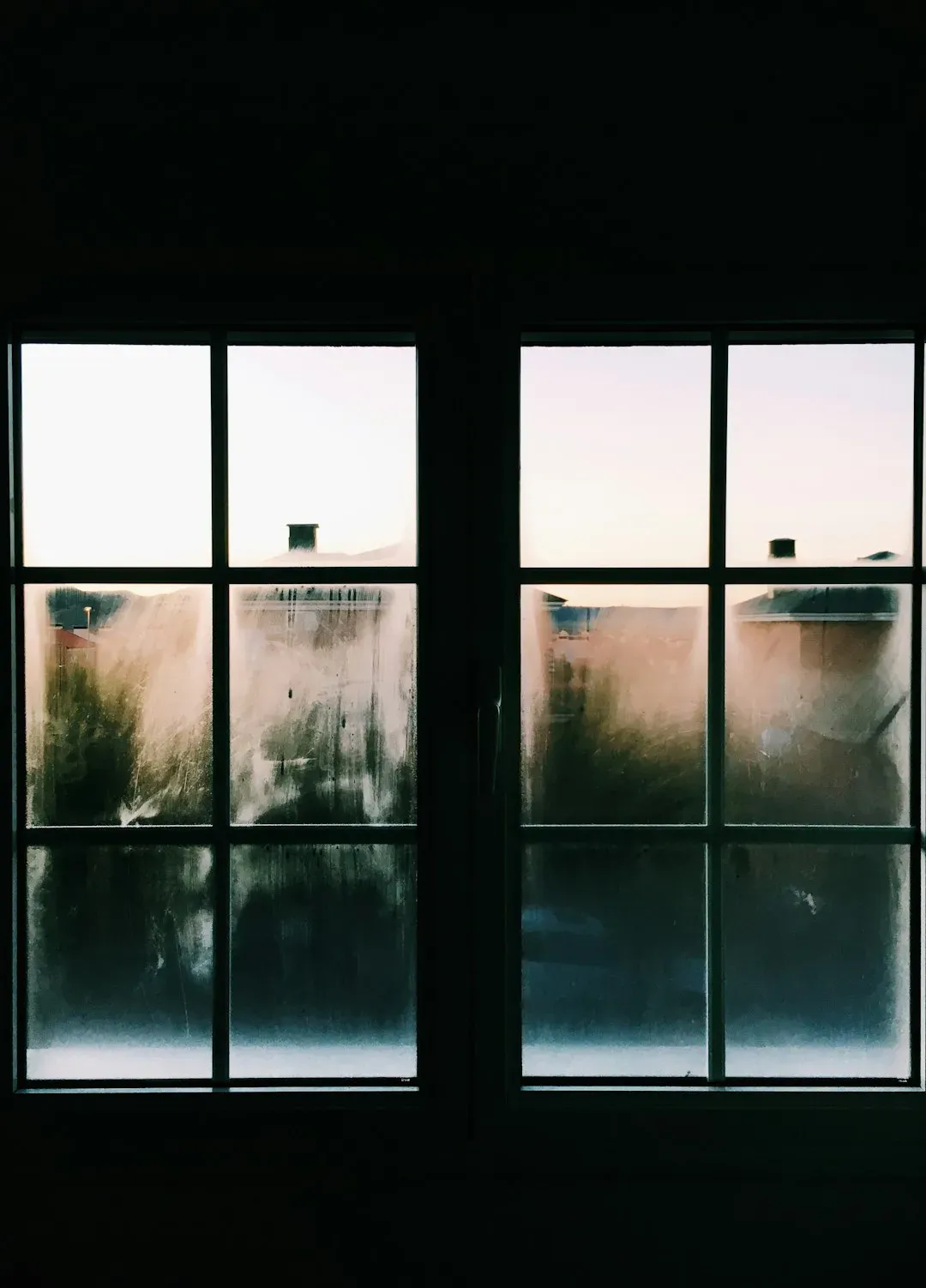
Window cleaning requires a specific combination of reaching, stretching, and sometimes climbing that becomes noticeably harder with age, particularly for taller windows or ones with hard to reach exterior panes. Curtains and blinds accumulate dust in ways that are easy to overlook day to day but become obvious to a visitor walking in with fresh eyes. It's one of those tasks that gets pushed to "next time" repeatedly until months have quietly gone by.
Beyond appearance, dirty windows can genuinely affect how much natural light enters a home, which has a documented connection to mood and even sleep patterns in older adults, according to research on light exposure and circadian health. A home that feels dim or closed off because of neglected windows can subtly compound issues like isolation or low mood in seniors already living alone. It's a small detail that carries more weight than it first appears to.
6. Closets and storage spaces
6. Closets and storage spaces (Image Credits: Unsplash)
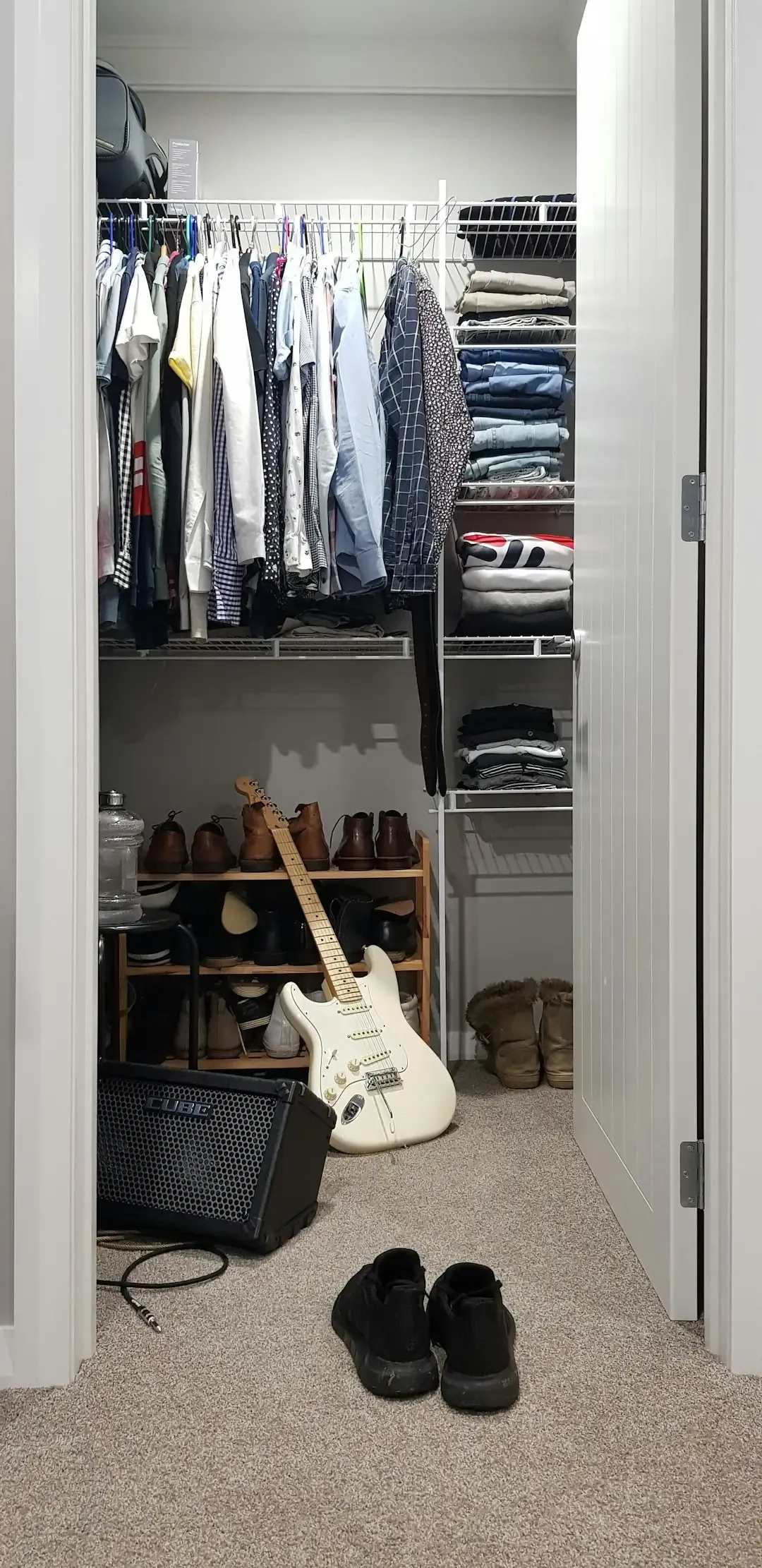
Closets are easy to close and easy to ignore, which is exactly why they tend to slip in the cleaning rotation as people get older. Sorting through clothes, shoes, and stored items requires decision making and physical effort in roughly equal measure, and both can become more draining with age. Over time, closets can become genuinely overstuffed, disorganized, or simply left as is because tackling them feels like too big a project to start.
For adult children, an overflowing or chaotic closet is sometimes the clearest visual evidence of how daily life has shifted for a parent, more so than almost any other room. It's rarely about the clothes themselves. It's about what the closet reveals regarding energy levels, decision fatigue, and how much bandwidth is left over after managing the basics of each day.
Noticing changes in these rooms isn't about judging a parent's housekeeping standards. It's about paying attention to what those changes might be quietly saying regarding mobility, energy, and overall wellbeing. A conversation started with curiosity rather than criticism tends to go a lot further than a lecture about dust ever could.