
There’s a particular kind of exhaustion that doesn’t go away with sleep. You come home, close the door, and somehow feel just as tense as when you left. Most people chalk it up to a rough week or too much on their plate. Rarely do they look at the walls around them as the source.
We often think of mental health as an internal battle, something that happens solely within our minds. The truth is that our environment plays a massive role in shaping our emotional well-being. From the company we keep to the physical conditions of our living space, our surroundings have a significant impact on our mood, stress levels, and overall mental health. What follows are the key signs that the place you call home may no longer be the refuge it should be.
You Feel Tense the Moment You Walk Through the Door

You Feel Tense the Moment You Walk Through the Door (Image Credits: Pexels)
The home environment is, fundamentally, a place of refuge. Research has shown that the same qualities responsible for associating a home with recovery, such as calmness and privacy, are also the qualities that lead people to evaluate their home as a secure base in response to stress. When that sense of security evaporates, something real has shifted.
It can be inferred that people feel more connected to their home when it has emotion-regulating capabilities. During periods of increased worry, the home can provide a source of refuge, safety, and stability, even preventing some people from experiencing depressive and anxiety-related symptoms. When the opposite happens consistently, and you feel worse inside than outside, the home itself deserves a closer look.
Clutter Has Quietly Taken Over
Clutter Has Quietly Taken Over (Image Credits: Pexels)
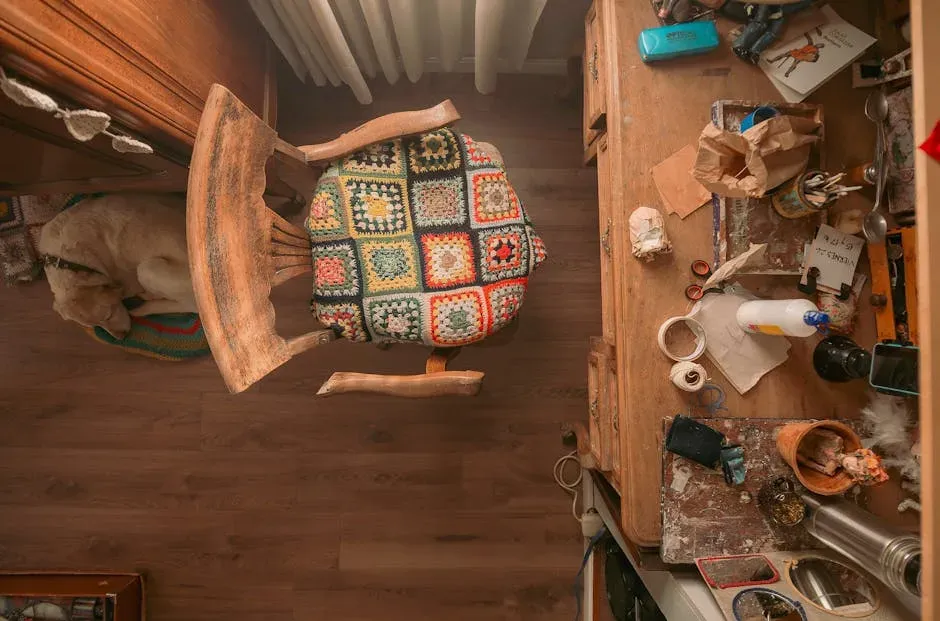
Cluttered spaces have been linked to higher stress levels and can impair decision-making, making it harder for individuals to focus and feel productive. A disorganized room can also discourage social interaction, leading to feelings of isolation. It's a slow accumulation. One pile becomes two, and before long the whole room feels like a task list.
Walking into a messy space immediately signals your brain that there's work to do. Piles of laundry, unwashed dishes, and scattered belongings constantly remind you of unfinished tasks. This sense of being "behind" can create ongoing stress, even when you try to ignore it. Research shows that people living in cluttered environments often experience elevated levels of cortisol, the hormone responsible for stress. The body responds to visual disorder in ways that feel emotional, but are very much physical.
The Noise Never Seems to Stop

The Noise Never Seems to Stop (Image Credits: Pexels)
Noise is one of the most ubiquitous environmental pollutants. Reports from the World Health Organization and the European Environment Agency indicate that noise exposure is a major public health threat affecting both physical and mental health. In the European Union alone, at least a fifth of the urban population is affected by the harmful effects of road traffic noise, contributing to millions suffering from high sleep disturbances.
An increasing body of research confirms that exposure to noise, particularly from sources such as traffic, can impact the central nervous system. These harms of noise increase susceptibility to mental health conditions such as depression, anxiety, and behavioral problems in children and adolescents. According to experts at Harvard, noise pollution is a growing problem that can lead to sleep disruption and insomnia as well as chronic health conditions including heart disease, cognitive impairment, depression, and anxiety.
You're Not Sleeping Well, and Your Home May Be Why
You're Not Sleeping Well, and Your Home May Be Why (Image Credits: Unsplash)
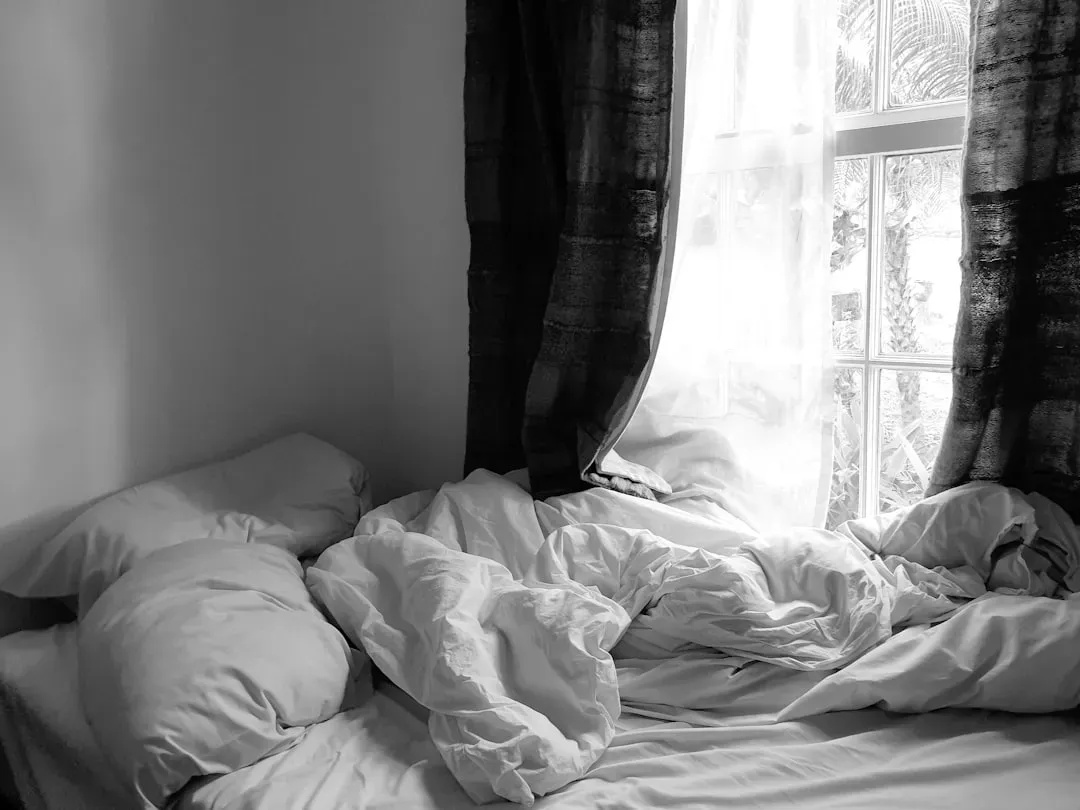
People who struggle with nocturnal environmental noise often suffer the next day from daytime sleepiness and tiredness, annoyance, mood changes, as well as decreased well-being and cognitive performance. Sleep is rarely the first thing people connect to their home environment, but the connection is well established.
Studies show that people with messy bedrooms often struggle to fall asleep and stay asleep. A cluttered space makes it difficult for the mind to relax, keeping you in a heightened state of alertness rather than rest. If you've ever tried to doze off while staring at unfolded laundry or stacks of unread mail, you know how a messy environment can make relaxation feel impossible. The bedroom, in particular, carries real weight when it comes to restorative sleep.
There's Damp, Mold, or a Persistent Musty Smell
There's Damp, Mold, or a Persistent Musty Smell (Image Credits: Pexels)
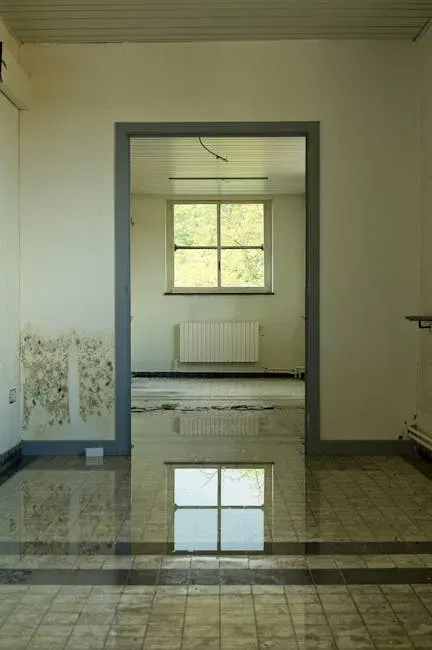
A broad scoping review found that the large majority of studies examining the subject found significant associations between damp and mold in the home and psychological outcomes. Poor housing conditions, including overall household disrepair, dampness, and mold, have been found to result in poor psychological wellbeing, and researchers view poor housing conditions as a critical public health priority.
Qualitative research has revealed that residents living with damp and mold feared potential physical health consequences and felt self-conscious about their clothes and homes smelling damp. That self-consciousness matters. The psychological burden of living in a home that feels unclean or unstable extends well beyond what's visible on the walls. While it is well-established that exposure to dampness or mold in homes negatively affects physical health, the association with mental health remains an active and important area of research.
The Lighting Feels Off, and You Can't Quite Explain Why
The Lighting Feels Off, and You Can't Quite Explain Why (Image Credits: Pexels)
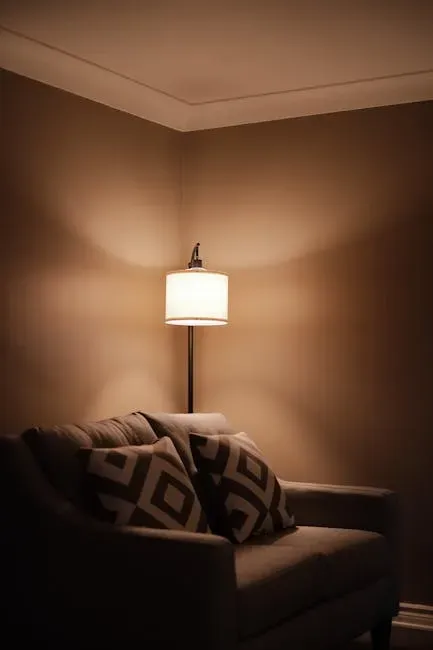
Light plays a surprising role in regulating mood and sleep patterns. Harsh, artificial lighting can disrupt the circadian rhythm, leading to difficulty sleeping and feelings of fatigue. Incorporating natural light into your daily routine and using warm, soft lighting in the evenings can promote relaxation and improve sleep quality.
Research confirms that daylight has a positive effect on emotional regulation, particularly in reducing anxiety and depressive symptoms. Homes that receive very little natural light, either due to orientation, small windows, or heavy window coverings, can subtly erode mood over time. Research has shown that having a view of nature can promote faster healing, while inadequate lighting can lead to increased stress and anxiety. Often, people notice this effect most in winter months, but the issue can persist year-round.
The Air Quality Inside Is Worse Than You Think
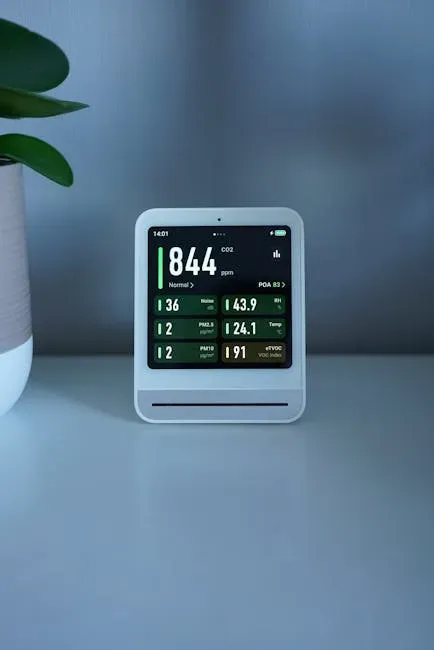
The Air Quality Inside Is Worse Than You Think (Image Credits: Pexels)
Scientific reviews on environmental exposure point to biological mechanisms that may influence mental health through environmental factors. Studies show that environmental factors may change or alter the way the brain sends signals. This disruption may induce feelings of depression and contribute to chronic stress. Pollutants in the environment can also affect neurotransmitter functions, including the chemical serotonin, which directly impacts mood, cognition, learning, and memory.
Research has found that overall mental health was worse when carbon dioxide concentrations inside a home exceeded certain levels. Poor ventilation, chemical off-gassing from furniture and cleaning products, and even high humidity can all degrade indoor air quality without any obvious odor or visible sign. Additional factors such as noise, human-made electromagnetic fields, urbanization, and lack of natural environments may all affect the body's ability to reduce stress and contribute to increased feelings of depression.
The Relationships Inside the Home Feel Strained

The Relationships Inside the Home Feel Strained (Image Credits: Pexels)
A messy or stressful home doesn't just impact the person living in it; it can also strain relationships with roommates, partners, or family members. Constant arguments about chores, resentment over responsibilities, or embarrassment about inviting guests over can all lead to ongoing conflict. This relational tension is one of the most overlooked effects of a difficult home environment. The environment doesn't just affect your own mood; it can ripple into how you connect with the people you care about.
Humans are social creatures, and the quality of relationships significantly impacts mental health. Supportive, uplifting connections with friends and family provide a sense of belonging, love, and acceptance. When the home itself is generating friction, that protective social buffer starts to erode. A home in conflict rarely feels like a sanctuary, regardless of how well-decorated it might be.
You've Lost Interest in the Space Itself
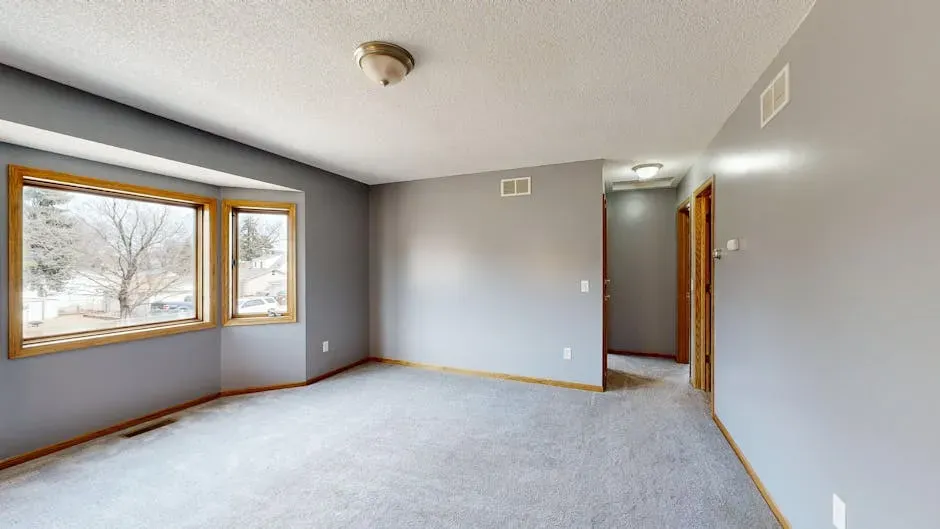
You've Lost Interest in the Space Itself (Image Credits: Pexels)
Housing serves as more than just a shelter, providing individuals with safety, privacy, security, and comfort. People develop emotional and meaningful relationships with their homes, which contribute to social resilience. When that attachment fades and the home begins to feel indifferent or even hostile, it's worth pausing to understand why.
Studies have shown that people who describe their homes as messy or cluttered are more likely to report feelings of fatigue and low mood than those who describe their homes as tidy. That means your environment may be directly contributing to how you feel day to day. Disengagement from your living space, not bothering to make it comfortable, avoiding spending time in certain rooms, or simply feeling nothing when you're home, can all be early signals that the environment is working against you rather than for you.
You've Stopped Inviting People Over
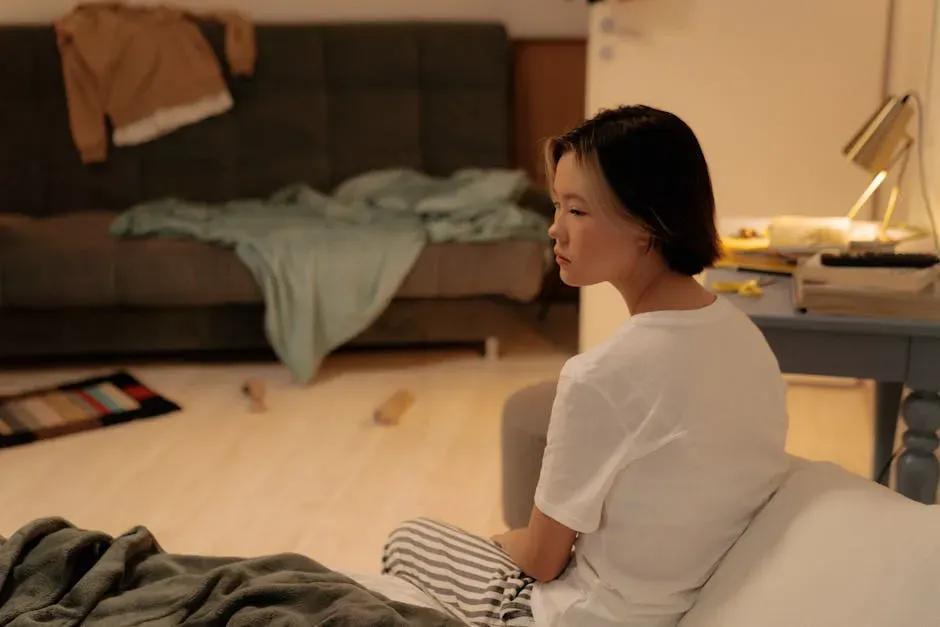
You've Stopped Inviting People Over (Image Credits: Pexels)
A disorganized room can discourage social interaction, leading to feelings of isolation. On the other hand, a welcoming and inviting space can encourage connections with others, which is important for mental health. Social withdrawal that starts at home can quietly extend into other areas of life without people realizing the pattern.
A living space can be a sanctuary or a source of stress. Clutter, disorganization, and lack of natural light can contribute to feelings of overwhelm and anxiety. Conversely, a clean, well-organized space with calming colors and comfortable furniture can promote relaxation and peace of mind. The homes we feel proud to share tend to be the ones that restore us. When shame or discomfort replaces that pride, the home has likely already crossed a line that's worth paying attention to.