
Something quiet has been building in the world of home design. Not a loud, trend-driven overhaul, but a gradual, deliberate shift toward less. After years of maximalist interiors, curated clutter, and shelves packed with personality-driven decor, people are stripping things back again. The rooms earning the most attention right now are not the most decorated. They’re the most considered.
The reasons behind this revival go well beyond aesthetics. They touch on how people feel in their homes, what they’re spending money on, and what kind of environment actually helps them function. As we move through 2025 and into 2026, minimalism continues to evolve, shaping the way people live, work, and create spaces that support well-being. It’s no longer just about owning less – it’s about living intentionally, focusing on quality over quantity, and embracing simplicity in every aspect of life.
The Market Numbers Tell a Clear Story
The Market Numbers Tell a Clear Story (Image Credits: Unsplash)
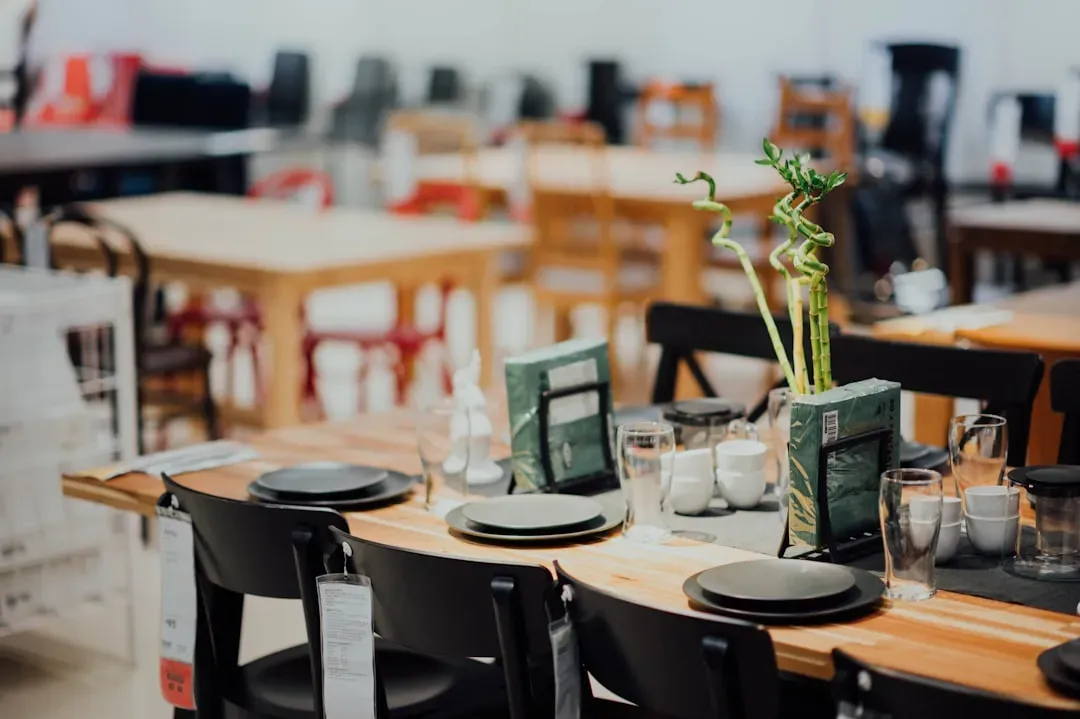
The global minimalist furniture market was estimated at USD 52.6 billion in 2024 and is projected to reach USD 81.1 billion by 2030, growing at a compound annual rate of 7.7% from 2025 to 2030. That's not a niche figure. It signals a durable consumer shift, not a passing moment.
The broader global interior design market was estimated at USD 137.93 billion in 2024 and is projected to reach USD 175.74 billion by 2030, driven by evolving consumer preferences, technological advancements, and the growing importance of wellness and sustainability. Within that landscape, minimalist aesthetics are capturing a disproportionately strong share of attention and investment.
A Reaction to Years of Visual Overstimulation
A Reaction to Years of Visual Overstimulation (Image Credits: Unsplash)
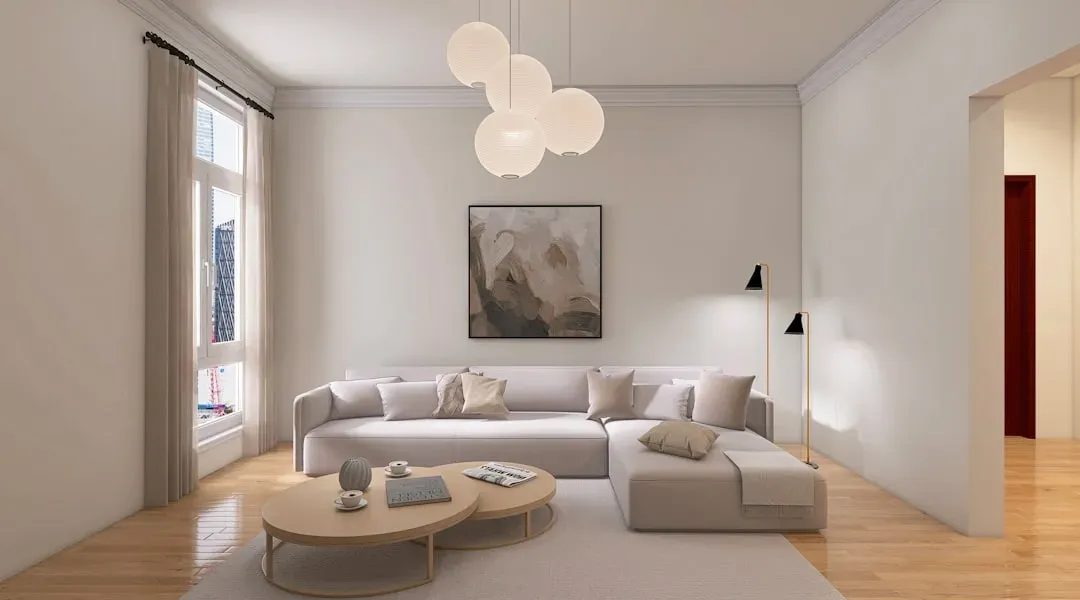
Interior designers consulted for Dezeen's 2026 trend predictions were united in their feeling that spaces designed this year will resist extravagance for the sake of it – forecasting what one contributor described as "a disciplined, intelligent restraint." This marks an anticipated shift from much of the decadence that characterized interior design in 2025.
In 2026, inspiration for minimalist interior design is coming from real life, not from magazine homes. It's about wanting spaces that feel lighter to live in, easier to maintain, and emotionally calming. That framing – practical and human rather than aspirational – is part of why the current wave of minimalism feels different from earlier iterations.
The Psychology of Clutter and Calm
The Psychology of Clutter and Calm (Image Credits: Pexels)
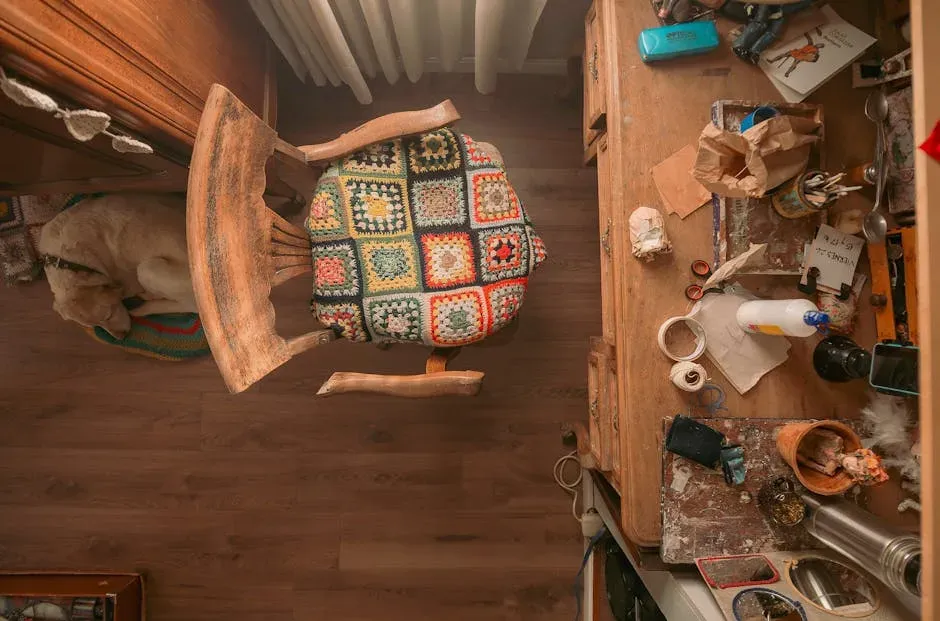
Research suggests that a cluttered environment can contribute to stress, anxiety, and even cognitive overload. Visual clutter sends signals to the brain that the work is never done, triggering a constant low-level stress response. Conversely, a clean, organized space can create a calming atmosphere, allowing the mind to relax and focus.
Science has found a direct correlation between clutter and cortisol, the body's primary stress hormone. In one study, women with cluttered homes were more likely to have elevated cortisol levels later in the day than those with uncluttered homes. A follow-up study also showed that women with tidy homes had better moods and a more significant reduction in cortisol later in the day. The home, it turns out, is not just a backdrop to daily life – it actively shapes how people feel within it.
From Cold White Rooms to Warm Minimalism
From Cold White Rooms to Warm Minimalism (Image Credits: Unsplash)
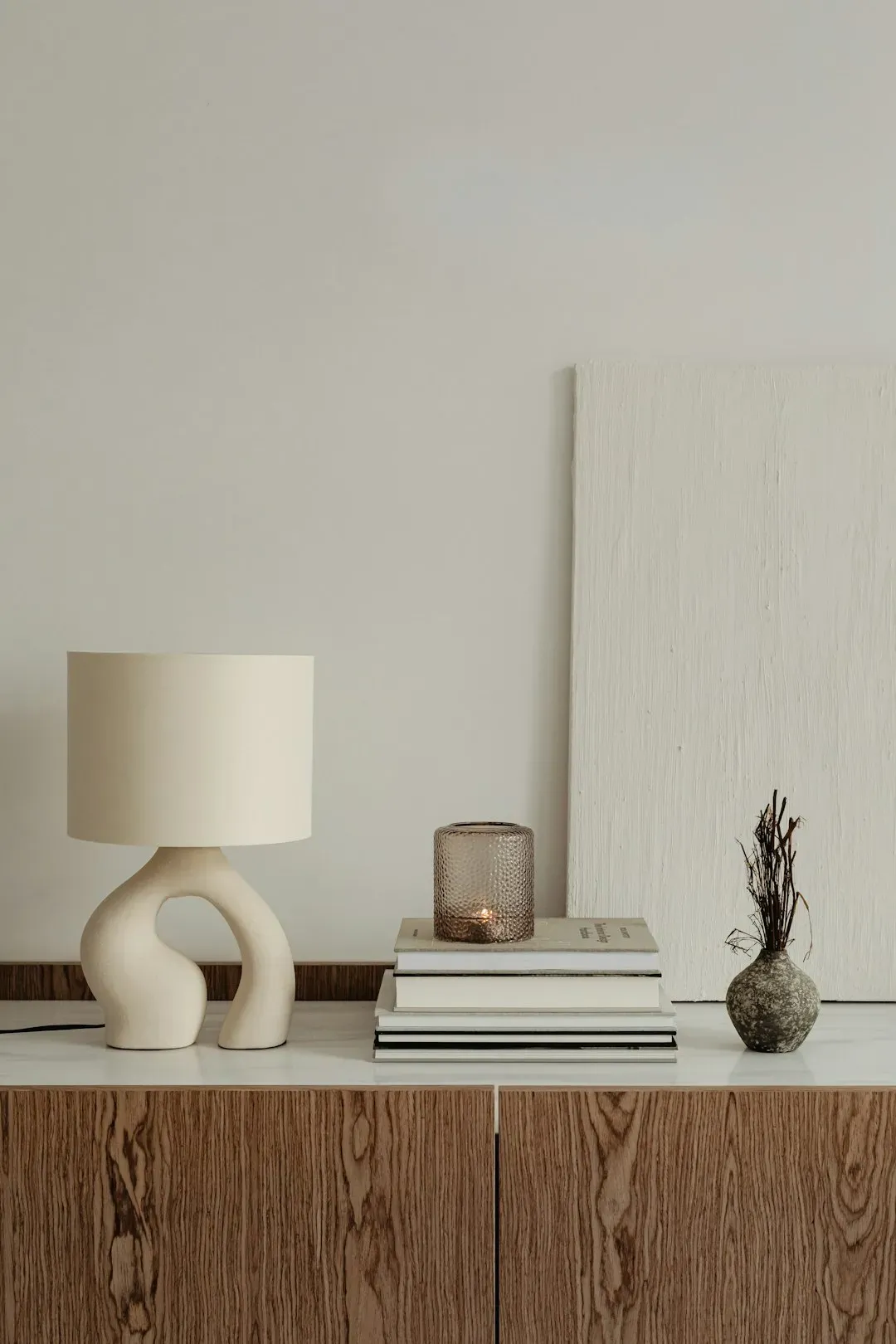
The all-white "rental stage set" look is quietly fading. In 2026, minimalist rooms lean into coffee, mocha, mushroom, clay, and caramel rather than harsh, icy white. Home decor trends are moving away from cold, gallery-like spaces and into warmer, more character-rich homes.
Minimalism is getting a warm, inviting makeover for 2025 and 2026 living room design. The cold, stark spaces of earlier years are giving way to cozy minimalist interiors that blend personal style with deep comfort and smart functionality. In 2025 and now into 2026, we're seeing a more relaxed version of minimalist interiors, where sleek lines are softened by texture, tone, and personal touch. Gone are the sterile, clinical aesthetics of the past. Warm minimalism favors tactile materials – linen, wood, leather – muted earthy palettes, and simple silhouettes that feel lived-in and welcoming.
The Rise of Japandi and Its Enduring Appeal
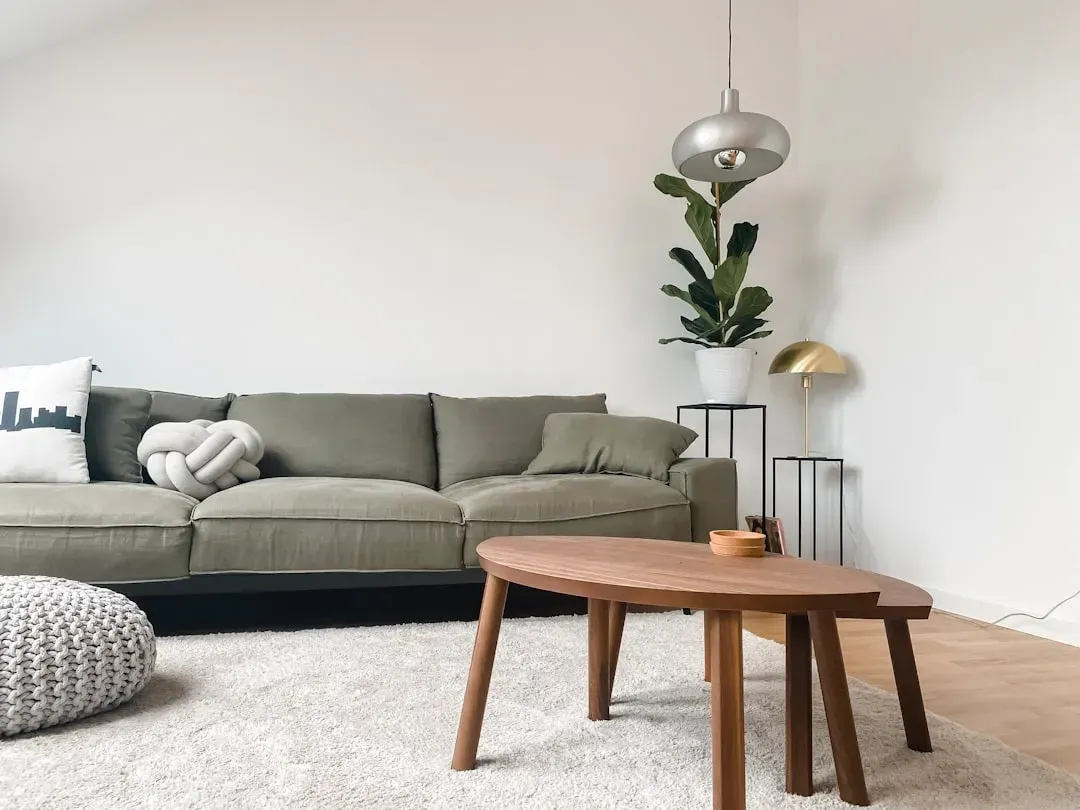
The Rise of Japandi and Its Enduring Appeal (Image Credits: Unsplash)
The Japandi design trend is still on the rise. It artfully combines the serenity and appreciation of imperfection from Japanese aesthetics with the functionality, comfort, and simplicity of Scandinavian design. This harmonious blend results in living spaces that are both calm and practical, deeply rooted in craftsmanship and a connection to nature.
The fusion of Japanese and Scandinavian minimalism continues to refuse to fade. Japandi-related searches climbed 105%, and the supporting data shows where the trend is evolving: fluted panels saw an increase of 459%, natural stone rose 51%, and biophilic design increased by 124%. This second wave of Japandi moves beyond the surface aesthetics that defined its first popularity cycle, shifting emphasis toward materiality and texture rather than mere visual simplicity.
Sustainability as a Driver, Not Just a Bonus
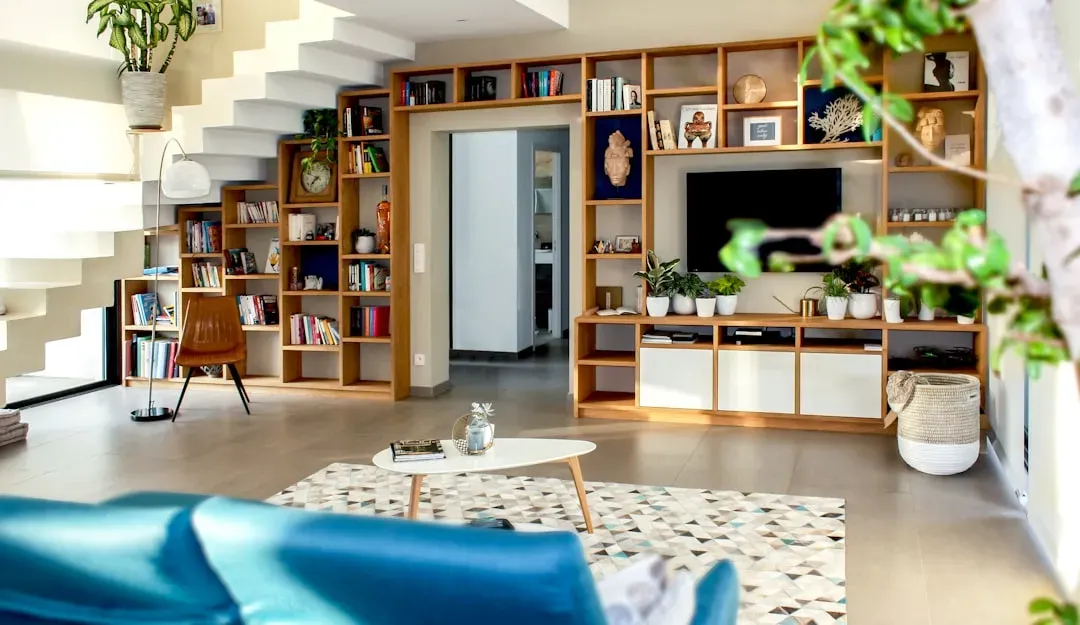
Sustainability as a Driver, Not Just a Bonus (Image Credits: Unsplash)
Sustainability continues to be a driving force behind minimalist lifestyles. Minimalism intersects with eco-conscious choices such as prioritizing secondhand shopping over new purchases, choosing durable and long-lasting items, and supporting brands that emphasize ethical production. This shift reflects a growing awareness that less is more – not just for personal well-being, but for the planet.
Consumers are increasingly choosing bamboo, reclaimed wood, recycled metals, and low-VOC finishes, with over 60% of consumers now saying they prefer environmentally friendly furniture options. The eco-friendly furniture market itself is projected to nearly double, from around $40.6 billion in 2022 to $88 billion by 2031. Minimalism, in this sense, has become practical environmentalism applied to the home.
A Global Cultural Shift Among Younger Generations
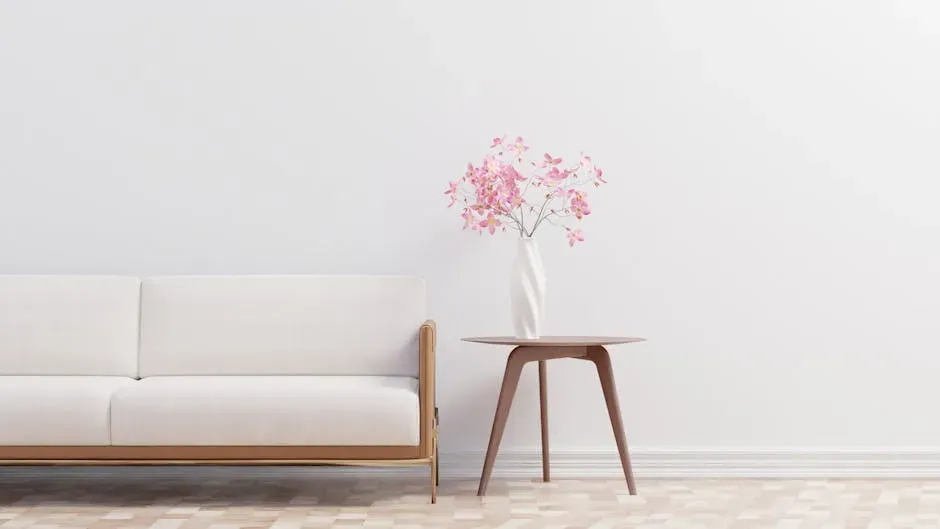
A Global Cultural Shift Among Younger Generations (Image Credits: Pexels)
As of 2025, voluntary minimalism and "low-desire" living are on the rise among younger generations in both affluent and emerging economies. Common indicators include declining interest in conspicuous consumption, delayed life milestones, and a pushback against work-centric lifestyles.
According to recent surveys, roughly two thirds of millennials and Gen Z report actively reducing their possessions in 2024, citing environmental concerns, financial freedom, and mental well-being as their primary motivations. In different regions, this takes on local names: Japan's "Satori" generation free from material desires, China's "tang ping" or "lying flat" movement, South Korea's "N-po" generation, and Western millennials embracing the FIRE ethos or softer forms of frugality. The impulse is clearly cross-cultural, even if its expressions differ.
Biophilic Design Deepens the Minimalist Experience
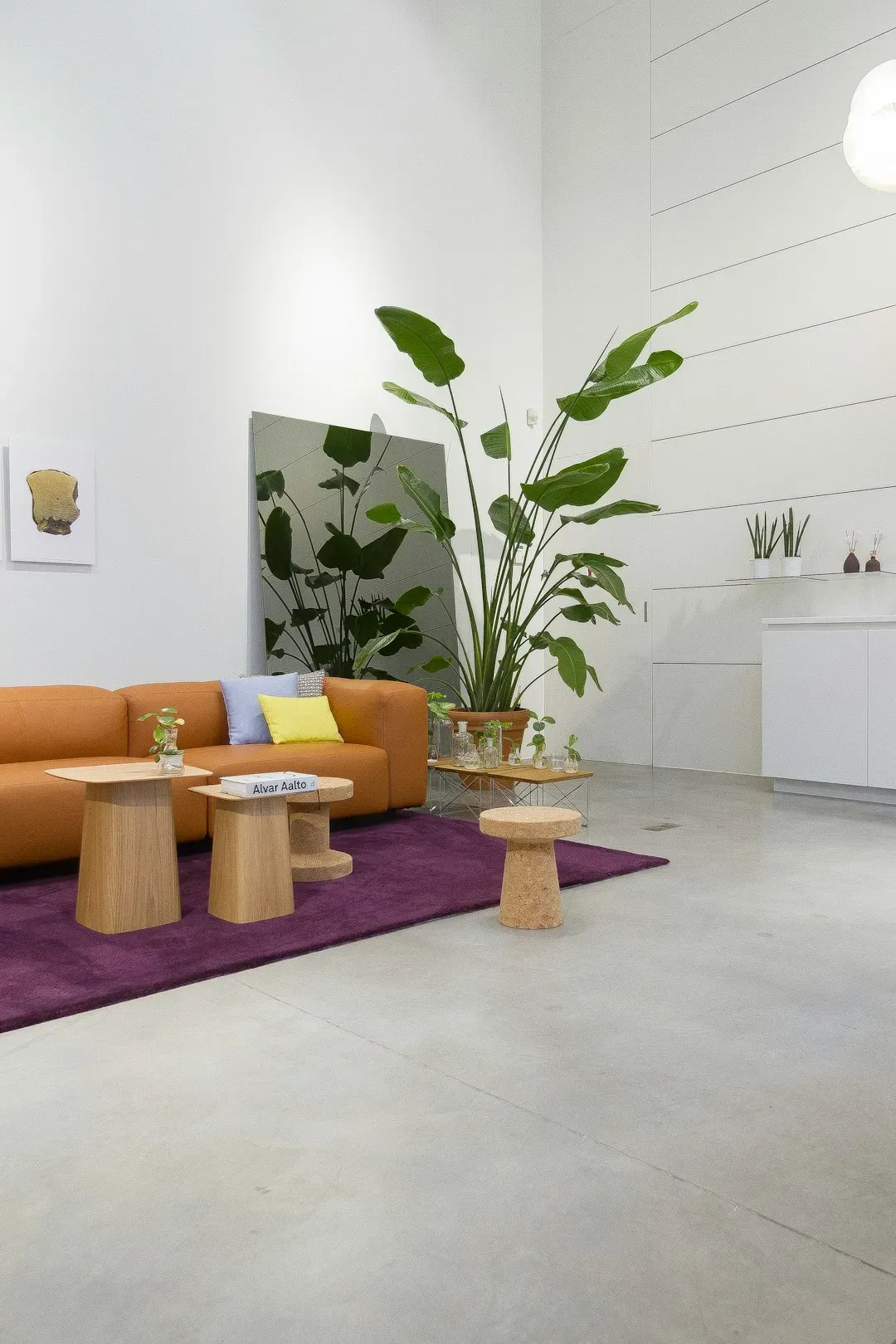
Biophilic Design Deepens the Minimalist Experience (Image Credits: Unsplash)
In 2026, biophilic design has become about architectural integration. The goal is to blur the boundary between indoors and outdoors so thoroughly that occupants feel connected to nature even when the windows are closed. This goes beyond potted plants to what designers are calling "integrated nature" – indoor trees, floor-to-ceiling garden views, and a sensory design focus on acoustics, tactile fabrics, and cocooning.
The style's popularity isn't just visual – it's rooted in the post-pandemic lifestyle shift toward wellness-driven and intentional living. Homes have become sanctuaries, and the calming, minimalist language of design marked by natural materials, soft tones, and thoughtful functionality meets that need for balance and serenity. This connection between nature and interior space has become one of the most compelling reasons people are drawn to minimalist design in the first place.
Technology That Disappears Into the Design
Technology That Disappears Into the Design (Image Credits: Unsplash)
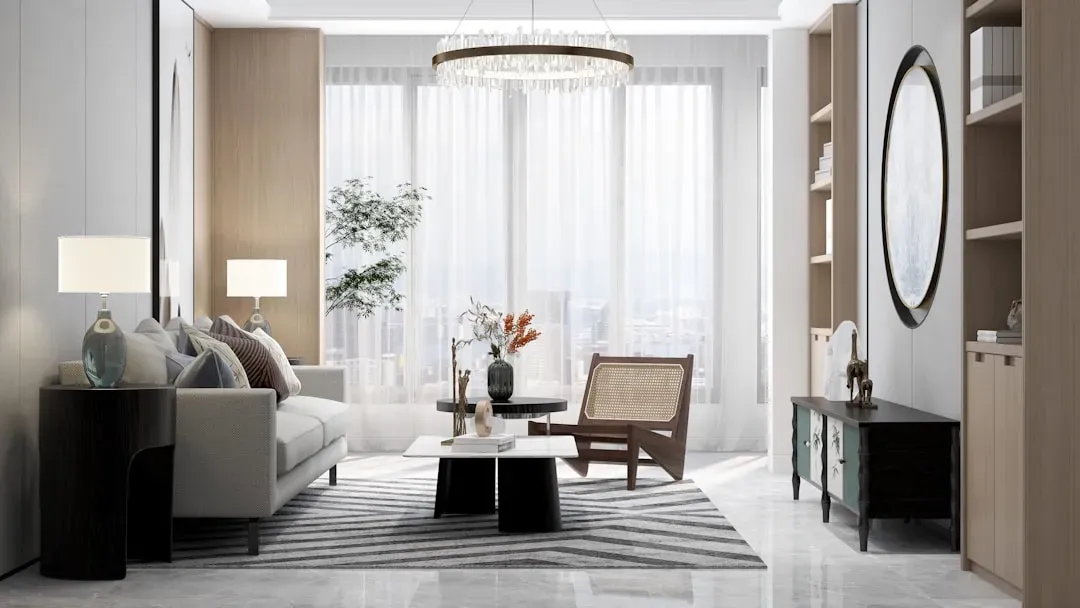
In 2025 and into 2026, Japandi-influenced and minimalist design embraces technology in ways that enhance convenience without detracting from serene aesthetics. Smart home innovations are seamlessly integrated, maintaining the minimalist and uncluttered look while improving functionality. One of the most notable developments is the rise of modular furniture embedded with technology – pieces designed with hidden functionalities such as charging ports, wireless speakers, or temperature-controlled compartments. A coffee table might double as a discreet charging station, while a sleek wooden bench could house built-in storage with smart locks.
The design community spent years debating whether technology should be celebrated or hidden. The data now suggests resolution: people want capability without visual intrusion. They want lights that respond to voice commands from fixtures that look like ordinary fixtures. They want kitchens that function as high-tech command centers but photograph like serene minimalist spaces. That tension between capability and calm has finally found a solution in the form of invisible technology.
Quality Over Quantity Has Become the Default Logic
Quality Over Quantity Has Become the Default Logic (Image Credits: Unsplash)
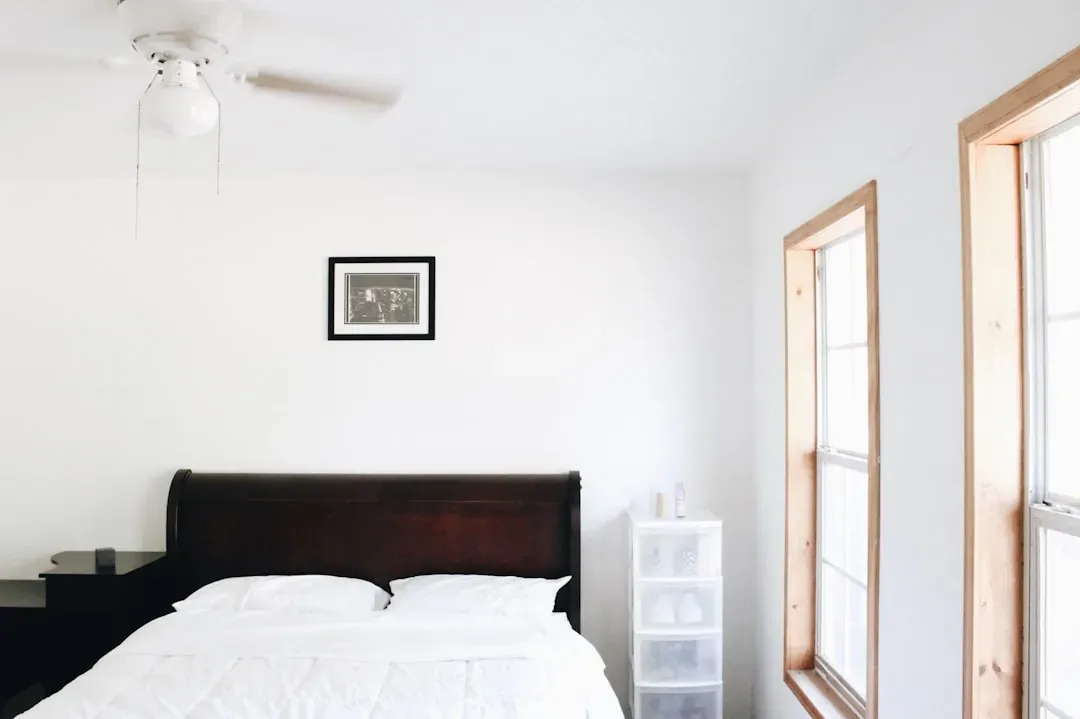
Fast furniture is in decline. Consumers are trading quantity for longevity, preferring items that can be serviced, refinished, or remade. Reports point to a designer-led rejection of disposable interiors in 2026. Luxury minimalism in 2026 is not about clinical white rooms or empty museum spaces. It's a warm, tactile, highly curated approach that values quality over quantity, textural richness through layers of natural materials, and emotional sustainability – spaces designed for long-term wellbeing rather than fast trends.
The demand for minimalist cabinets and shelves is expected to grow at a particularly strong rate through 2030, driven by consumers increasingly seeking efficient storage solutions that complement the desire for uncluttered, organized living spaces. This growing demand is fueled by trends like urbanization and smaller living spaces, where such furniture maximizes storage without overwhelming a room's aesthetic. Owning less, it turns out, requires smarter design – not just fewer things, but better ones.