
Two generations raised on the internet, shaped by economic turbulence, and connected by smartphones – and yet, the gap between Millennials and Gen Z is wider than it might look from the outside. They share platforms, playlists, and plenty of political anxieties, but how they actually live, work, spend, and think has been diverging in ways that are increasingly hard to ignore.
Understanding that divergence matters. The generational shift from Millennials to Gen Z isn’t just about smartphones and TikTok – it’s about deeply contrasting values, expectations, and behaviors in the workplace and beyond. These aren’t just demographic trivia. They reflect how a generation responds when the roadmap handed to them simply doesn’t work anymore.
Two Generations, Two Very Different Starting Points
Two Generations, Two Very Different Starting Points (Image Credits: Unsplash)
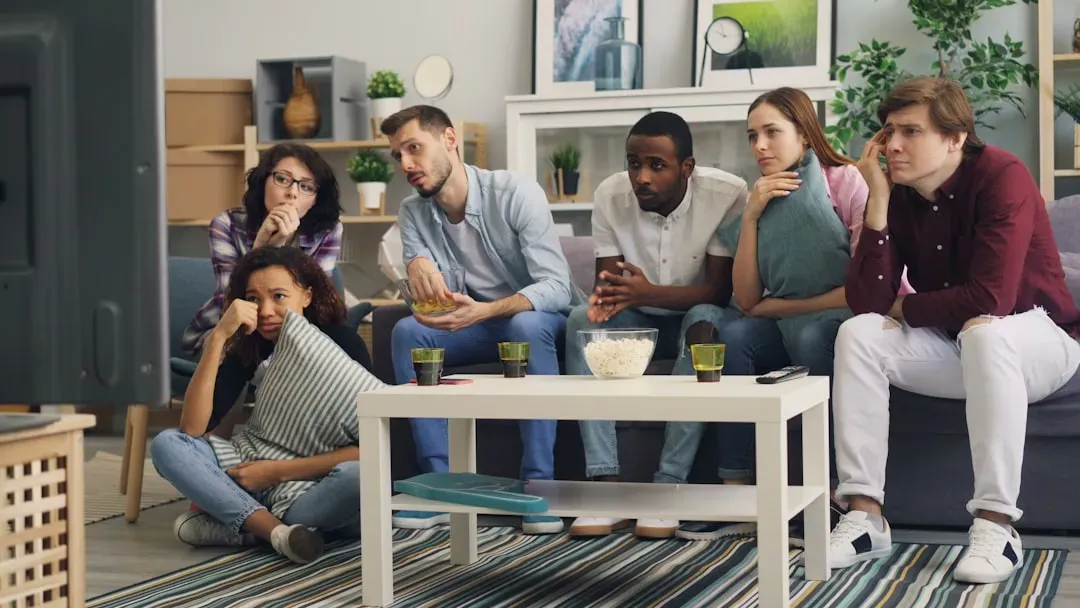
Millennials grew up during the rise of social media and the economic uncertainty of the Great Recession. In contrast, Gen Zers were shaped by global connectivity, political activism, and the realities of a post-pandemic world. That's a significant difference in foundational experience, and it shows up in almost everything they do.
Millennials are often considered the first generation to come of age with the internet. Gen Z, by contrast, are digital natives – they've never known a world without smartphones, social media, or streaming. What felt like a revolution to Millennials is simply the fabric of daily life for Gen Z, and that alone changes how you see the world.
The Work Ethic Debate: Ambition Without the Corner Office
The Work Ethic Debate: Ambition Without the Corner Office (Image Credits: Unsplash)
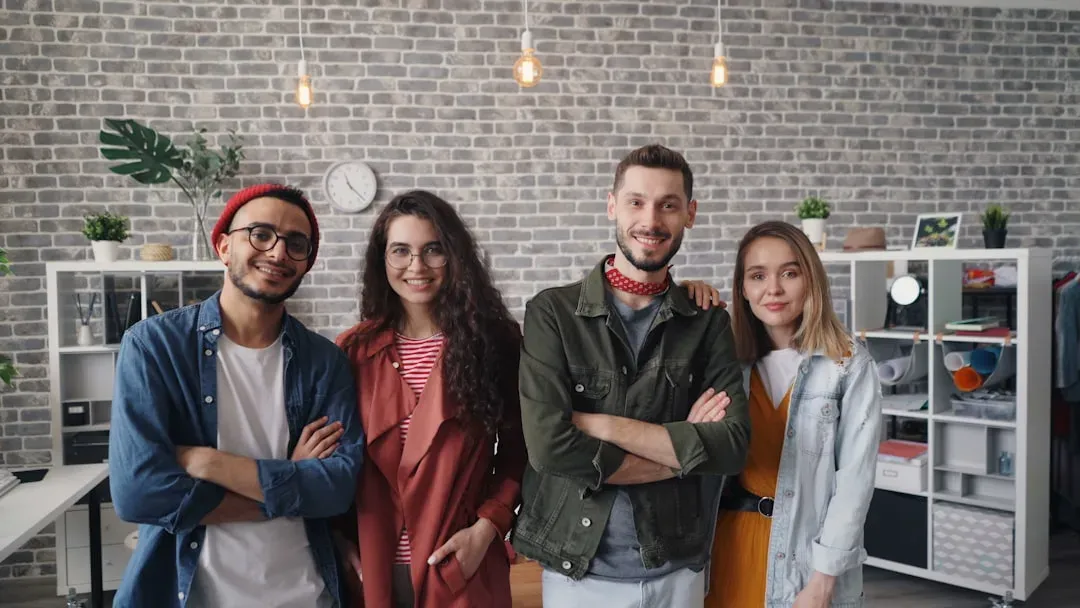
Gen Z is more focused on work-life balance than climbing the corporate ladder – only 6% say their primary career goal is to reach a leadership position. That number is striking. For a generation often dismissed as disengaged, it actually signals something more deliberate: a clear-eyed rejection of the hustle-at-all-costs model.
Millennials value stability and growth. Having entered the workforce during the Great Recession, many focused on job security, structured career paths, and clear progression. Gen Z, watching those same Millennials burn out or carry student debt into their late thirties, seems to have drawn a different set of conclusions entirely.
Social Media: Same Platforms, Very Different Purposes

Social Media: Same Platforms, Very Different Purposes (Image Credits: Unsplash)
While both generations are adept with tech, Gen Z and Millennials use it differently: Gen Z emphasizes video and fast-paced visual content, while Millennials tend to value written communication and curated online personas. Millennials built their social identities through status updates and carefully filtered photos. Gen Z largely skipped that phase.
While Millennial teenagers used social media to update their statuses and see what their friends were up to, social media is more of a time-filler and content consumption hub for Gen Zers. Unlike Millennials, Generation Z are actually more likely to be using social media to find entertainment than to stay in touch with their friends. That's a fundamental shift in what these tools are even for.
TikTok vs. Facebook: The Platform Divide That Defines a Generation
TikTok vs. Facebook: The Platform Divide That Defines a Generation (Image Credits: Unsplash)
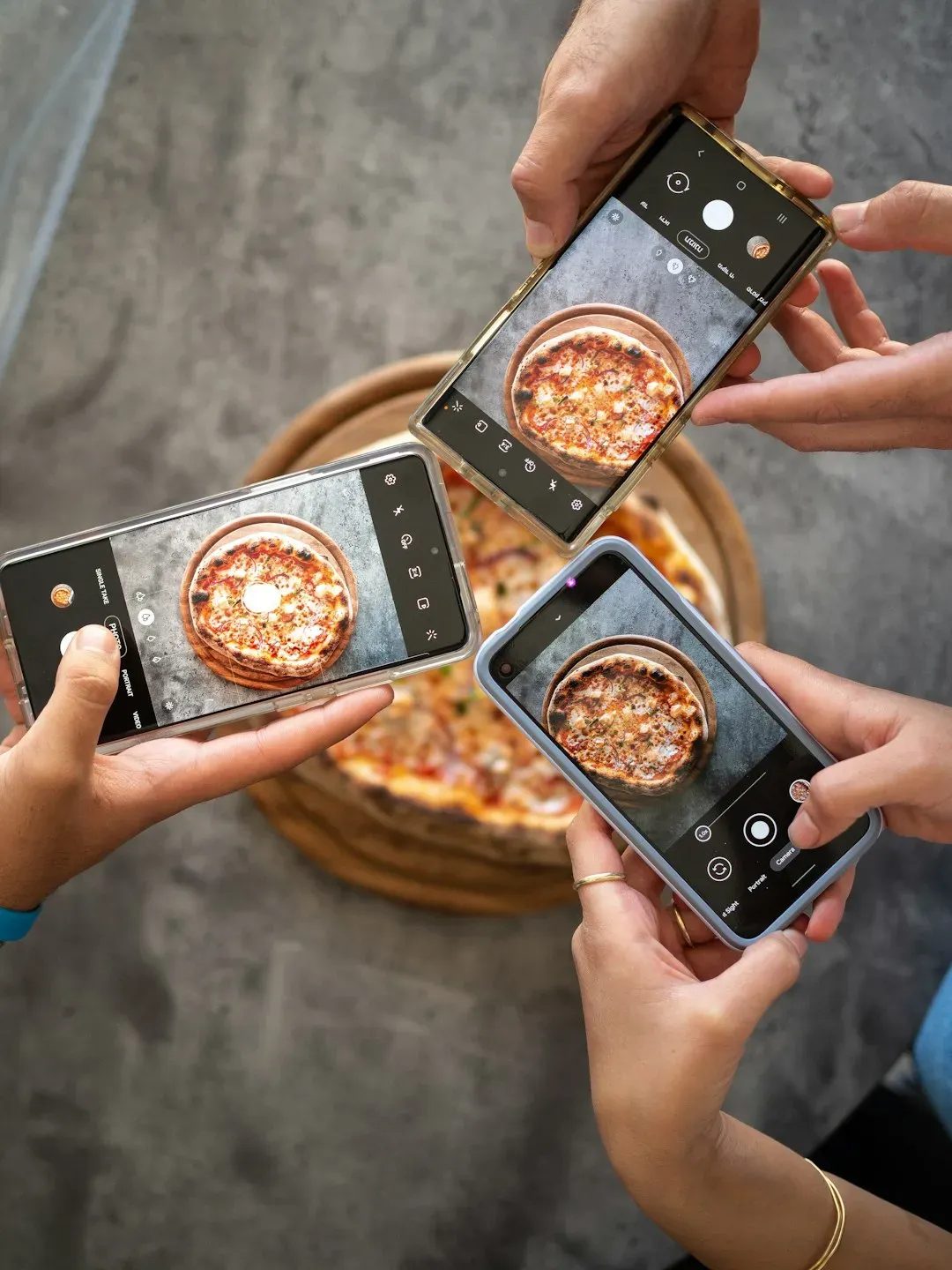
According to a 2024 Pew study, just 27% of Millennials use TikTok regularly compared to 58% of Gen Z. The numbers tell a clear story. Millennials gravitate toward platforms built on longer-form interaction and community – Facebook, Reddit, LinkedIn. Gen Z migrates toward the fast, raw, and algorithmic.
YouTube leads Gen Z's daily usage, with 63% using it daily, ahead of Instagram at 58% and TikTok at 56%. Social media has also become the main news source for this generation, with 44% accessing news daily via social and 25% naming TikTok as their primary news platform. That last figure is particularly telling when it comes to how Gen Z forms opinions and processes the world around them.
The Education Question: Is a Degree Still Worth It?

The Education Question: Is a Degree Still Worth It? (Image Credits: Pexels)
In 2002, 72% of high school students expected to earn a bachelor's degree. By 2022, that number had dropped to just 44%. Among first-generation students, aspirations fell from 60% to 33% over the same period. This decline reflects growing concerns about cost, relevance, and return on investment. The college-as-default narrative, which Millennials largely accepted, is being seriously questioned by Gen Z.
The high cost of education and questions about return on investment are primary factors driving the skepticism. Many Gen Zers have witnessed the struggles of Millennials with student debt and underemployment, making them much more wary of the value proposition of an expensive college degree. Roughly 46% of Gen Z flatly say they don't think college is worth the cost. That's a generational lesson learned from watching the generation ahead of them.
Money, Debt, and the "Soft Saving" Mindset

Money, Debt, and the "Soft Saving" Mindset (Image Credits: Pexels)
As of 2024, the average Gen Zer carried nearly $23,000 in student debt, while Millennials held more than $40,000 on average. Gen Z entered adulthood with a smaller debt burden, in part because many watched Millennials struggle and recalibrated before taking the same path. Still, the financial anxiety runs deep.
Many Gen Zers are pushing back on the classic narrative of work hard, save aggressively, retire, repeat. Instead, they're reimagining financial success not as a purely numerical target but as something deeply tied to quality of life. This shift is partly rooted in witnessing Millennials and older peers burning out and struggling with housing costs. Gen Z sees financial health and emotional wellbeing as intertwined. The emerging concept of "soft saving" – building financial security without sacrificing present joy – is essentially a response to everything they watched go wrong for the generation before them.
The Homeownership Gap: Aspiration Meets Hard Reality

The Homeownership Gap: Aspiration Meets Hard Reality (Image Credits: Unsplash)
Approximately 90% of Gen Z say they want to own a home someday, but 62% worry they never will. This growing sense of doubt is rooted in a harsh financial reality. Of those who think they'll never own a home, 82% say it's because they can't afford it, up from 57% who said the same in 2024. The desire is there. The path to get there is what's collapsed.
Since the 1960s, home prices have risen 2.4 times faster than inflation according to Clever Real Estate. If home prices had merely kept pace with inflation, the median home would cost only $177,500 in 2024 – compared to the $431,000 it actually costs. Because homeownership has become less accessible, many Gen Zers are turning to alternative paths to build wealth. According to a JPMorgan analysis, 37% of 25-year-olds added money to retail investment accounts in 2024, up from just 6% in 2015. Many are choosing stocks or other financial assets over property.
Mental Health and Stress: Gen Z Is More Vocal, Not Just More Anxious

Mental Health and Stress: Gen Z Is More Vocal, Not Just More Anxious (Image Credits: Pexels)
Only about half of Gen Zers rate their mental health as good or extremely good. Stress levels remain high, with 40% of Gen Zers and 35% of Millennials saying they feel stressed all or most of the time. The gap isn't enormous, but Gen Z's willingness to name it and demand support differs significantly from how Millennials have typically approached the same pressures.
Gen Z seeks support, mental health resources, and inclusivity from employers. A recent survey found that roughly two-thirds of Gen Z workers prefer hybrid work arrangements, and they place a strong emphasis on work-life balance. For Millennials, these were often hard-won concessions. For Gen Z, they're baseline expectations from the start.
Entrepreneurship: Purpose First, Profit Second
Entrepreneurship: Purpose First, Profit Second (Image Credits: Unsplash)
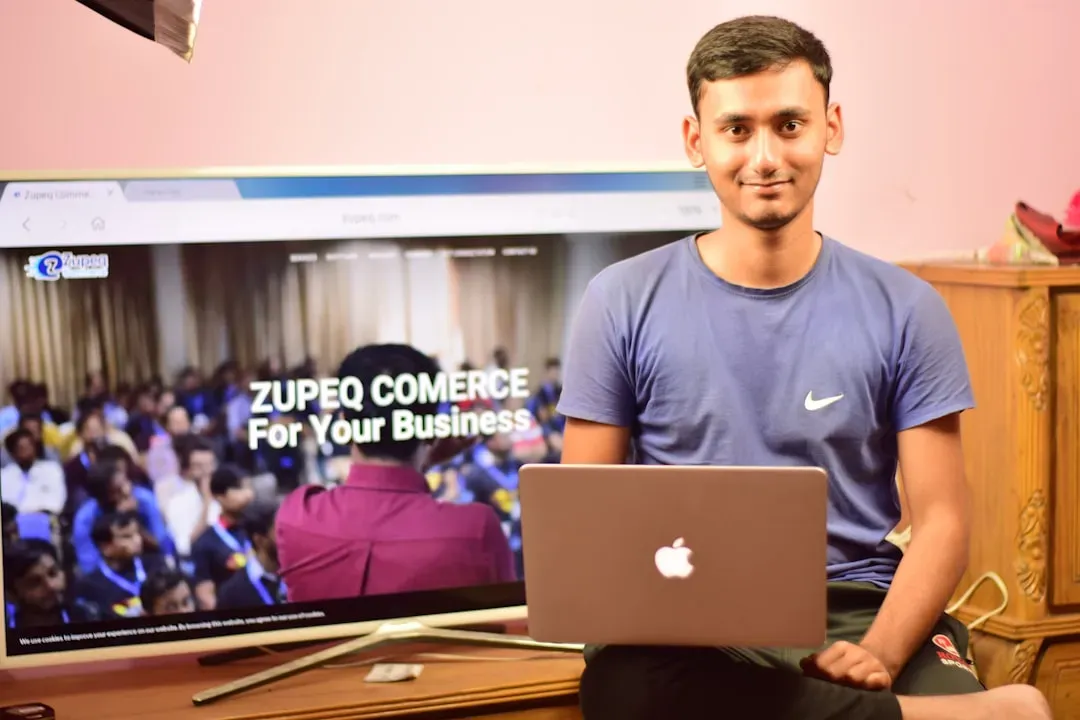
Armed with digital fluency and a deep sense of purpose, Gen Z entrepreneurs are building companies that blend profit with personal values. A 2025 report found that more than 80% of Gen Z entrepreneurs describe their businesses as purpose-driven, a clear sign that meaning now matters as much as money. This isn't just idealism – it reflects how Gen Z interacts with every institution it encounters.
Gen Z didn't "pivot to digital" – they were born in it. They launch brands on TikTok, manage sales through direct messages, and get websites up and running with relative ease. Independence and flexibility matter more to them than a corner office. Only about one in five Gen Zers want student loans, and roughly 35% are entrepreneurial – building Etsy shops, Twitch streams, or app startups by their mid-twenties.
What This Divergence Actually Means Going Forward

What This Divergence Actually Means Going Forward (Image Credits: Unsplash)
Together, Gen Z and Millennials are projected to make up 74% of the global workforce by 2030, entering peak career years with unprecedented financial anxiety. That's the workforce most employers will depend on – and it's a workforce that wants something fundamentally different from what was designed for generations before it.
Gen Z's attitudes are more than just a snapshot of youthful pessimism – they are a window into the future. This is the generation entering the workforce, forming households, and shaping consumer markets. Their heightened financial anxiety and skepticism about job stability can affect everything from how they spend to how long they stay with an employer. For businesses, this suggests challenges and opportunities: companies may need to adapt by offering clearer career pathways, more flexible benefits, and pricing strategies that acknowledge Gen Z's budget constraints.
What Gen Z is building – or refusing to build in the way Millennials did – isn't just a generational quirk. It's a stress test on systems and assumptions that were already straining before this generation arrived. The rules aren't being broken carelessly. They're being questioned by a generation that watched the last group follow them and still end up struggling.