
There's a strange irony in personal finance. People will spend hours comparing credit card rewards or researching the "best" investment app, yet skip the one habit that quietly reshapes a household's entire financial picture: sitting down once a week to look at where the money actually went. It sounds almost too plain to matter, but talk to households who've stuck with it, and a pattern shows up again and again.
The weekly check-in isn't a budgeting system on its own. It's more like a maintenance ritual, the kind of small recurring task that keeps a bigger structure from quietly falling apart. That distinction turns out to matter a lot.
The gap between monthly reviews and real-time awareness

The gap between monthly reviews and real-time awareness (Image Credits: Pexels)
Most people who track spending at all tend to do it monthly, often because that’s how bills and statements arrive. The problem is that a month gives small habits plenty of room to snowball before anyone notices. When you wait until the end of the month, small patterns can turn into bigger problems and it can be hard to catch up, while checking in weekly lets you course-correct quickly.
That gap between “monthly” and “weekly” isn’t just a matter of frequency. It changes what the check-in is even for. A monthly review tends to be about damage assessment. A weekly one is closer to steering, small adjustments made early enough that they barely feel like corrections at all.
It catches spending drift before it becomes a habit

It catches spending drift before it becomes a habit (Image Credits: Pexels)
Financial experts who advocate for weekly reviews often point to the same underlying mechanic: awareness changes behavior faster than willpower does. The weekly check-in creates awareness, and awareness creates behavior change more reliably than willpower, motivation, or financial education ever could. That’s a meaningful claim, because so much personal finance advice assumes the problem is knowledge, when often it’s just attention.
One writer who tracks this personally described the effect in very concrete terms. Over three years, these Sunday action items have collectively saved me over $12,000 through rate negotiations, tax optimizations, fee eliminations, and improved investment allocations. No single week produced that number. It came from dozens of small nudges compounding over time.
Weekly beats daily for most people, and monthly is too slow

Weekly beats daily for most people, and monthly is too slow (Image Credits: Pexels)
There’s a temptation to think more frequent must mean better, but daily tracking has its own failure mode. Households that have tried both extremes tend to land on weekly as the sustainable middle ground. Daily financial tracking is exhausting and creates anxiety, while monthly reviews are too infrequent to catch problems before they compound, making weekly the frequency that’s often enough to maintain awareness without creating obsession.
This matters for people who tried budgeting apps in the past and gave up after a few weeks of daily logging. The fatigue wasn’t a personal failing, it was a mismatch between the tool’s demands and what’s realistic to sustain. Weekly reviews ask for less, but ask for it consistently, which turns out to be the more durable trade.
The routine only takes minutes, which is part of the appeal

The routine only takes minutes, which is part of the appeal (Image Credits: Unsplash)
A common misconception is that a “budget review” requires blocking off an hour with spreadsheets and receipts spread across the table. In practice, the households who keep the habit alive tend to keep it short on purpose. This routine should take five to ten minutes if you stay consistent, and some experts point to a slightly longer but still modest window. A weekly 30-minute money check-in can help you review last week’s spending and plan for the week ahead.
Fifteen minutes is another figure that shows up often in accounts from people who’ve built the habit long term. Fifteen minutes per week is all it takes to fundamentally change your relationship with money, not fifteen hours of budgeting or fifteen days of course study, just fifteen minutes of awareness, applied consistently, week after week. The low time cost is precisely what makes it survive busy weeks that would otherwise derail a more demanding system.
It builds a habit loop that eventually runs on autopilot

It builds a habit loop that eventually runs on autopilot (Image Credits: Pexels)
Like most habits, the weekly check-in feels effortful at first and then quietly stops feeling like a task at all. There’s a rough timeline that keeps appearing in how people describe this shift. It builds a habit loop that becomes automatic within about six weeks.
Once that shift happens, the relationship with money seems to change in a subtler way too. Over time, it becomes less about the numbers and more about confidence, because you stop guessing whether you are on track since you already know. That’s a different kind of payoff than dollars saved. It’s the disappearance of a background hum of financial uncertainty that many households carry without naming it.
Reduced financial stress shows up as a side effect, not the goal

Reduced financial stress shows up as a side effect, not the goal (Image Credits: Pixabay)
Financial stress in the United States remains widespread, and it’s worth being honest about that backdrop before crediting any single habit with fixing it. In a March 2024 Bankrate survey, 47 percent of U.S. adults said money has a negative impact on their mental health, including causing stress. A weekly check-in doesn’t erase that pressure, especially when it’s driven by inflation or income gaps rather than poor tracking.
Still, households that adopt the habit often describe a reduction in the low-grade anxiety of not knowing where things stand. Over time, this reduces stress and removes the uncertainty that comes from not knowing where your money is going. That’s a narrower claim than “solves financial stress,” but it’s also a more believable one, and arguably more useful, since uncertainty is often the more manageable half of the problem.
Couples in particular say it changes how they talk about money

Couples in particular say it changes how they talk about money (Image Credits: Pexels)
Money is consistently one of the most cited sources of tension between partners, which makes a shared weekly ritual especially relevant for households, not just individuals. A 2024 study conducted by the American Association of Marriage and Family Therapy found that 56% of couples argued about money more than any other topic. Fidelity’s research paints a similarly stark picture. Fidelity Investments’ 2024 Couples and Money study notes that 45% of partners admit they argue about money at least occasionally.
A recurring, low-stakes check-in seems to change the emotional register of these conversations. Couples who have explicit, scheduled money conversations report dramatically lower conflict rates regardless of income. The logic tracks with how these disputes usually start. Money arguments are almost never about money, they’re about safety, fairness, and control, which are hard to raise cold, so a scheduled check-in gives the topic a lower-stakes place to land.
It turns budgeting into maintenance instead of a crisis response
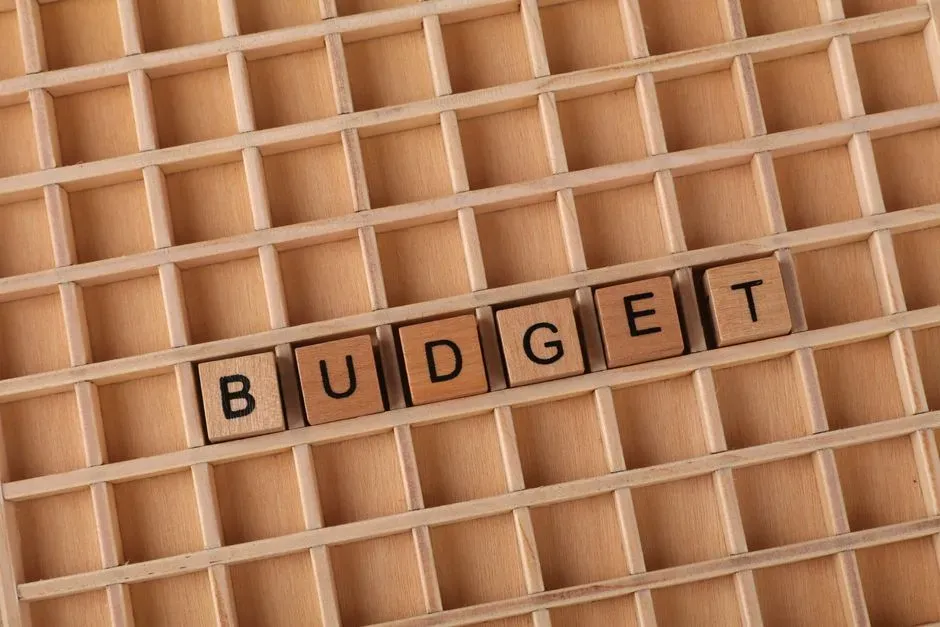
It turns budgeting into maintenance instead of a crisis response (Image Credits: Pexels)
One of the more useful reframes from financial educators is treating budget reviews the way you’d treat any other routine upkeep, not something you only do when things go wrong. Strong budgeters treat reviews like routine maintenance: scheduled, expected, and calm. That framing matters because it removes the emotional charge that often surrounds checking a bank balance after a rough spending week.
It also acknowledges something budgeting apps sometimes gloss over: a budget isn’t a fixed document, it’s a living plan that needs regular adjustment. Budgets are not static plans, since income shifts, expenses vary, and energy and attention change over time, and habits help keep the system working when life becomes less predictable. Weekly check-ins are essentially how that adjustment happens in small, manageable doses rather than one overwhelming overhaul.
Small weekly actions compound in ways monthly reviews miss

Small weekly actions compound in ways monthly reviews miss (Image Credits: Unsplash)
Because a weekly cadence offers so many more touchpoints across a year, the opportunities for small wins multiply considerably. It creates 52 opportunities per year for course correction, compared to twelve with a monthly approach. Each individual adjustment might be trivial, a renegotiated subscription here, a category overspend caught early there, but the frequency is what gives them room to add up.
Financial writers who’ve tracked this over multiple years describe the accumulation effect directly. No single task is dramatic, but 52 small financial improvements per year compound into significant optimization. It’s a modest claim on its face, yet it captures something monthly or quarterly reviews structurally can’t replicate, simply because they don’t happen often enough to catch as much.
Households that skip it tend to see the same warning signs

Households that skip it tend to see the same warning signs (Image Credits: Pexels)
The flip side is instructive too. Households that let the habit lapse don’t usually notice a dramatic collapse right away, they notice smaller signs of drift first. Miss a few weeks of tracking, skip a review, or stop using automation, and the setup can start to slip. That slow slide is part of why weekly check-ins get credited so often, not because any single week is decisive, but because consistency is the entire mechanism.
This is also where the habit differs from more intense financial overhauls that people attempt in January and abandon by March. Financial success has very little to do with motivation or optimization, it really comes down to consistency in the small, boring actions you repeat week after week. Households that report the biggest gains tend to be the ones who treated the check-in as unremarkable, something built into a Sunday evening rather than something requiring renewed enthusiasm every time.
Final Thoughts

Final Thoughts (Image Credits: Unsplash)
None of this suggests a fifteen minute weekly ritual is a substitute for addressing bigger structural issues like stagnant wages or high housing costs, and it would be misleading to imply otherwise. What the evidence does support is narrower and more grounded: for households already managing a budget, checking in weekly rather than monthly seems to catch problems earlier, ease financial tension between partners, and turn vague anxiety into something more like quiet confidence.
It’s not a flashy fix, and that’s probably the point. The households who talk about it most positively rarely describe a single breakthrough moment. They describe fifty two small ones, spread out over a year, that they almost stopped noticing as effort at all.