
Every renovation starts the same way: with a number in mind and a plan that feels solid. Then the walls come down, and that plan meets reality. Some homeowners sail through close to their original estimate. Others watch the number climb until it barely resembles what they started with, and the difference between the two groups usually traces back to something decided long before a single hammer swung.
The renovation numbers behind every overspend
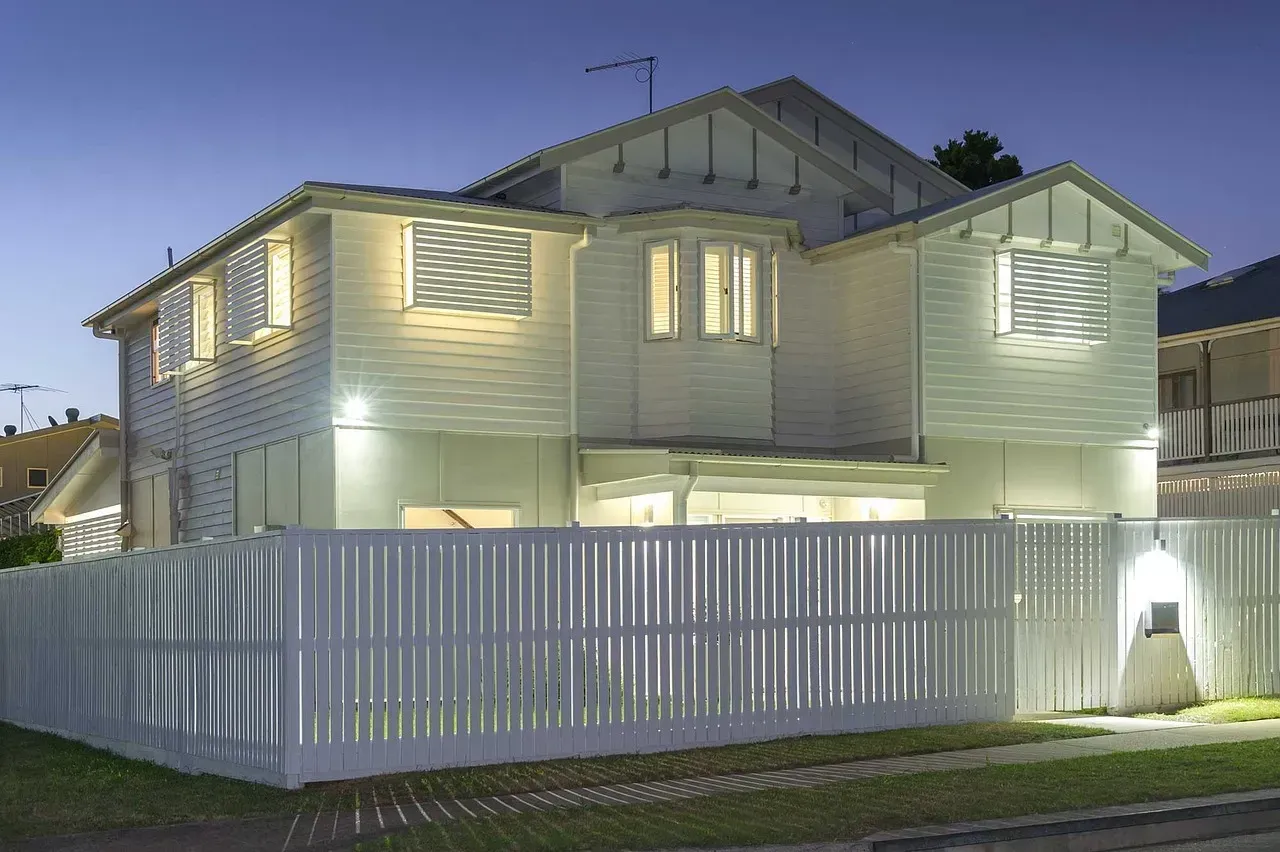
The renovation numbers behind every overspend (Image Credits: Pixabay)
Renovation activity has stayed remarkably steady even as the broader housing market has cooled. More than half of homeowners (54%) report renovating, while a slightly smaller share (52%) reports decorating, down from 54% in 2024, and the share undertaking repairs (47%) remains consistent year over year. Spending has held its ground too, though not in the direction some might expect.
Spending patterns point to overall stability, with the median renovation spend holding at $20,000 year over year, following a peak of $24,000 in 2023. At the same time, the top end of the market is pulling in the opposite direction. Higher-end spending has increased, with the 90th percentile rising to $150,000 in 2025, up by 7% from $140,000 in 2024. That split tells its own story: most people are pulling back a little, while the households who go big are going even bigger.
The one decision: setting the contingency fund first

The one decision: setting the contingency fund first (Image Credits: Pexels)
Ask any contractor who has managed dozens of projects what separates the calm renovations from the stressful ones, and the answer rarely involves luck. Budget overruns most often trace back to decisions made or not made before the first contractor arrives. The single habit that shows up again and again among homeowners who finish close to budget is setting aside a dedicated contingency fund before demolition even starts.
This isn’t a vague mental buffer. Experts generally recommend setting aside 10% to 20% of your total renovation budget as a contingency fund for unexpected expenses, giving a buffer to cover surprises without derailing the entire project. The homeowners who never overspend treat that reserve as untouchable money, sitting in a separate account, waiting only for genuine surprises rather than everyday temptations.
Why winging it costs more than it saves
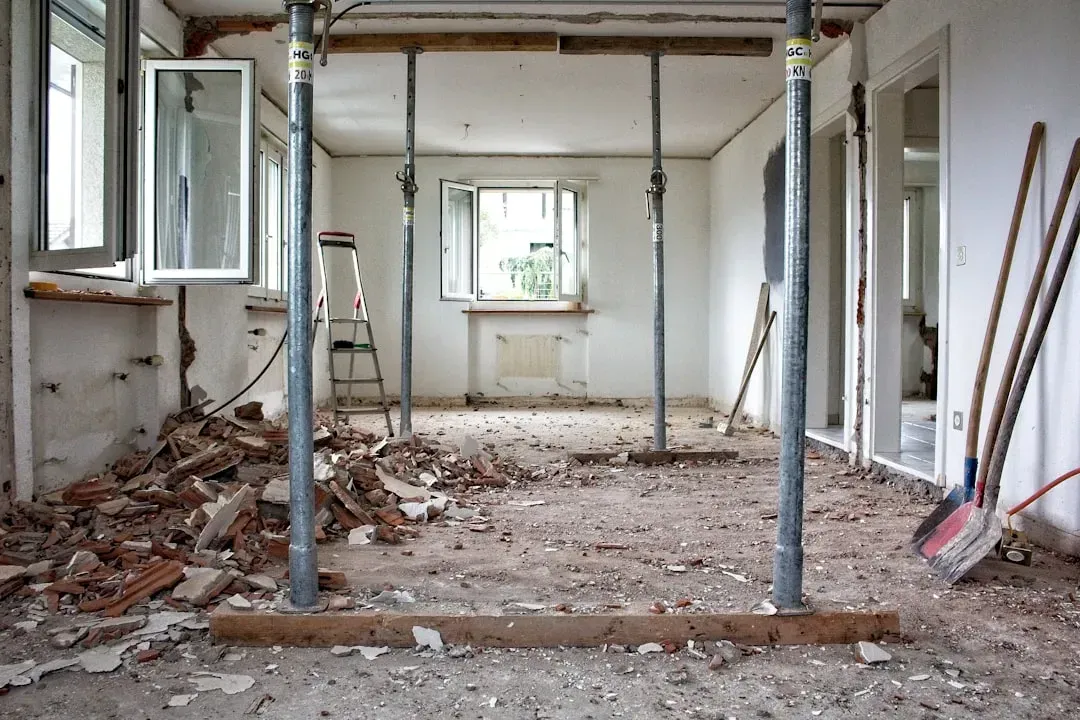
Why winging it costs more than it saves (Image Credits: Unsplash)
A surprising share of renovators skip the budgeting step entirely, and the data suggests it rarely works out well. While three-quarters of homeowners (75%) set an initial budget, nearly 2 in 5 (37%) exceeded their set amount in 2025, slightly outpacing those who came in on target (35%). Meanwhile, a full quarter didn’t even attempt to set a number in the first place.
A quarter of homeowners did not set a budget for their project (25%). Without a starting figure, there’s nothing to measure against, and no clear signal for when spending has drifted too far. It’s the financial equivalent of driving without a speedometer: you might still get where you’re going, but you won’t know how fast the costs were moving until the bill arrives.
Locking in design decisions before demolition day

Locking in design decisions before demolition day (Image Credits: Unsplash)
The second half of that early decision involves more than just money. It’s about finishing the thinking before the physical work begins. Making all design decisions before demolition begins eliminates one of the largest sources of mid-project cost increases, since changes made after construction starts have ripple effects that compound throughout the final invoice.
Contractors see this pattern constantly with cost-plus contracts, where every change order adds friction and expense. Finalizing all design and material selections before construction starts prevents expensive, last-minute changes, and a solid plan combined with open communication with the contractor is the best defense against budget overruns. The homeowners who avoid overspending tend to obsess over samples, finishes, and layouts weeks in advance, not while a crew is standing around waiting for an answer.
The real reasons budgets blow up midway

The real reasons budgets blow up midway (Image Credits: Pexels)
It helps to know exactly what tends to push a project past its original number, because the causes are more predictable than they might seem. Among those who go over budget, higher-than-expected costs for products or services is the most common factor (52%), with other drivers including selecting higher-end materials than originally planned (35%), unanticipated project complexity (32%), changes in project scope or design (31%) and construction-related issues (22%).
Notice how many of those causes are choices rather than accidents. Upgrading materials mid-project or expanding the scope isn’t bad luck, it’s a decision made after the fact. 35% intentionally chose products or materials that were more expensive than initially planned, and 31% expanded the scope of their project midrenovation, indicating that satisfaction with the results sometimes outweighs cost. That’s a fair trade for some people, but it’s a very different situation from being blindsided by rot behind a wall.
Older homes, bigger reserves
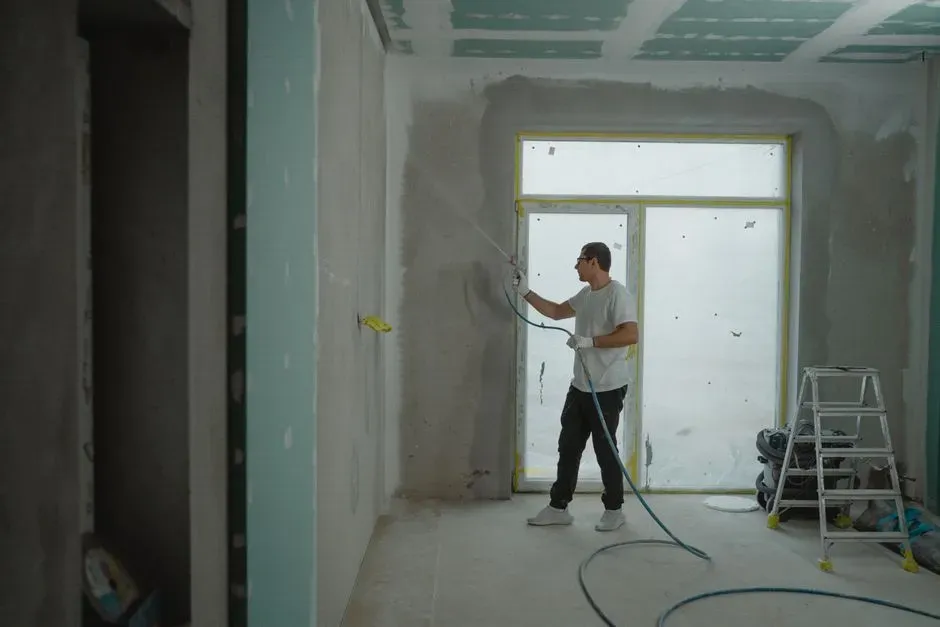
Older homes, bigger reserves (Image Credits: Pexels)
Not every home carries the same level of risk, and the smartest early decision accounts for that difference. Homes with unknown wiring, plumbing, or framing behind the walls simply have more room for expensive surprises. The percentage you choose depends on your home’s age and condition, a newer home with well-documented systems might warrant 10%, while an older home with unknown history behind the walls calls for closer to 20%.
This is why a flat, one-size-fits-all approach to budgeting tends to fail. For projects with higher uncertainty, such as renovating older properties, a contingency closer to 15-20% is advisable, while for more predictable projects, 10% might suffice. A hundred-year-old farmhouse and a ten-year-old suburban build simply do not carry the same odds of hidden trouble, and the reserve fund should reflect that from day one.
How financing choices made early shape the ending

How financing choices made early shape the ending (Image Credits: Unsplash)
The way a renovation gets paid for is itself part of that early decision, and it shapes how much flexibility a homeowner has when surprises show up. Most people still lean on savings, but the mix is shifting in a way worth watching. While the majority of homeowners (84%) continue to rely on savings to fund renovations, more than a third (34%) use credit cards, with the percentage up by 5 points year over year.
Bigger projects tend to draw on a wider range of funding sources, which can either add flexibility or add risk depending on how it’s managed. Those with budgets higher than $50,000 turn to diversified funding sources, such as home equity loans (23%) and cash from a home sale (20%), more frequently than those with lower budgets. The homeowners who stay on budget tend to decide upfront which of these sources they’ll actually tap if the contingency fund runs dry, rather than figuring it out mid-project under pressure.
The high spenders who still stay disciplined
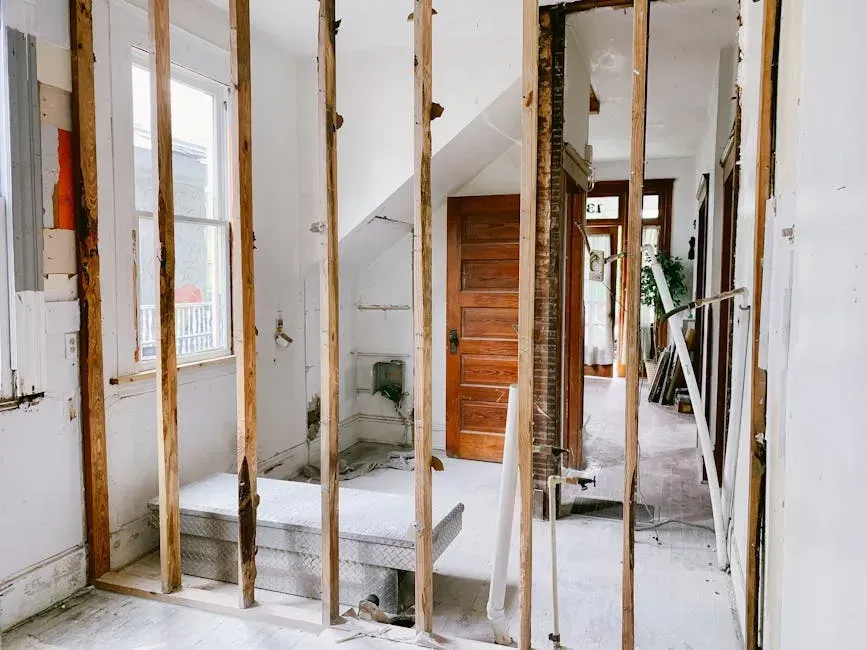
The high spenders who still stay disciplined (Image Credits: Pexels)
It would be easy to assume that bigger budgets mean bigger overruns, but the data doesn’t fully support that. Even as top-tier spending climbs, there’s evidence of restraint creeping back in among some of the wealthiest renovators. Homeowners in the top spending tier plan renovation budgets of $80,000, which actually represents a $5,000 decrease from the prior year, showing that even high-end renovators are pulling back slightly.
That pullback suggests something important: discipline isn’t just for people working with modest budgets. Even households with room to spend freely are choosing to set firmer limits before committing. It reinforces the idea that the early decision about structure and reserves matters more than the size of the check being written.
What a contingency fund actually buys you

What a contingency fund actually buys you (Image Credits: Unsplash)
The real value of setting money aside early isn’t just financial cushioning, it’s decision-making power in the moment. When something unexpected turns up, a prepared homeowner can respond immediately instead of scrambling. When unexpected issues arise and contingency funds are available, a contractor can address problems immediately, but without reserved funds, work stops while financing gets arranged, and these delays compound costs through extended labor.
There’s also a psychological benefit that’s easy to overlook. Contingency funds give homeowners decision-making power, letting them choose what is right for their home rather than what is cheapest in the moment. That’s the quiet difference between a renovation that feels like a series of crises and one that feels like a project moving steadily toward completion.
Final thoughts

Final thoughts (Image Credits: Unsplash)
None of this comes down to luck or unusually generous budgets. The homeowners who consistently avoid overspending are the ones who treat the planning phase as seriously as the construction phase itself. They set a separate reserve before anything gets demolished, they finalize their choices before the crew shows up, and they know in advance exactly what they’ll do if something unexpected surfaces.
That single early decision, more than any specific tile choice or contractor negotiation, tends to determine whether a renovation ends close to its original number or drifts far past it. It’s a small piece of discipline applied at the very beginning, and it pays off for the entire length of the project.