
There’s a paradox buried in the way we talk about history. We celebrate the loudest voices, the most dramatic movements, and the generations defined by protest and upheaval. Yet if you trace the roots of lasting change far enough back, you often find quieter people who built the foundations everyone else stands on. Their influence didn’t arrive with fanfare. It arrived slowly, through the lives they shaped, the values they passed down, and the work they did before anyone was watching.
The concept of a “quiet generation” is rarely complimentary when it’s first applied. It tends to mean overlooked, understated, or even dismissed. Yet history keeps revising that judgment. Generations labeled as reserved or unremarkable have a persistent habit of producing the ideas, artists, institutions, and ethical frameworks that reshape everything that follows. The question worth asking is not whether quiet generations matter, but why we keep underestimating them while they’re still here.
The Silent Generation: Misnamed from the Start

The Silent Generation: Misnamed from the Start (Image Credits: Pexels)
The Silent Generation refers to people born roughly between 1928 and 1945, nestled between the hardships of the Great Depression and the end of World War II. Unlike the loud and proud Boomers who followed, this generation earned the nickname "Silent" not because they lacked opinions, but because they were raised to value discretion, humility, and quiet strength. The label stuck, but it was always a partial truth at best.
Many became the backbone of post-war progress, quietly pushing for change, building stable families, and living with a sense of duty that's rare in today's fast-paced world. Despite being labeled as "silent," they laid the groundwork for everything from the civil rights movement to economic booms. Their restraint, it turned out, was a strategy rather than a limitation.
The Art of Working Within the System to Change It
The Art of Working Within the System to Change It (Image Credits: Unsplash)
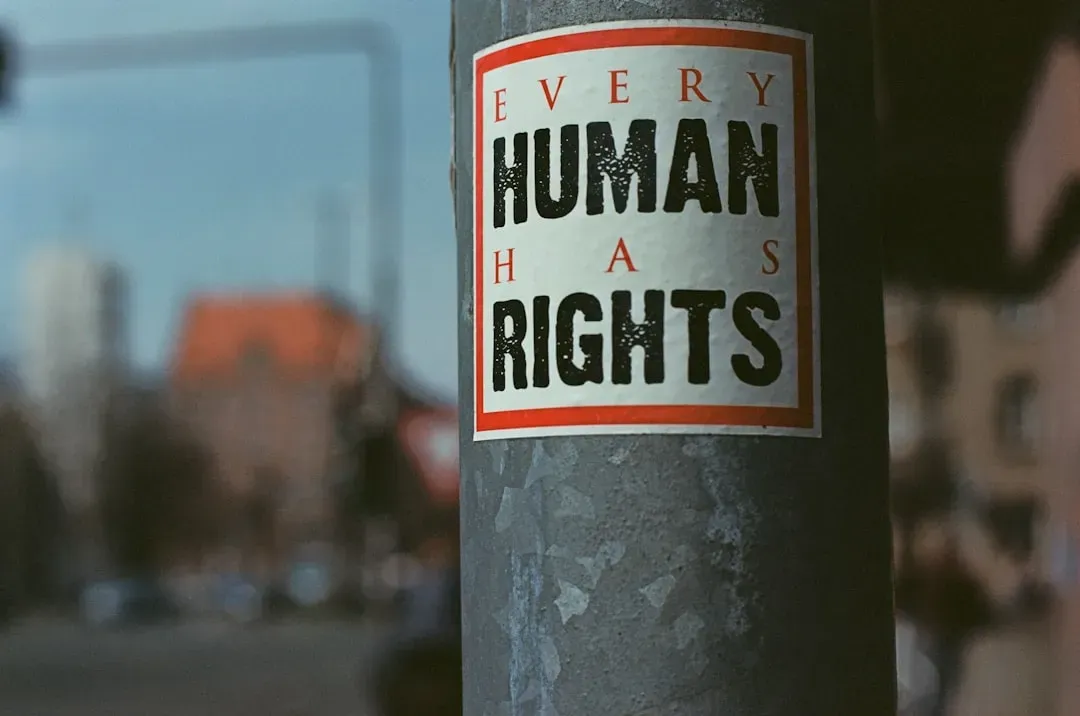
While the Boomers often get credit for the Civil Rights Movement, it was the Silent Generation that laid much of the groundwork. They were the quiet soldiers of social justice – teachers, preachers, journalists, and lawyers who fought discrimination long before it was mainstream to do so. This is a distinction that gets lost in popular retellings of that era.
Despite their name, the Silent Generation made significant contributions across various fields. In politics, figures like John F. Kennedy and Martin Luther King Jr. emerged, emphasizing civil rights and social change. In the realm of arts and culture, many Silent Generation artists and writers challenged existing narratives and introduced new perspectives, influencing future generations. Their approach was not to tear the system down from the outside but to change it from within, methodically and persistently.
Bob Dylan and the Power of Poetic Disruption
Bob Dylan and the Power of Poetic Disruption (Image Credits: Unsplash)
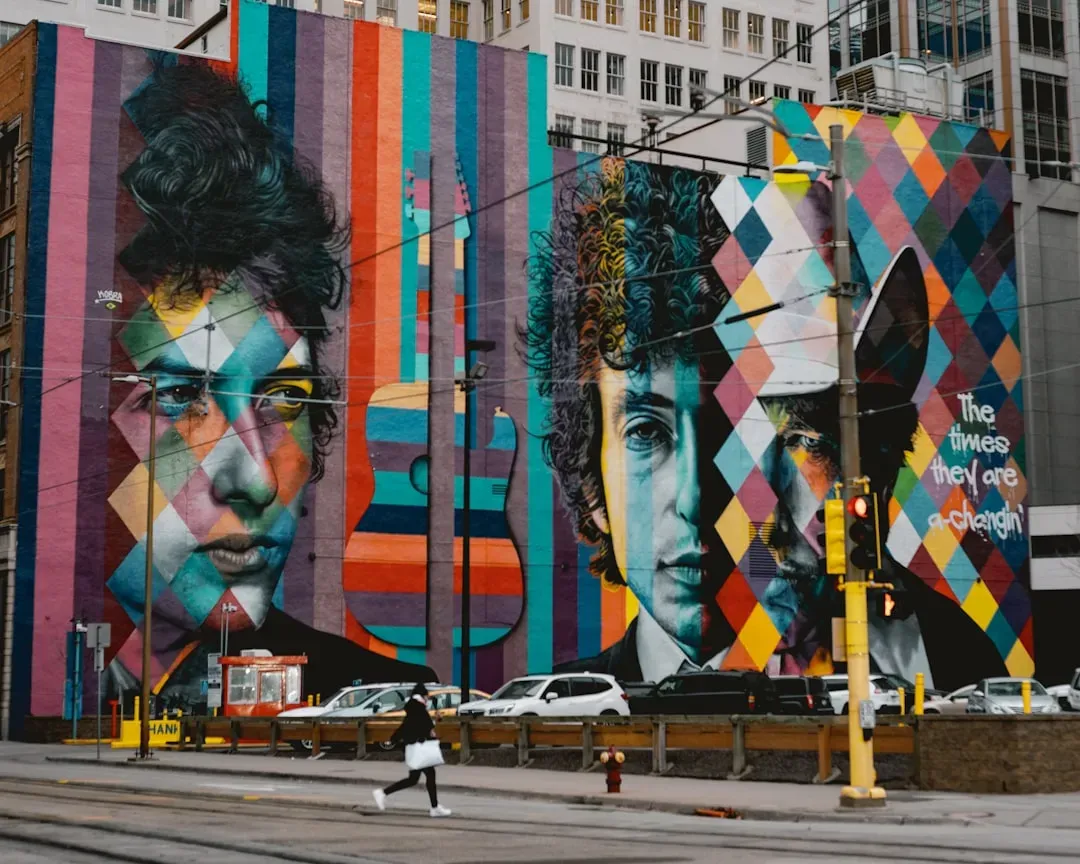
Born Robert Allen Zimmerman on May 24, 1941, in Duluth, Minnesota, Bob Dylan became one of the most iconic and influential figures in modern music and culture. With a career spanning more than 60 years, Dylan continually reinvented himself, blending folk, rock, blues, and country in ways that defy categorization. Known for his poetic, often politically charged lyrics and his distinctive, raw vocal delivery, Dylan's work transcended the boundaries of music, making him a profound voice of social and political change.
His Nobel Prize in Literature, awarded in 2016, recognized his contributions as both a musician and a poet. Dylan's legacy is evident in the work of modern artists who cite him as a significant influence. From Bruce Springsteen to Kendrick Lamar, his impact spans genres and generations. A man born into one of history's so-called "quiet" generations ended up shaping the soundtrack for every generation that came after him.
Maya Angelou: Silence That Became a Global Voice
Maya Angelou: Silence That Became a Global Voice (Image Credits: Flickr)
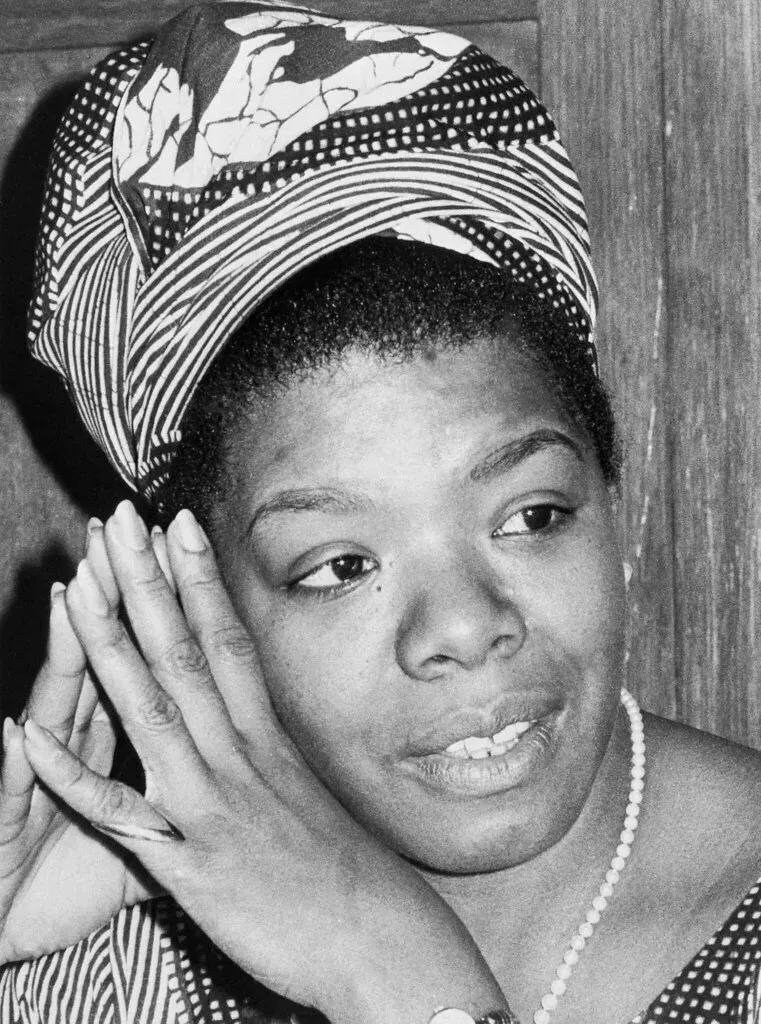
As a child, Maya Angelou was traumatized by abuse. For five years, she was silent, but in time, she found her voice, and that voice has been heard around the world. A single mother at age 16, she embarked on a remarkable career as an actress and entertainer, as a journalist, educator and civil rights activist, and finally, as one of the world's most eminent authors and poets. The arc of her life is itself a study in how silence can precede extraordinary impact.
Maya Angelou's writing was instrumental in giving voice to the experiences of African Americans. Her work explored the complexities of racism, identity, and personal empowerment, challenging societal norms and stereotypes through her poetry and autobiographies. Angelou's work has inspired new generations of writers and artists, who continue to draw on her legacy and explore the themes and issues she addressed in her writing. Few writers of the 20th century left a deeper impression on those who came after.
The Beat Writers: Rebellion Dressed as Literature

The Beat Writers: Rebellion Dressed as Literature (Image Credits: Unsplash)
The Beat movement of the 1950s was a literary and cultural rebellion against post-war conformity, materialism, and mainstream values. Several of the movement's key figures belonged to the Silent Generation, and their influence on the counterculture decade that followed was enormous. They built the intellectual kindling before the Boomers struck the match.
Notable writers of the Silent Generation include Pat Conroy, Margaret Atwood, Toni Morrison, Cormac McCarthy, Thomas Pynchon, Maya Angelou, Erica Jong, and Joan Didion. These authors were known for "making noise" through deep, thought-inspiring literature, often contesting the "silent" label applied to their generation. Their books didn't just sell well. They became the moral and cultural vocabulary of generations who never lived through what those writers had witnessed.
Passing Down Financial Resilience

Passing Down Financial Resilience (Image Credits: Pexels)
Having come of age during the Depression and early post-war recovery, the Silent Generation learned how to stretch every dollar. Waste was not an option. They reused, repurposed, and saved for the future. Credit cards weren't commonplace yet, and if they couldn't afford something, they waited. This wasn't frugality for its own sake. It was a philosophy built from necessity that hardened into principle.
Their minimalist habits and financial caution allowed many of them to retire comfortably and weather economic downturns without panic. That's a form of financial wisdom we often overlook in today's buy-now-pay-later culture. The children and grandchildren who absorbed those habits, even partially, found themselves better equipped to navigate economic instability than those who never received that quiet lesson.
Generation X: The Silent Disruptors of the Modern Age

Generation X: The Silent Disruptors of the Modern Age (Image Credits: Pexels)
While not known for bold proclamations or hashtags, Gen X's influence is undeniable. They are the steady hands steering organizations through periods of transition, whether by adopting cutting-edge technologies or fostering flexible work cultures. Born between roughly 1965 and 1980, Generation X arrived after the Boomers and before the Millennials, which meant they were perpetually sandwiched and perpetually underestimated.
Their legacy will be defined by the quiet yet powerful ways in which they disrupted industries, reshaped workplace cultures, and adapted to the technological transformations that now drive our world. Often dubbed the "silent generation" of the modern age, Gen X's influence is rooted in pragmatism, resilience, and a remarkable ability to balance tradition with innovation. They didn't demand credit. They simply kept building the architecture that Millennials and Gen Z now inhabit.
The Psychology of Legacy and Long-Term Thinking

The Psychology of Legacy and Long-Term Thinking (Image Credits: Unsplash)
Critical issues in society today involve long time horizons and multiple generations of people. A central challenge in intergenerational decisions is that the interests of present and future generations are not always aligned. Research on intergenerational decisions has sought to identify the key features of those decisions, the central barriers to intergenerational beneficence, and the variables that lead people to act on behalf of future generations.
While present-favoring biases prevail in typical displays of intergenerational concern, some people feel exceptional levels of concern for near and distant future generations alike. In six studies with pre-registered designs and hypotheses, researchers mapped the personality characteristics of intergenerational concern. Those most concerned for future generations exhibit prosocial traits including open-mindedness, conscientiousness, and honesty-humility. Quiet generations, shaped by hardship and duty, often possessed precisely these traits in abundance.
Why Restraint Travels Further Than Noise

Why Restraint Travels Further Than Noise (Image Credits: Pexels)
Perhaps the most enduring lesson from the Silent Generation is their quiet strength. They didn't broadcast their struggles or seek sympathy. Instead, they bore hardship with a kind of stoic grace. Whether it was war, economic hardship, or personal loss, they kept going. Stoicism, it turns out, is one of the most transmissible values across generations, precisely because it asks nothing of the recipient except observation.
Connecting with others across generations adds a powerful layer of benefits. Young people and older adults have an opportunity to leverage intergenerational relationships to improve cognitive function, increase empathy, and live longer lives. The quietest generations created those connections not through campaigns or social media, but through proximity and sustained presence. That kind of influence doesn't make headlines, but it shapes lives in ways that outlast any news cycle.
The Enduring Pattern Across History
The Enduring Pattern Across History (Image Credits: Unsplash)
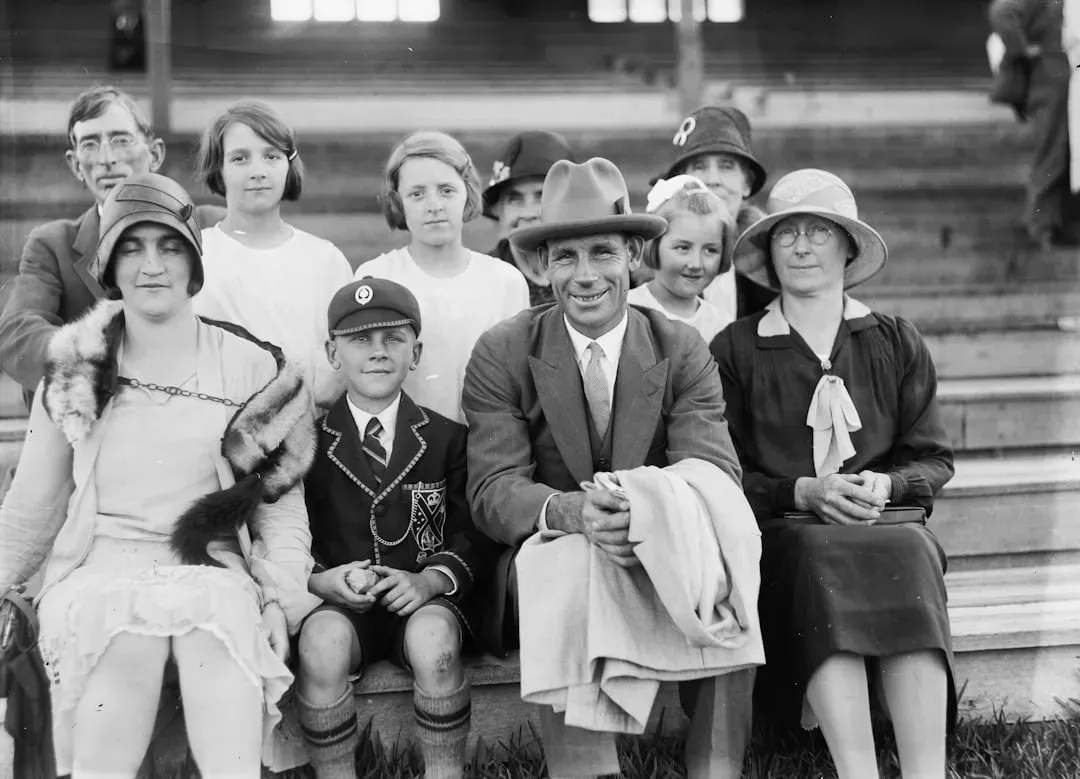
Generational identity refers to the collective grouping of individuals born within a specific time frame, sharing similar formative experiences that influence their worldview and behaviors. This range typically spans about 15 to 20 years, delineating groups such as the Silent Generation, Baby Boomers, Generation X, Millennials, Generation Z, and Generation Alpha. Each cohort reflects distinctive cultural markers that can be linked to historical events, technological changes, and shifts in social norms.
Their lives were full of quiet heroism, enduring wisdom, and foundational values that have shaped every generation since. They showed us how to survive hard times with grace, how to work without complaint, and how to serve without fanfare. They believed in building rather than broadcasting, in doing rather than demanding. That contrast, between those who build and those who announce, keeps reappearing in history. The builders tend to win the longer argument.
Every generation eventually gets re-evaluated. The ones written off as too quiet, too measured, or too unglamorous for their time often turn out to be the ones who gave the next generation its language, its ethics, and its foundations. Silence, as it happens, can be one of the most durable forms of influence there is.