
Most of us are careful about the impression we make. We choose our words thoughtfully, dress for the occasion, and generally try to present a polished version of ourselves to the people who matter. What we rarely think about, though, is the unguarded moment that reveals far more than any curated performance ever could: the five minutes between being seated and placing an order.
The restaurant table is an unusually honest environment. There’s a person in front of you who you’ll likely never see again, who has no power over your career, your reputation, or your social standing. These interactions happen when no reward is at stake. No one’s keeping score. There’s no social benefit, no prestige, no status gain, which means the behavior comes from the real self, not the curated version most people present to the world. That’s precisely why watching someone with a waiter is so instructive.
The Science Behind the "Waiter Rule"
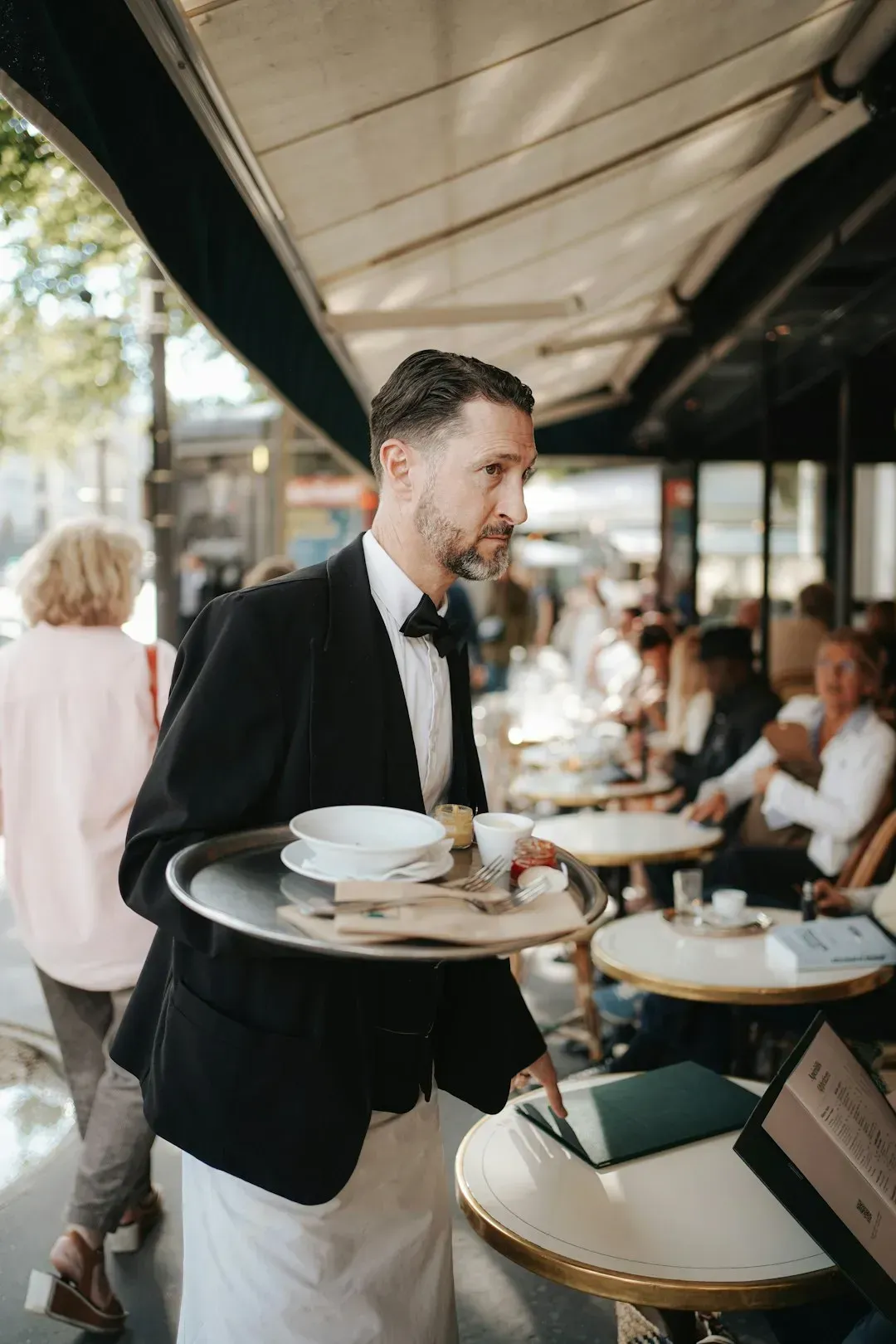
The Science Behind the "Waiter Rule" (Image Credits: Unsplash)
There are quite a few CEOs who have admitted to using business meals to perform a very particular test. It’s come to be known informally as “The Waiter Rule,” and the logic is straightforward: how a person behaves toward someone who can’t benefit them is one of the clearest windows into their actual character.
How you treat waiters is one of the few social situations where you more or less have social permission to not be nice. Since there’s that social permission, people’s inner “not nice” person tends to come out more often than not. That’s what makes it such a reliable signal. The absence of social pressure strips away performance.
Low-Stakes Moments Expose the Real Person
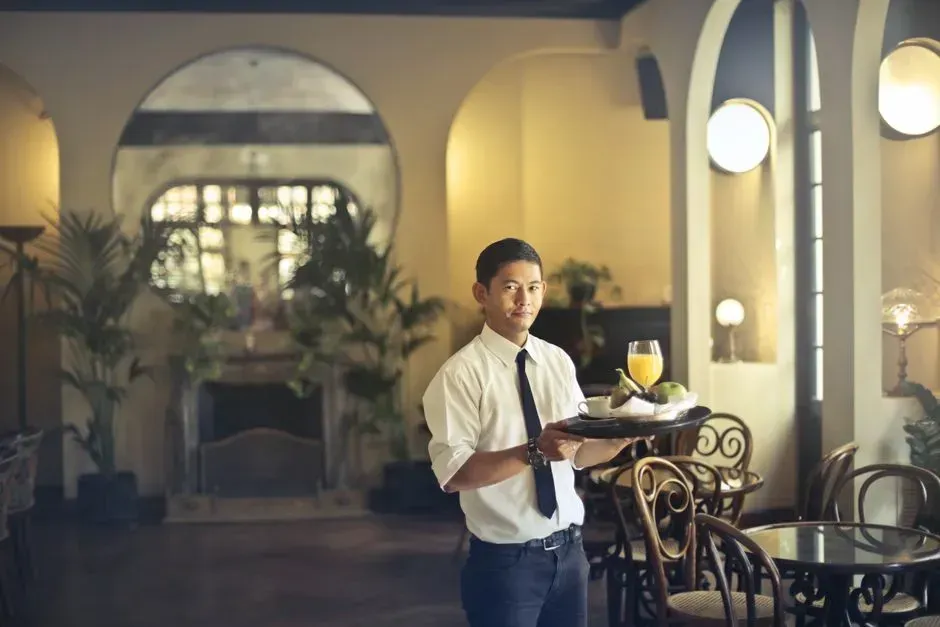
Low-Stakes Moments Expose the Real Person (Image Credits: Pexels)
Small-scale power often exposes a person’s true moral center more clearly than dramatic situations ever could. Why? Because low-stakes environments don’t trigger self-monitoring. People relax into their natural tendencies. A job interview or a first date keeps people on guard. Dinner with a waiter does not.
It’s often everyday actions that reveal the most honest clues about who people are. Unlike carefully chosen words, spontaneous behavior usually comes straight from the heart. Experts find that watching how people treat service workers offers a window into their empathy and social awareness. The restaurant, in this sense, is an accidental personality test that nobody signed up for.
What Rudeness Actually Signals

What Rudeness Actually Signals (Image Credits: Unsplash)
Those that treat waiters poorly the majority of the time have a judging personality. They see the waiter as inferior based on their job role. They speak to the waiter in a condescending manner, perhaps even snapping their fingers to get the waiter’s attention. This isn’t just a matter of bad manners. It reflects something more structural in how someone sees the world.
Those people who are rude to waiters and speak in a condescending manner tend to not be collaborative. They are not team players. The implication carries well beyond the dinner table. Someone who defaults to condescension when they hold even minor power over another person will almost certainly do the same in professional and personal relationships.
The Kiss-Up, Kick-Down Pattern
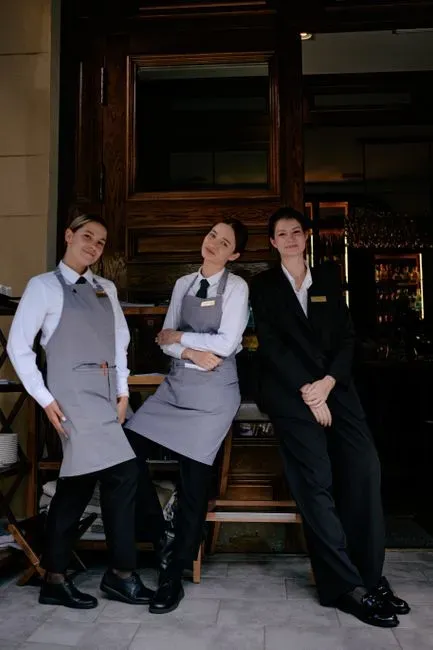
The Kiss-Up, Kick-Down Pattern (Image Credits: Pexels)
A particularly damaging pattern, known as “kiss up, kick down,” describes the way some individuals ingratiate themselves with superiors while mistreating subordinates. In hierarchical settings, this dynamic can reinforce the bully’s authority while isolating or disempowering their targets, creating a hostile environment that diminishes team cohesion. You see an early preview of this pattern in how someone behaves at a restaurant.
Service workers, administrative staff, and subordinates see a very different version of certain people than their senior-level colleagues do. This differential treatment is one of the most reliable diagnostic signals. It’s a pattern that shows up across workplaces, relationships, and social contexts, and it almost always starts somewhere small, like a dismissive wave at a waiter.
Kindness Without Benefit Is the Real Test
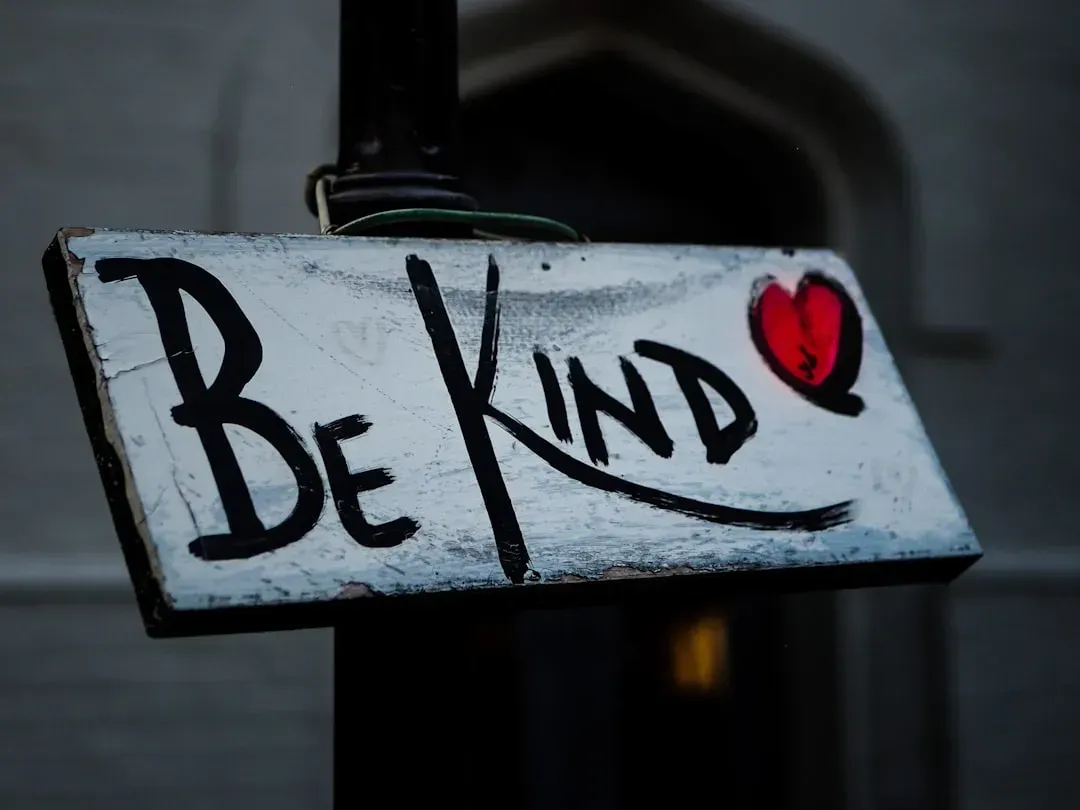
Kindness Without Benefit Is the Real Test (Image Credits: Unsplash)
Someone who only behaves well when they stand to benefit isn’t practicing kindness. They’re practicing calculation. This is a critical distinction, and it’s one that’s genuinely hard to spot unless you’re watching someone in a context where they have nothing to gain.
When someone’s kindness extends to every interaction, especially where there is no tangible benefit, it becomes clear that kindness is woven into their identity, not used as a tool. That’s the real signal. Consistent warmth toward people who can offer nothing in return isn’t politeness. It’s character.
What Emotional Labor Costs Waiters

What Emotional Labor Costs Waiters (Image Credits: Pexels)
Emotional labor refers to managing one’s emotions to fulfill the emotional requirements of a job. For waiters, this involves maintaining a friendly, accommodating demeanor even when faced with difficult customers, rude behavior, or personal fatigue. This constant regulation of emotional expression can lead to emotional exhaustion if not managed properly. The smile you receive at the table is often the result of real mental effort.
Occupational psychology research indicates that high job demands combined with low control, which are common in waiting jobs, are associated with increased stress and health problems. The Job Demand-Control model suggests that when workers face high demands but lack autonomy, their risk of burnout and psychological distress rises. Rude customers aren’t just unpleasant. They’re adding a measurable cost to another person’s wellbeing.
Empathy and Its Absence at the Table
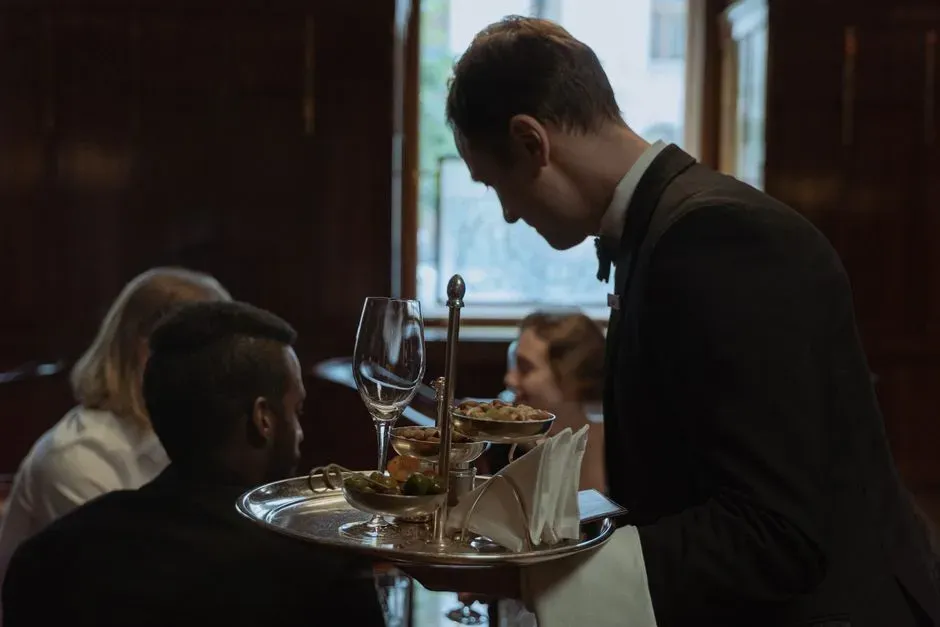
Empathy and Its Absence at the Table (Image Credits: Pexels)
When a person consistently treats service workers with kindness and respect, it reveals a lot about their true character. Good character isn’t about grand gestures. It’s about small, everyday actions that show humility and empathy. The way someone interacts with people in service roles reflects their values, patience, and self-control. None of this is complicated. It’s just rare enough to be notable.
People who show genuine respect to service workers recognize that respect isn’t currency you spend based on someone’s job title. They understand that the person bagging groceries deserves the same courtesy as their boss or their doctor. That kind of consistency is not taught in a workplace values seminar. It’s either there or it isn’t.
What It Reveals About Future Relationships
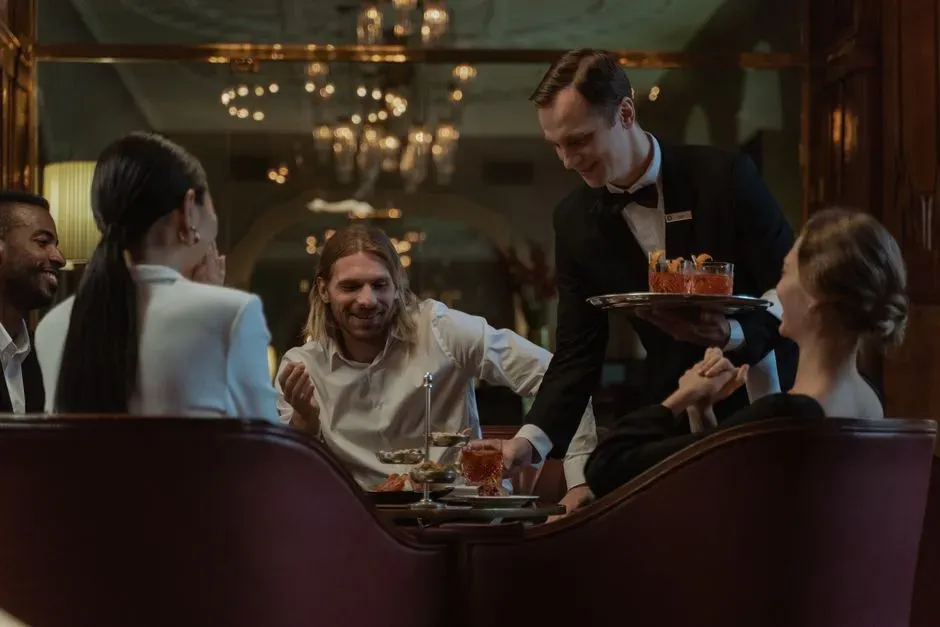
What It Reveals About Future Relationships (Image Credits: Pexels)
A person’s relationship with minor power often predicts how they’ll behave in long-term relationships, group dynamics, workplace settings, and moments of conflict. It reveals how they treat people they don’t need to impress, which is, ironically, the most accurate measure of who they really are. This is the part most people don’t see coming when they sit across from someone at dinner.
You learn more about certain individuals in those settings than from anything they said or did in a negotiation. In fact, you might not trust anything they say at the negotiating table after you’ve been with them at the dinner table. Character revealed over bread and water is harder to walk back than anything stated in a formal setting.
Why Genuine Decency Is Quietly Powerful
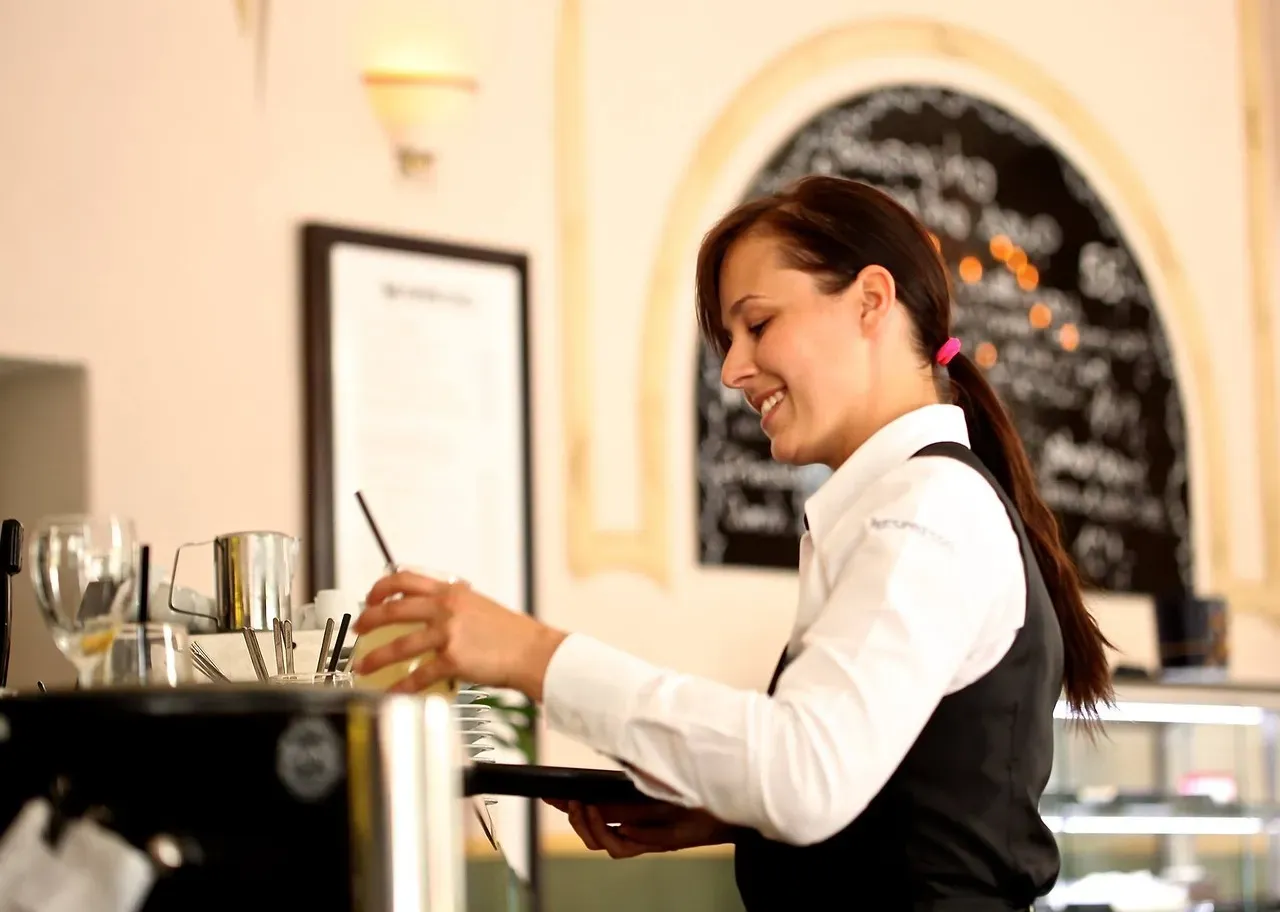
Why Genuine Decency Is Quietly Powerful (Image Credits: Pixabay)
The way someone treats service workers is like a window into their soul. It shows you who they are when they think no one important is watching, when there’s nothing to gain. People with good character don’t adjust their behavior based on the perceived status of who’s in front of them. That consistency is, in itself, a form of integrity.
True character is revealed when it’s inconvenient to show it. How someone treats service workers may seem like a small detail, but it speaks volumes about who they are. Good character isn’t about big displays or public recognition. It’s built in private moments, through everyday habits and choices. The restaurant table, unglamorous and ordinary, turns out to be one of the most honest places left.