
There is a certain moment many solo female travelers describe, usually somewhere between the first night in an unfamiliar city and the last morning of the trip, when something quietly shifts. The anxiety that came with booking alone fades, and what takes its place feels a lot like freedom. It is not a dramatic revelation. It is steadier than that, and more lasting.
What was once considered an unconventional choice has become a full-blown movement. Searches for solo female travel have increased fivefold since pre-pandemic levels, with a significant surge in 2025, and more than three-quarters of all solo travelers are women. That number is not a coincidence. It reflects something genuine about what travel alone actually does to a woman’s sense of herself, and why so many say they’d do it all over again.
The Numbers Behind the Movement
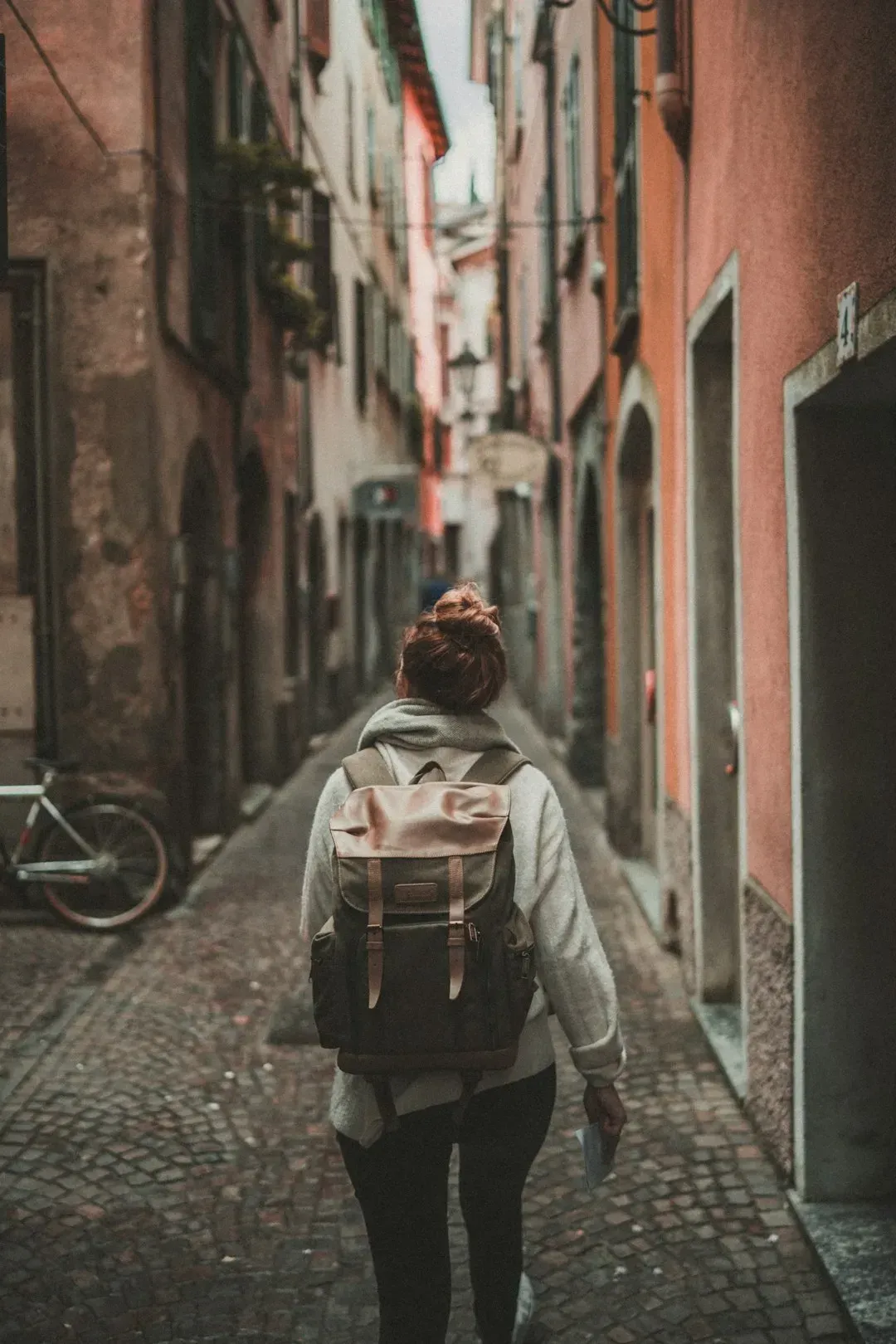
The Numbers Behind the Movement (Image Credits: Unsplash)
The global solo travel market was estimated at nearly half a trillion dollars in 2024 and is projected to reach over a trillion dollars by 2030. Women are driving that growth. Female solo travelers accounted for more than half of the overall solo travel industry’s revenue in 2025, driven by increased independence, changing societal norms, and tailored experiences.
Nearly forty percent of female travelers voiced interest in setting out solo in 2025, up eight percentage points from a year earlier, according to the tourism market research firm Future Partners. Women are leading the way for independent travel, with roughly eighty-four percent of solo travelers identifying as female. These figures tell a story of a shift that has been building for years and is now impossible to ignore.
Freedom and Flexibility Above Everything Else
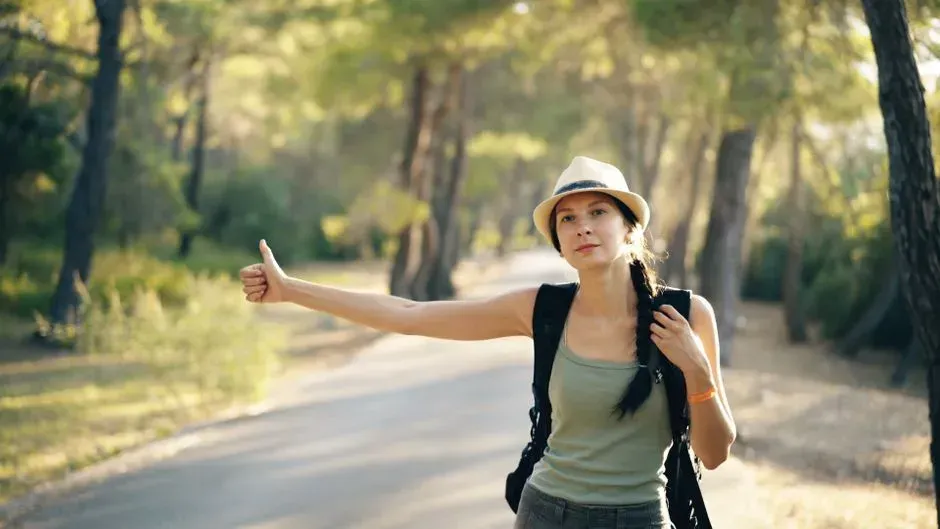
Freedom and Flexibility Above Everything Else (Image Credits: Pexels)
The main reasons women travel solo, consistently ranked since 2020, are freedom and flexibility, cited by the vast majority of respondents, followed by escape from routine and responsibilities, and the desire to relax and enjoy personal time. There is no partner negotiating the itinerary, no group consensus required on where to eat or how long to stay. The entire day belongs entirely to the woman who planned it.
Women increasingly view solo travel not as a compromise, meaning traveling without a partner, but as a deliberate choice offering freedom, self-discovery, and adventure that shared travel simply cannot provide. If they want to visit a place and plans do not align with friends or family, women are increasingly setting off on their own instead of staying home or postponing their travel plans until they find a travel partner. That shift in mindset is its own kind of liberation.
What It Does to Your Confidence
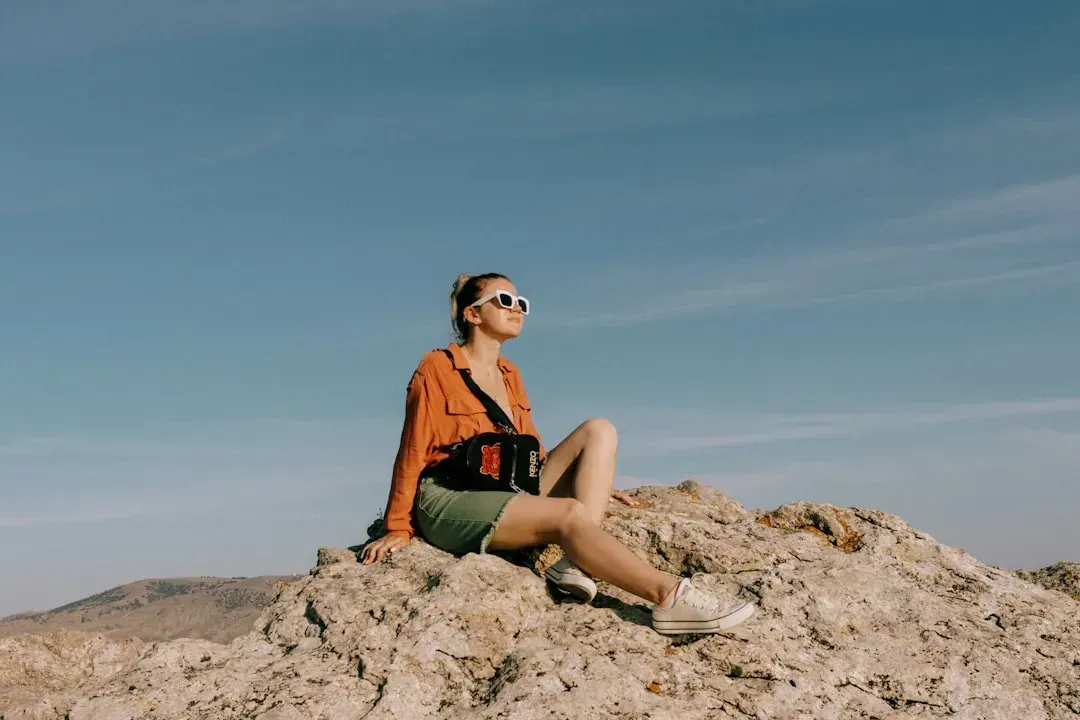
What It Does to Your Confidence (Image Credits: Unsplash)
Roughly three-quarters of solo female travelers say they travel alone specifically to challenge themselves and increase their confidence. That number holds up in practice. Research into the psychology of solo travel finds that solo travelers experience measurable improvements in self-efficacy, resilience, and interpersonal skills, alongside reductions in anxiety and stress.
Solo travel challenges navigational uncertainty, language barriers, unexpected situations, and solitude. Successfully managing these challenges builds confidence that extends far beyond the trip itself. For women who often worry about breaking from their routines or traveling without a partner, the first trip becomes more than a vacation. It becomes proof that you can trust your own choices.
The Surprising Effect on Mental Health
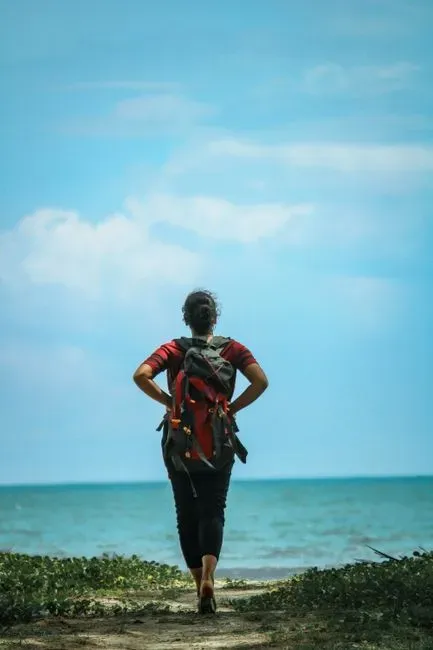
The Surprising Effect on Mental Health (Image Credits: Pexels)
Solo travel is good for mental health because it brings relief you can feel, less stress from constant compromise, more confidence from small wins, more clarity from quiet, and a stronger sense of self. Those are not abstract wellness concepts. They are practical, felt changes that women consistently describe after returning home.
Mental health benefits of solo travel include stress reduction, mindfulness cultivation, and routine disruption that improves emotional well-being. Resilience is built by successfully navigating challenges. Social skills are paradoxically enhanced through cross-cultural encounters, and cognitive benefits include improvements in creativity and problem-solving. The trip ends, but these gains tend to stay.
Self-Discovery That Happens Nowhere Else
Self-Discovery That Happens Nowhere Else (Image Credits: Pexels)
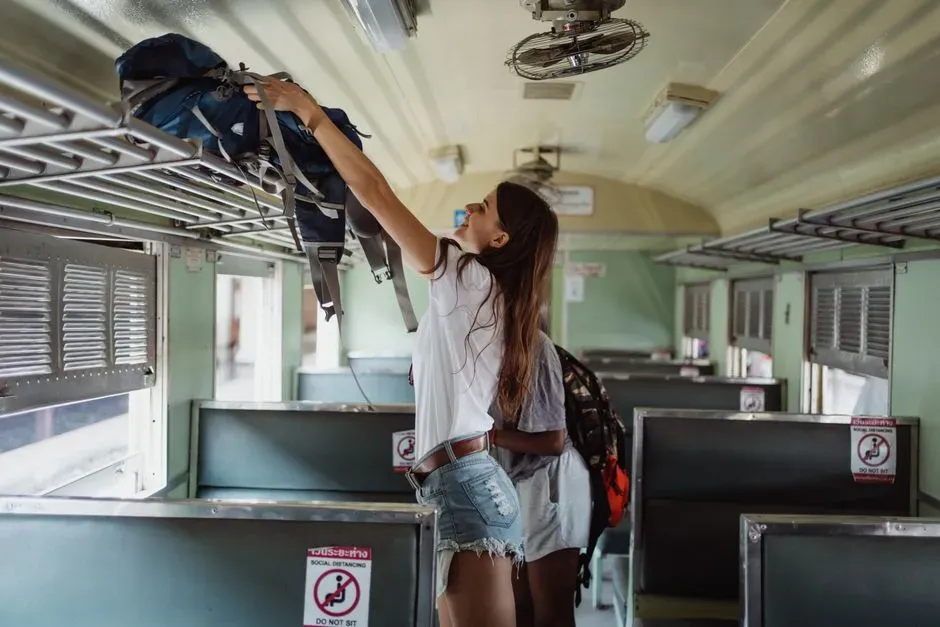
Solo travel accelerates self-knowledge by removing familiar social contexts and forcing authentic self-presentation. Without existing social roles, women discover core preferences untainted by relationship dynamics or family expectations. There is nowhere to hide behind someone else’s preferences, and that turns out to be enormously clarifying.
Women frequently report that solo travel enables them to discover what they genuinely enjoy versus activities they pursue to accommodate others or fulfill imagined obligations. This distinction proves transformative for post-travel life, enabling more authentic choices in relationships, careers, and lifestyle. Many women describe it as meeting themselves properly for the first time.
Loneliness Is Rarely What People Expect
Loneliness Is Rarely What People Expect (Image Credits: Pexels)
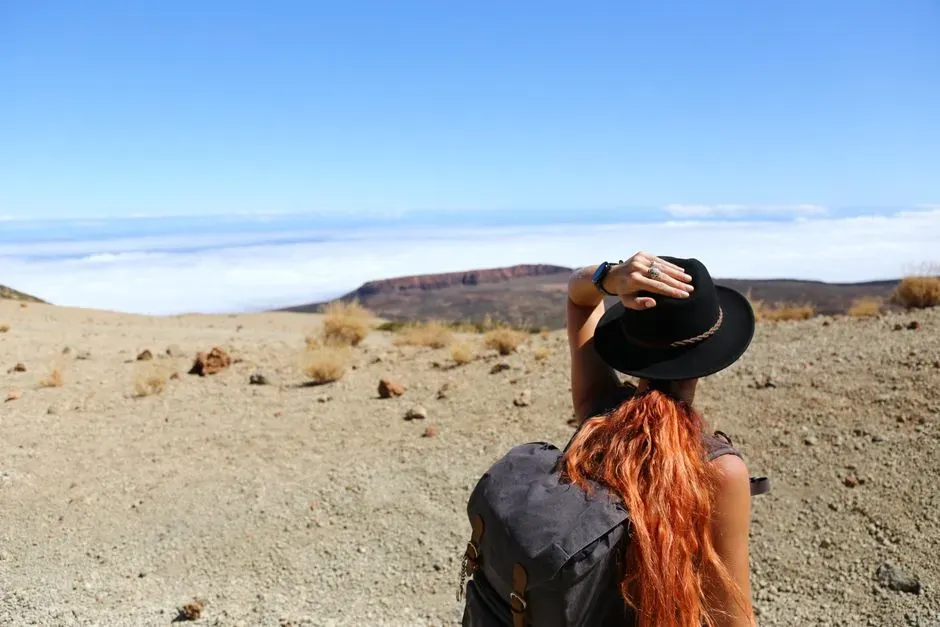
One of the most persistent fears before a first solo trip is the image of eating alone in a restaurant, feeling invisible and out of place. The reality tends to be different. Social interaction serves as a motivating factor for many solo female travelers, offering opportunities for meaningful social interactions and friendships that emerge naturally from the experience of traveling alone.
Popular female traveler meetups, such as those organized by Girls LOVE Travel on Facebook, boast over a million members, fostering a community-building travel culture. Online communities have turned solo travel into something far more connected, acting as a digital gathering place where women swap advice and plan spontaneous meetups that sometimes turn into lifelong friendships. The solitude, when it does arrive, tends to feel welcome rather than painful.
Safety Is Real, Manageable, and Improving
Safety Is Real, Manageable, and Improving (Image Credits: Pexels)
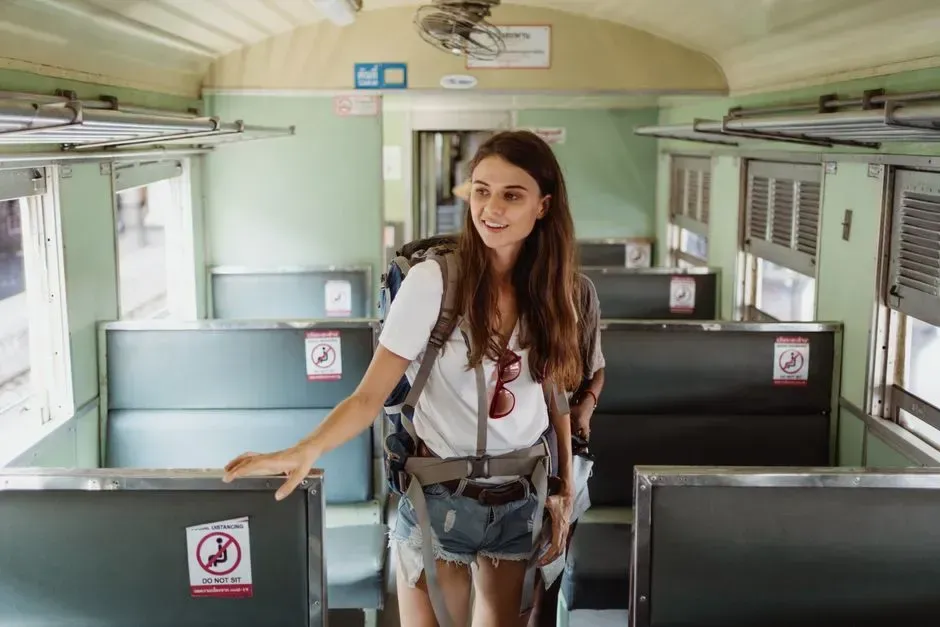
Safety is the concern that stops many women before they even begin, and it deserves a straight answer rather than false reassurance. Solo female travel in 2026 is safer than at any previous point in recorded travel history for travelers who choose the right destinations. The top-rated destinations, including Iceland, Denmark, Japan, Ireland, Portugal, and New Zealand, offer reliable public transport, low street harassment, strong legal protections, and easily accessible help.
Between seventy and eighty-four percent of women still list safety as a primary concern before solo travel. Yet the percentage of women who report feeling unsafe drops significantly after taking ten or more solo trips. Seasoned solo travelers understand the difference between real risks and imagined ones. Experience changes the calculus, and for most women, the first trip is the hardest part.
Where Women Are Going in 2026

Where Women Are Going in 2026 (Image Credits: Pexels)
Japan and Iceland continue to be the most desired bucket-list destinations among solo female travelers, the latter benefiting from its showcase as a destination to see the Northern Lights and the former from its deep cultural richness. Both consistently top safety rankings. Japan offers low crime rates, a high-courtesy culture, exceptional public transport, clear English signage in major cities, and women-only train carriages available on major commuter lines.
Portugal has emerged over the past decade as one of Europe’s most beloved destinations for solo female travelers. Lisbon and Porto are walkable, affordable relative to Western European capitals, and deeply welcoming of independent women travelers. The culture is warm without being overwhelming, and petty crime levels are low compared to other major European cities. Some women are even venturing into destinations that might have seemed intimidating in the past, such as Pakistan, Turkey, and Morocco.
Who Is Actually Doing It
Who Is Actually Doing It (MattHurst, Flickr, <a href="https://creativecommons.org/licenses/by-sa/2.0/" target="_blank" rel="noopener">CC BY-SA 2.0</a>)
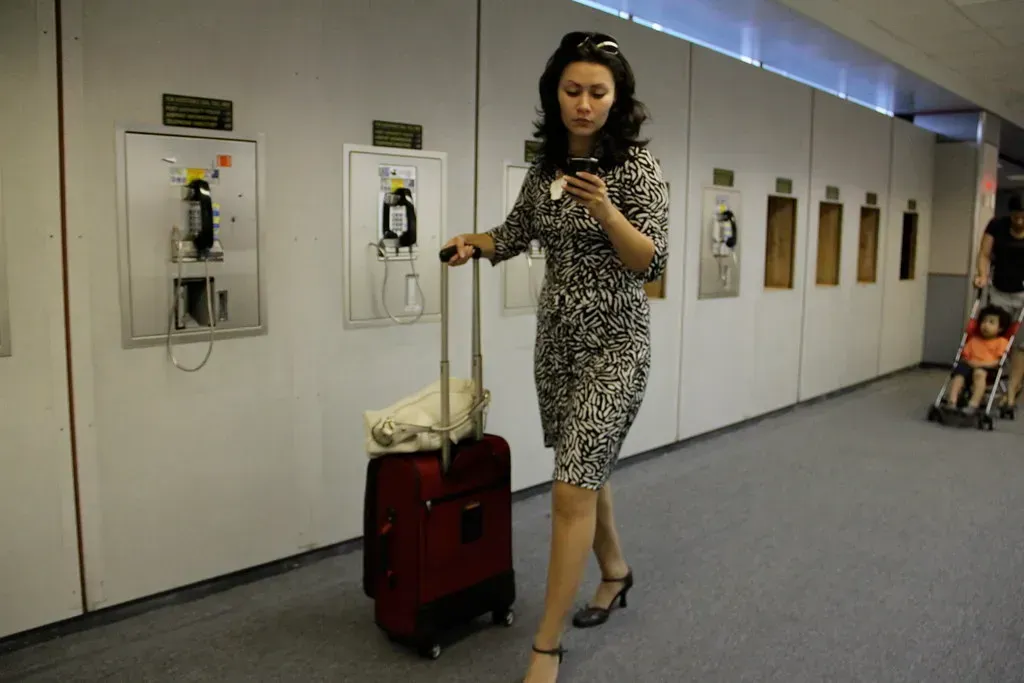
The solo female traveler is not one type of person. The demographic spans diverse age groups and life circumstances: young women post-university seeking adventure before settling into careers, mid-career women taking sabbaticals, divorced or widowed women rediscovering independence, and retirees with newfound freedom. The motivation differs, but the outcome tends to rhyme.
Research from Road Scholar revealed that up to eighty-five percent of solo tour participants are women, and at least sixty percent were married but traveling without their spouse. Tour operators, travel agents, and cruise lines report growing demand from solo female travelers, especially older women with disposable income and a clear sense of what they want from a trip. The industry has finally caught up to a market that was always there.
The Industry Is Catching Up Fast
The Industry Is Catching Up Fast (Image Credits: Pixabay)
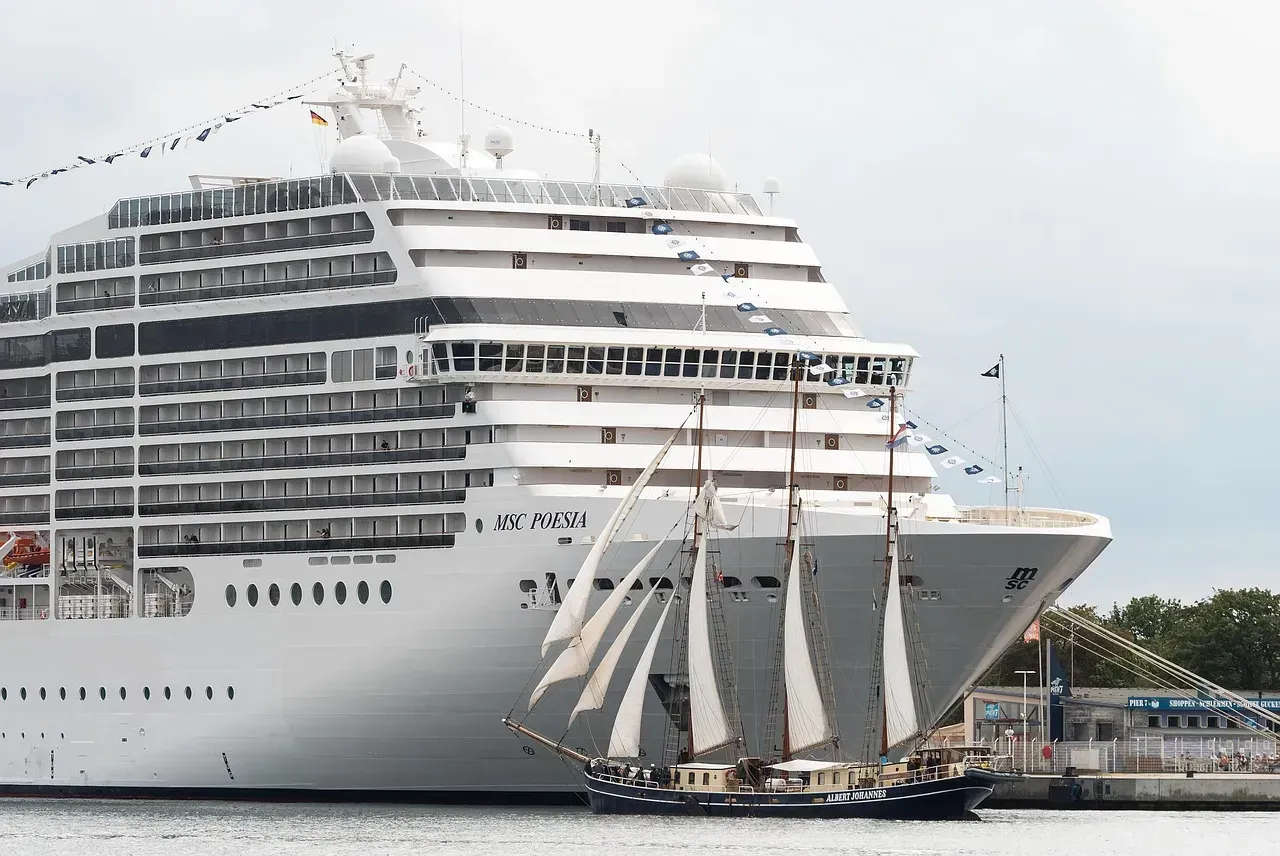
Uniworld River Cruises reported a thirty-one percent increase in solo guests between 2019 and 2023, and a sixty-one percent jump in female solo travelers over the same period. That kind of growth forces operators to adapt. Cruise lines are adding solo cabins and offering more ways to avoid single supplement fees. AmaWaterways, for example, removed that charge on select European river cruises in 2024.
In October 2025, Backroads announced a new Solo Room Savings initiative that cuts private room fees on over five hundred adventure trips around the world, making it easier and more affordable for individuals to join group biking, hiking, and multi-adventure tours without paying the usual high single-occupancy supplements. Hilton’s Annual Trends Report confirms this shift, noting that nearly half of travelers are already traveling on their own, so much so that Hilton incorporated solo travelers into the design of its hotels and restaurants.
What Comes Home With You
What Comes Home With You (Image Credits: Pexels)
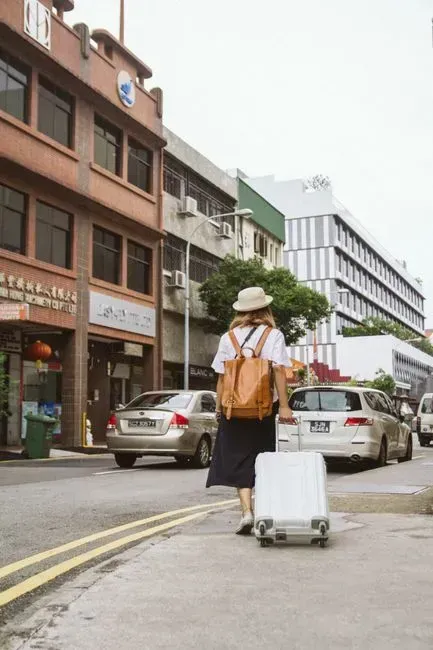
The benefits of solo travel extend beyond the trip itself. Women return with newfound perspectives and a sense of accomplishment that tends to touch every part of ordinary life. The woman who figured out a train system in Tokyo, who ate alone by a canal in Lisbon and genuinely enjoyed it, who navigated a problem without anyone else to defer to, is not quite the same person who left.
Solo journeys are becoming less about isolation and more about empowerment, self-discovery, and connection, and that reframing matters. The trip does not have to be long or far. It does not require a bucket-list destination or a perfectly planned itinerary. What it requires is the decision to go, which, for most women who’ve made it, turns out to be the best one they ever made for themselves.