
Grocery shelves look pretty much the same as they did a decade ago, but the label game has quietly shifted. Between new FDA rulings, state level bans, and a wave of fresh research on gut health, additives that once flew under the radar are now getting a hard second look from nutritionists and dietitians. Some of these ingredients sound harmless enough on a package, yet dietitians keep flagging the same names again and again when clients ask what to actually avoid.
1. Red Dye No. 3

1. Red Dye No. 3 (By Evan-Amos, <a href="https://commons.wikimedia.org/w/index.php?curid=70519428" target="_blank" rel="noopener">CC BY-SA 3.0</a>)
Red Dye No. 3, also known as erythrosine, gives candy, cakes, and frostings that unmistakable cherry red pop. On January 16, 2025, the Food and Drug Administration revoked the color additive listing for use of Red Dye No. 3 in food and ingested drugs. The Delaney Clause prohibits FDA authorization of a food additive or color additive if it has been found to induce cancer in humans or animals.
Manufacturers still have a window to phase it out. Manufacturers using red No. 3 in food and ingested drugs have until January 15, 2027, and January 18, 2028, respectively, to reformulate their products, according to the FDA. Nutritionists still see it turning up in strawberry milk, conversation hearts, and various baked goods on store shelves right now, since the removal deadline hasn’t hit yet.
2. Titanium Dioxide
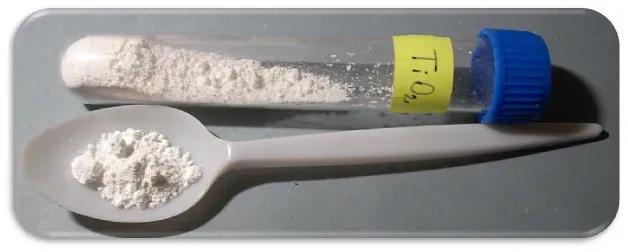
2. Titanium Dioxide (Image Credits: Vlastní sbírka, <a href="https://commons.wikimedia.org/w/index.php?curid=2225487" target="_blank" rel="noopener">Public domain</a>)
Titanium dioxide is the white pigment that makes candy coatings, frostings, and even some coffee creamers look brighter and more uniform. Although not a petroleum-based FD&C dye, titanium dioxide has been linked to safety concerns, prompting a European ban over potential risks from nanoparticles that can accumulate and cause genetic damage. The European Food Safety Authority went further than most regulators on this one.
The European Food Safety Authority conducted a 2021 safety review of titanium dioxide and concluded that the chemical was no longer considered safe as a food additive. The US hasn’t followed suit yet, though pressure is building. Two companies have already committed not to use titanium dioxide in any food and beverage products: Tyson Foods and WK Kellogg Co.
3. Potassium Bromate
3. Potassium Bromate (Image Credits: Unsplash)
Potassium bromate helps bread rise evenly and gives commercial loaves that soft, springy texture bakers love. The trouble is what it does inside the body. The International Agency for Research on Cancer classifies potassium bromate as possibly carcinogenic to humans, and it’s banned in numerous countries.
California decided it wasn’t worth the risk. California’s Assembly Bill 418 will ban potassium bromate as a dough conditioner starting January 2027, after studies linked this cancer-causing preservative to kidney and thyroid tumors in animal studies. Nutritionists point out that most other developed nations moved on from this ingredient decades ago, which makes its continued presence in some US baked goods stand out.
4. Synthetic Petroleum-Based Dyes (Yellow 5, Yellow 6, Blue 1, Blue 2, Green 3)
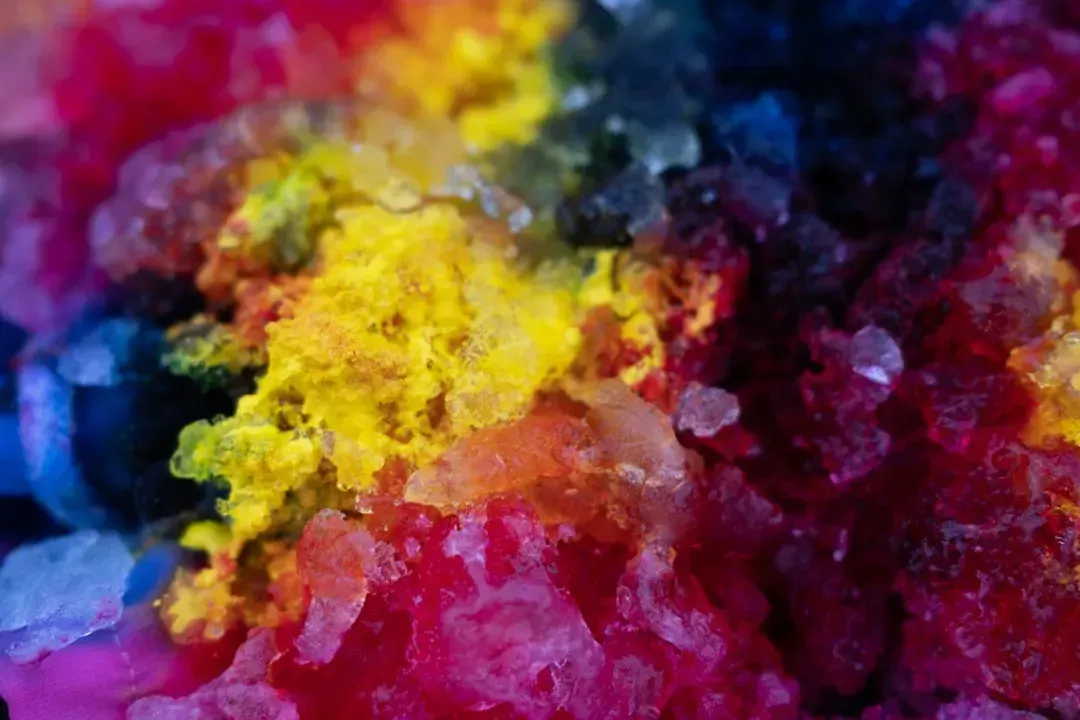
4. Synthetic Petroleum-Based Dyes (Yellow 5, Yellow 6, Blue 1, Blue 2, Green 3) (Image Credits: Unsplash)
Beyond Red 3, a whole family of synthetic colorants still shows up in cereals, sports drinks, and snack foods. On April 22, 2025, the FDA announced plans to phase out from the food system six petroleum-based synthetic dyes: Blue 1, Blue 2, Green 3, Red 40, Yellow 5, and Yellow 6, by the end of 2026. That announcement matters, but it isn’t a binding law yet.
The remaining six commonly used FD&C colors are still approved for use as of today, which is exactly why dietitians keep bringing them up. Synthetic food dyes, petroleum-based colorings like Red Dye 40, Yellow 5 and 6, have been added to foods for visual appeal. Nutrition professionals note that children in particular consume these dyes at higher rates relative to body weight simply because so many kid-marketed snacks and cereals rely on them.
5. Carrageenan

5. Carrageenan (Image Credits: Pexels)
Carrageenan comes from red seaweed and gets used as a thickener in everything from plant-based milks to deli meats and ice cream. It sounds natural, and technically it is, but that hasn’t stopped researchers from raising questions. Recent research suggests that carrageenan may be linked to a higher risk of heart disease and breast cancer.
A large French cohort study added more weight to the concern. Associations with breast cancer risk were observed for higher intakes of total carrageenans, with a hazard ratio of 1.32. European regulators have taken a more cautious stance too, noting uncertainties regarding the chemistry, exposure assessment, and biological data, which led to the existing acceptable daily intake being considered temporary pending further research.
6. Carboxymethylcellulose (CMC)
6. Carboxymethylcellulose (CMC) (Image Credits: Unsplash)
CMC is another common emulsifier, derived from cellulose or wood pulp, that keeps sauces, dressings, and processed foods from separating on the shelf. It rarely gets attention outside nutrition circles, yet the data on it is fairly recent and fairly direct. A 2023 BMJ study found that CMC was associated with a moderately increased risk of heart disease.
What makes emulsifiers like CMC particularly interesting to researchers is the mechanism. Emulsifiers have been shown to alter the composition and function of gut bacteria in a way that can promote chronic inflammation and metabolic diseases in animals, with initial data suggesting possible similar effects in people. Roughly 170 emulsifiers are approved for use in the United States, and CMC is one of the more heavily studied ones among them.
7. High-Fructose Corn Syrup
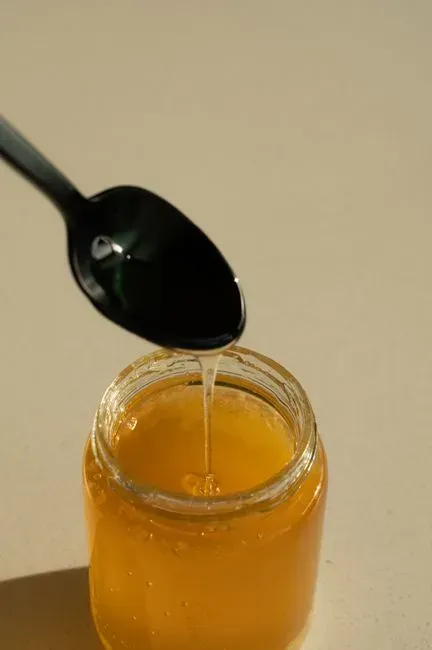
7. High-Fructose Corn Syrup (Image Credits: Pexels)
High-fructose corn syrup has been a staple sweetener in sodas, condiments, and baked snacks for decades, and it remains one of the additives dietitians mention most often. It isn’t new, but its health implications keep getting reinforced by fresh research. “High-fructose corn syrup and trans fats may contribute to insulin resistance and inflammation,” according to a registered dietitian and certified diabetes care specialist.
The concern goes beyond blood sugar alone. High-fructose corn syrup, in particular, has been linked to worsening blood sugar control and fatty liver deposits. Federal dietary guidance has taken notice as well. The updated federal report warns against highly processed foods laden with refined carbs, added sugars, excess sodium, unhealthy fats and chemical additives.
8. BHA and BHT
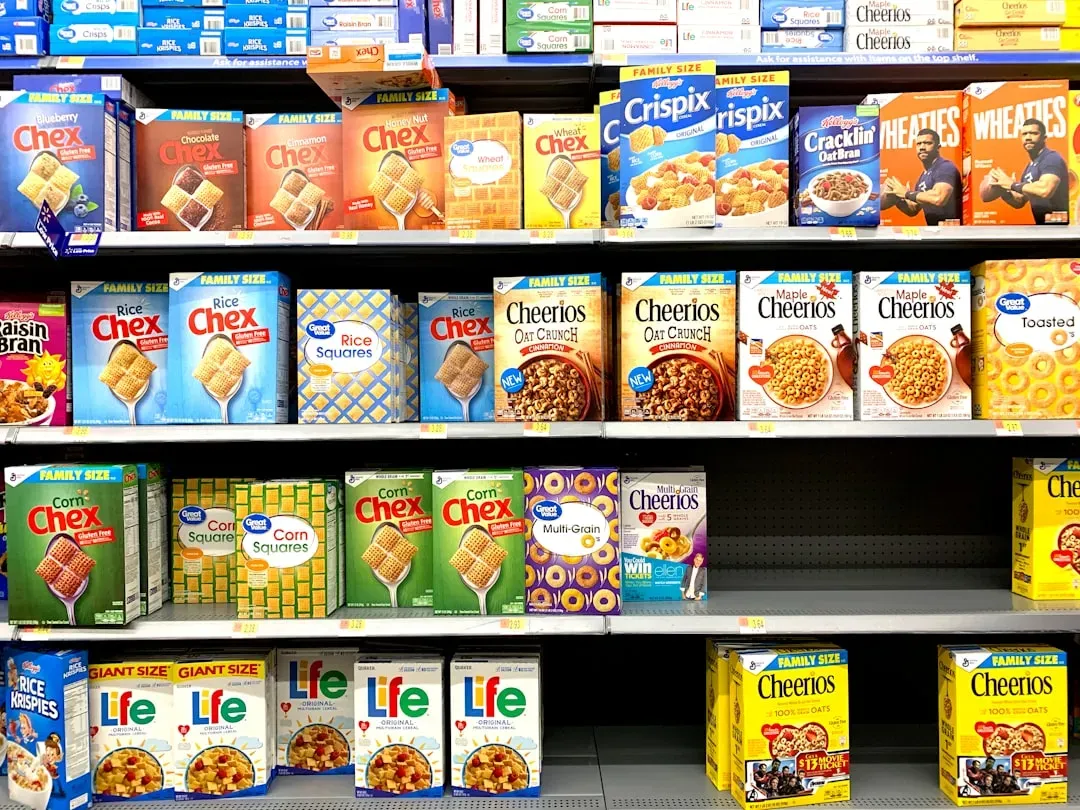
8. BHA and BHT (Image Credits: Unsplash)
Butylated hydroxyanisole and butylated hydroxytoluene are preservatives added to cereals, chips, and packaged snack foods to keep fats from turning rancid. They work well for shelf life, but their safety profile has been debated for years. BHA is classified as an IARC Group 2B carcinogen and is banned in EU food products, though it remains used in US cereals and snack foods.
Regulators in the US are finally taking a closer look. In August 2025, the FDA launched a postmarket assessment of the safety of BHT as used in food and food contact materials. California has already moved to restrict the related preservative class, according to reporting that notes the state is banning it outright, reflecting a broader pattern of state-level action outpacing federal rules.
9. Propylparaben
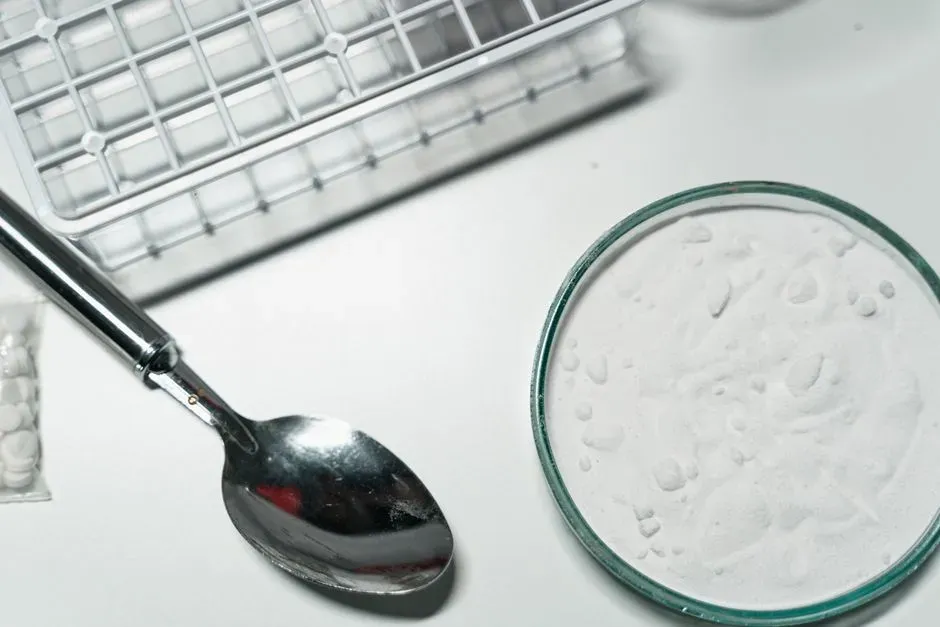
9. Propylparaben (Image Credits: Pexels)
Propylparaben is a preservative used to extend shelf life in baked goods, tortillas, and some processed snacks, and it belongs to a chemical family more commonly associated with cosmetics. Its presence in food has drawn scrutiny largely because of concerns about hormone disruption. Parabens, like propylparaben, are being phased out due to concerns about disrupting endocrine function, which can affect reproductive health.
State lawmakers have started writing it into legislation directly. Utah’s HB 402 prohibits schools from selling or serving food that contains potassium bromate, propylparaben, and several synthetic dyes. Arizona followed with similar restrictions, listing ultraprocessed food containing potassium bromate, propylparaben, titanium dioxide, brominated vegetable oil, and several synthetic dyes as ingredients schools should avoid serving.
10. Aspartame and Other Non-Nutritive Sweeteners
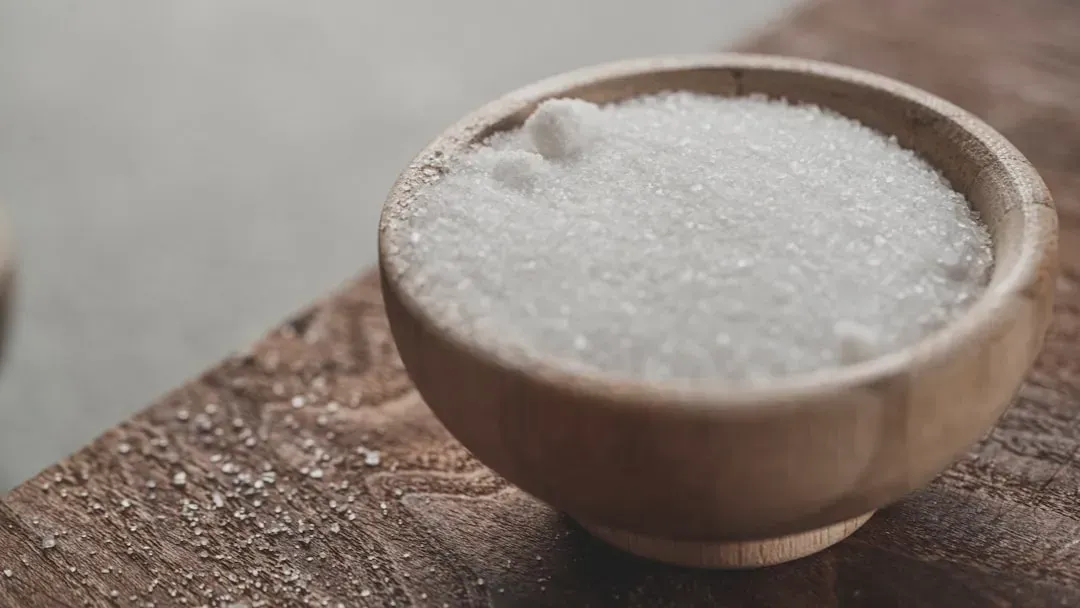
10. Aspartame and Other Non-Nutritive Sweeteners (Image Credits: Unsplash)
Aspartame and its sugar-free cousins show up in diet sodas, flavored waters, and countless “reduced sugar” products marketed as the healthier choice. Advocacy groups argue the safety conversation is far from settled. Consumers continue to be exposed to unsafe food chemicals, including the artificial sweetener aspartame, according to consumer safety advocates tracking FDA action.
Newer research is also turning attention to sweeteners beyond aspartame. Sorbitol, a popular sugar substitute often assumed to be a completely safe swap for sugar, has recently drawn questions about its effects on liver health, according to recent science reporting. Nutritionists tend to view these ingredients less as an emergency and more as a reminder that “sugar-free” doesn’t automatically mean risk-free.
The bigger pattern across all ten of these additives is regulatory lag. Most of what’s raising concern among nutritionists right now was already restricted in Europe years, sometimes decades, before American regulators started moving. Reading an ingredient label carefully, especially on ultra-processed snacks, cereals, and packaged baked goods, remains the most reliable way to spot these additives before they end up in your cart.