
Most homeowners don't think twice before grabbing a wrench on a Saturday morning. A leaky pipe here, a swapped fixture there, it feels like the kind of thing anyone with a YouTube tutorial and a little patience can handle. The trouble is that plumbing sits at the intersection of building codes, permits, and insurance fine print, and a surprising number of common weekend fixes cross lines homeowners never knew existed.
Insurance companies rarely advertise this, but they pay close attention to how plumbing work was done when a claim lands on their desk. Skip the permit, and the insurer has a clear contractual basis to deny any water damage claim tied to that work. The nine tweaks below are the ones that show up again and again in code violation reports and denied claims, and they're worth knowing before the next project starts.
1. Rerouting or extending supply and drain lines without a permit
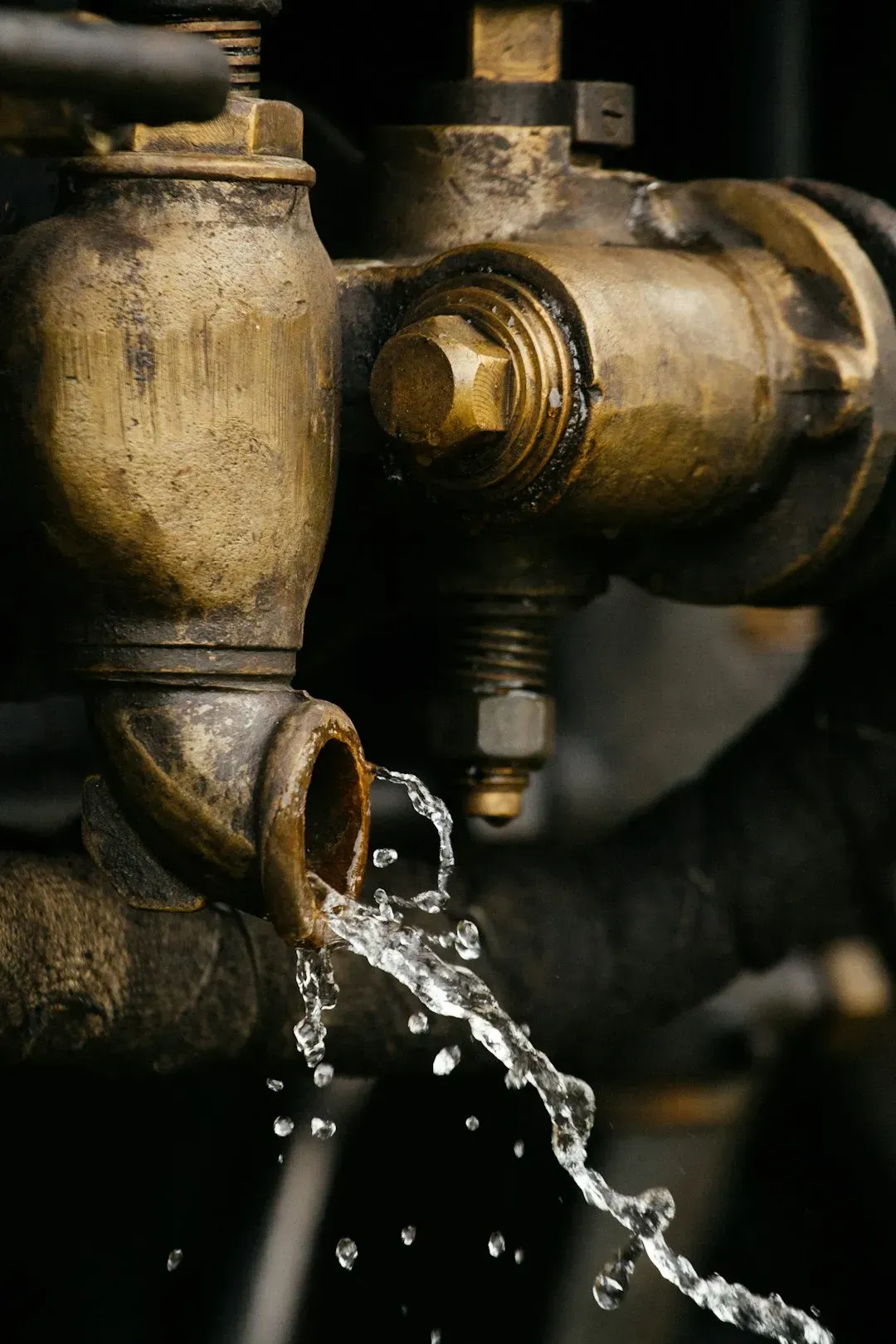
1. Rerouting or extending supply and drain lines without a permit (Image Credits: Unsplash)
Moving a sink a few feet, adding a new drain line for a laundry room, or extending water supply to a garage sounds simple enough on paper. In most jurisdictions, though, it’s anything but a minor fix. Anything involving new supply or drain lines, a water heater replacement, or opening walls almost always requires a permit regardless of who does the work.
The risk isn’t just a fine from the local building department. If a pipe bursts and your insurer discovers the installation was unpermitted, the claim can be denied, even if the pipe failure had nothing to do with the unpermitted work. That last part catches people off guard. The insurer doesn’t need to prove your rerouted line caused the leak, just that it existed without paperwork.
2. Installing or replacing a water heater without inspection
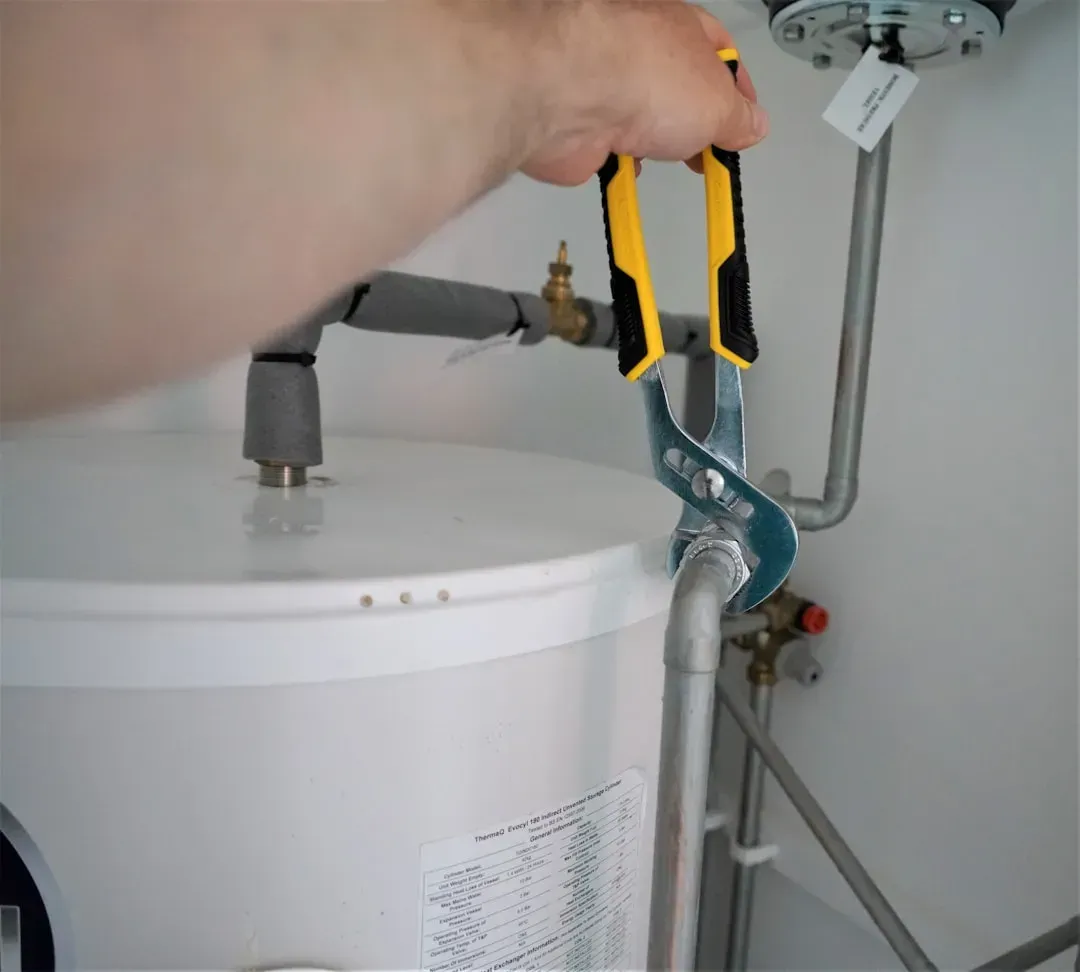
2. Installing or replacing a water heater without inspection (Image Credits: Unsplash)
Water heaters look like a straightforward swap: disconnect the old one, hook up the new one, done. Building departments disagree, and so do insurers. Anything involving… a water heater replacement… almost always requires a permit regardless of who does the work.
Beyond the permit issue, missing safety components create their own liability. Water heaters without temperature and pressure relief valves can all cause problems that go beyond code violations, since a failed relief valve can lead to tank ruptures or scalding injuries. When an adjuster sees a self-installed unit with no inspection sign-off, the claim conversation gets a lot harder.
3. Touching gas line connections tied to plumbing fixtures
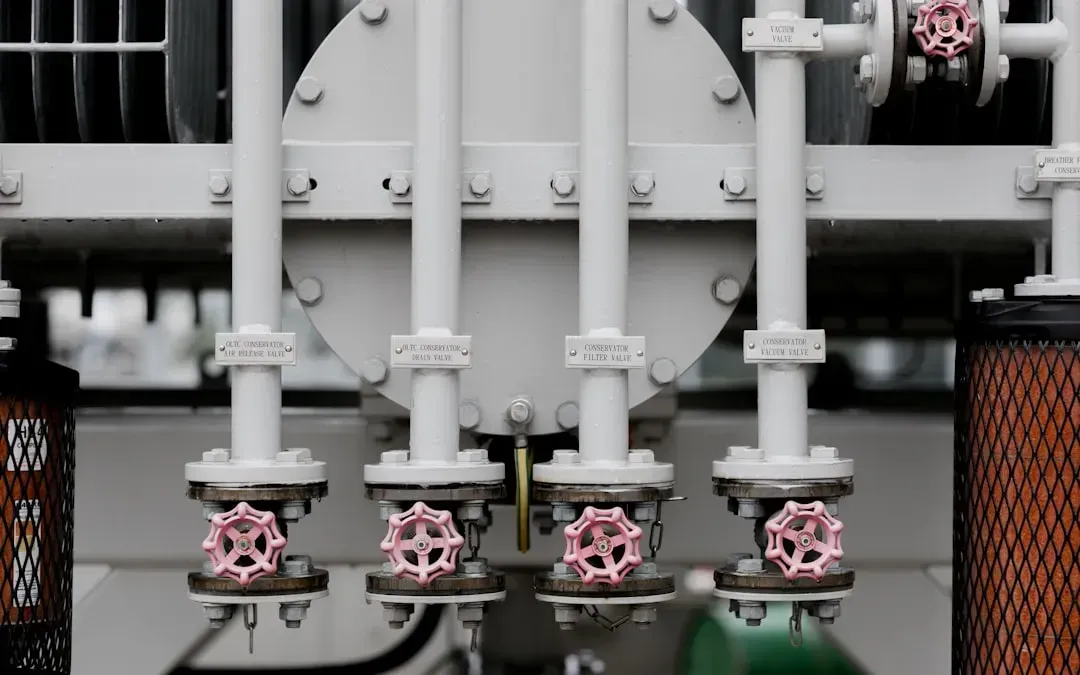
3. Touching gas line connections tied to plumbing fixtures (Image Credits: Unsplash)
Gas lines often get bundled with plumbing work, especially around water heaters, ranges, and outdoor fire features. This is one category where almost every guide agrees: leave it alone. Complex work, repiping, water heaters, anything touching gas lines, belongs to licensed pros.
The stakes here are higher than a denied claim. Gas lines are dangerous because leaks can lead to explosions or carbon monoxide poisoning, and attempting to repair or install gas lines without certification is strictly prohibited. An insurer that finds unlicensed gas work after an incident isn’t just going to deny that specific claim. It may treat the discovery as grounds to cancel the policy outright.
4. Full repiping jobs done without a licensed plumber
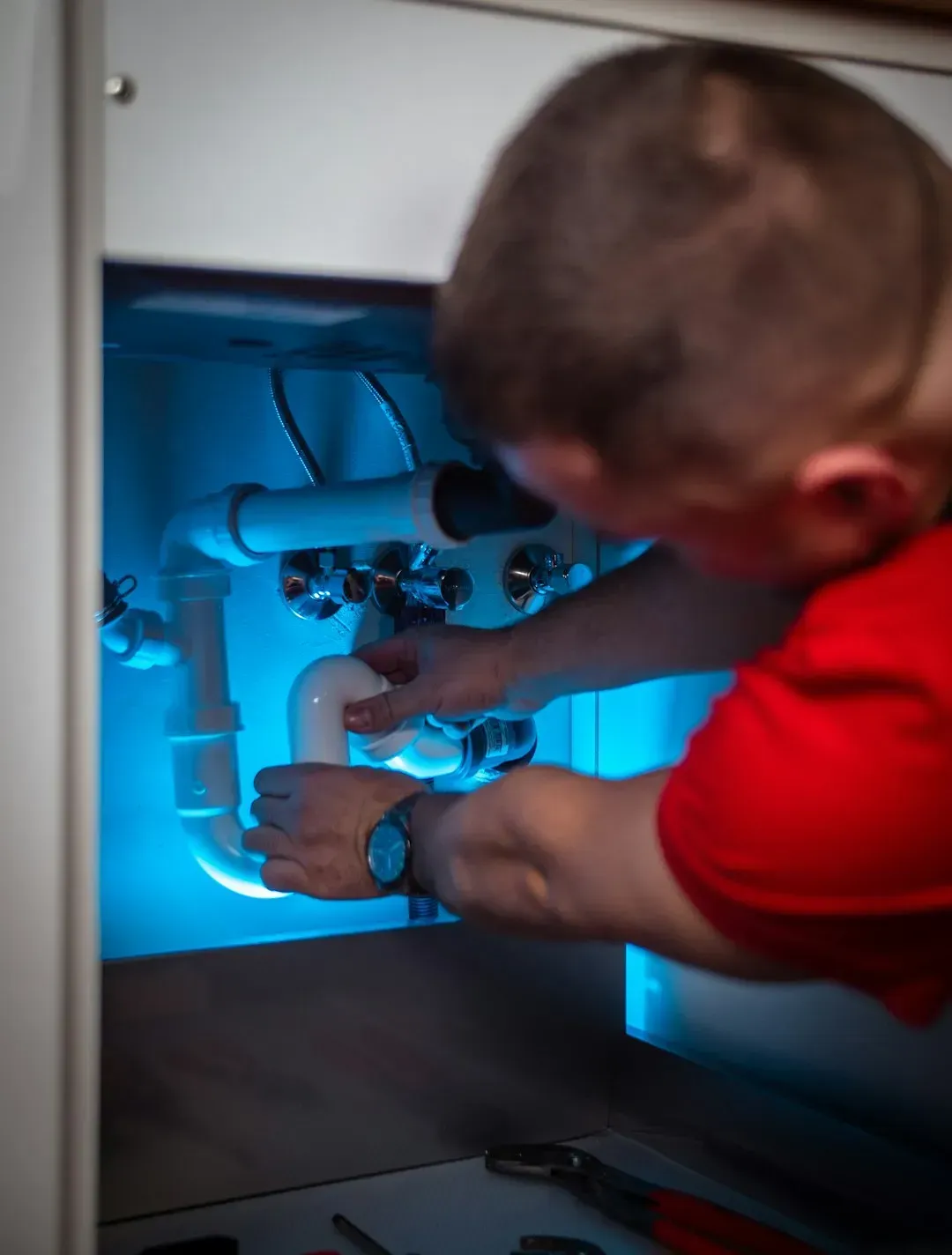
4. Full repiping jobs done without a licensed plumber (Image Credits: Unsplash)
Swapping out old galvanized or polybutylene pipe for copper or PEX is a common upgrade in older homes, and it’s tempting to do it in stages over a few weekends. Full repiping, though, sits firmly in the category that most states treat as licensed-only work. Repiping… belongs to licensed pros, not because the physical task is impossible for a motivated homeowner, but because the system-wide implications, water pressure, pipe sizing, and venting, are easy to get wrong in ways that aren’t obvious until something fails.
Massachusetts takes this the furthest of any state. Nowhere in the U.S. comes close to Massachusetts, the only state that bans homeowners from doing their own plumbing entirely, no license, no wrench, no exceptions, even in your own house. Even in states with looser rules, a botched repiping job discovered after a flood is one of the more common triggers for a denied claim.
5. Skipping proper venting on new or moved fixtures
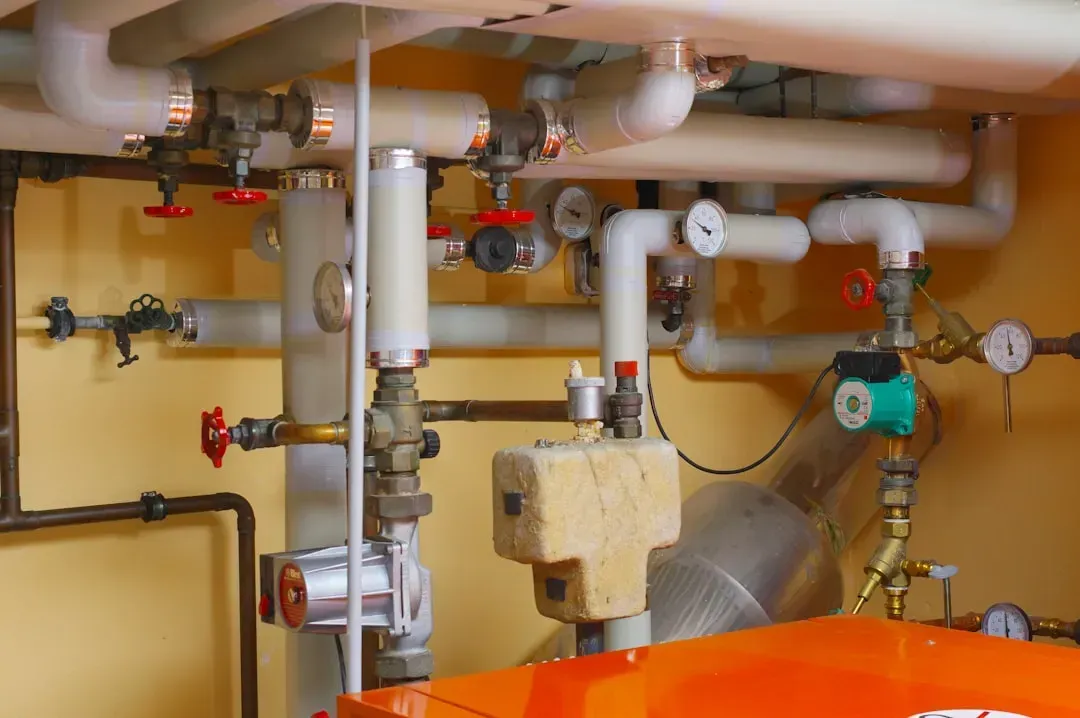
5. Skipping proper venting on new or moved fixtures (Image Credits: Unsplash)
Adding a bathroom in the basement or moving a kitchen sink a few feet often means dealing with vent lines, and this is where a lot of DIY jobs quietly go wrong. Improper venting doesn’t always announce itself right away. Incorrect slope, missing vent lines, or oversized pipes create a range of problems, from slow drains to gurgling sounds to sewer gas escaping indoors.
Sewer gas leaking into a living space is a health hazard, not just an inconvenience, and it’s exactly the kind of defect that surfaces during a home inspection or an insurance claim years later. Proper venting not only avoids further violations but also protects indoor air quality and fixture performance. Skipping this step to save a weekend of work rarely ends up being worth it.
6. Installing fixtures without required air gaps or clearances
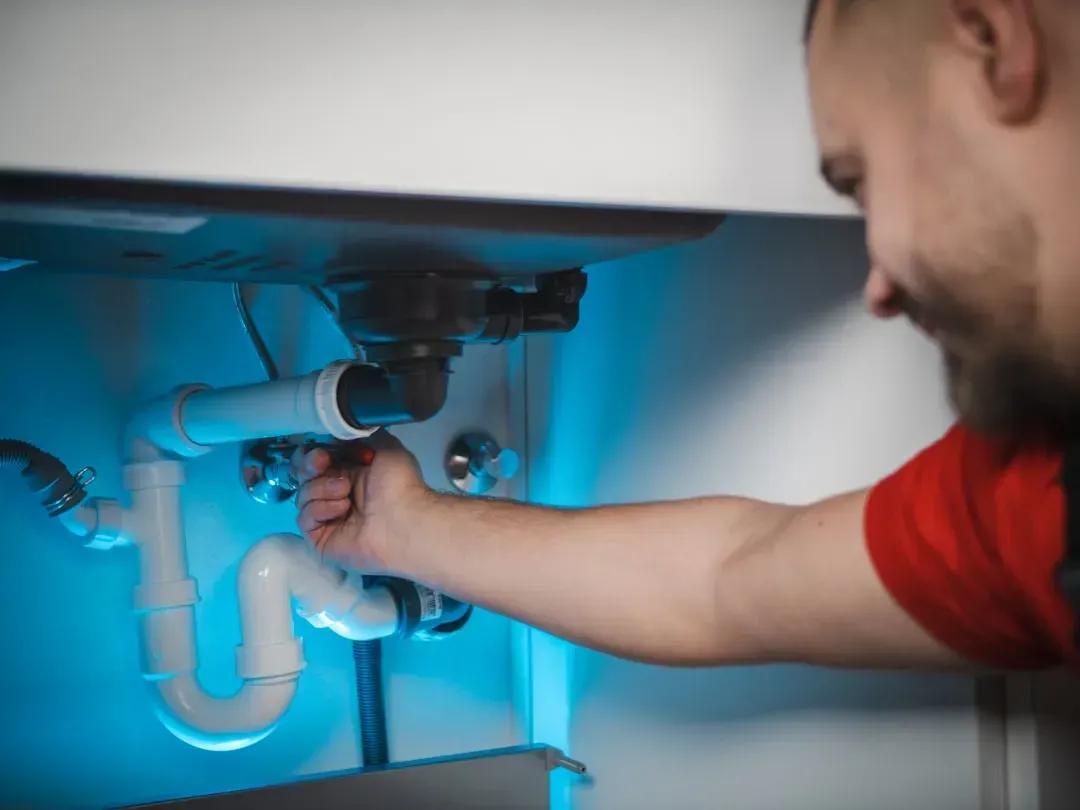
6. Installing fixtures without required air gaps or clearances (Image Credits: Unsplash)
Not every plumbing violation involves pipes hidden in walls. Some are as simple as a sink installed too close to a wall, or a hand sink missing the air gap that keeps wastewater from siphoning back into clean water lines. Hand sinks installed without air gaps, toilets with improper clearances, or water heaters without temperature and pressure relief valves can all cause problems.
These small details rarely get noticed until an inspector, a home buyer’s inspector, or an insurance adjuster specifically looks for them. Fixtures installed without permits or outside the code’s approved list can trigger violations in both residential and commercial settings. The fix is usually cheap. The discovery, unfortunately, tends to happen at the worst possible moment, mid-sale or mid-claim.
7. Cross connections and illegal water line hookups
7. Cross connections and illegal water line hookups (Image Credits: Unsplash)
Cross connections happen when a potable water line gets tied, directly or indirectly, to a non-potable source, like an irrigation system or a pond pump. It sounds like an edge case, but it’s common enough that entire departments track it separately from general plumbing violations. Backflow prevention issues are among the most common violations, largely because the required annual testing is easy to let lapse.
Illegal water connections carry public health implications that go beyond one household, since contaminated water can travel back through a shared municipal system. That’s part of why cities enforce this one aggressively. Illegal water connections and cross connection violations show up regularly in code enforcement records, and insurers treat them as a red flag once discovered.
8. Ignoring backflow prevention device requirements
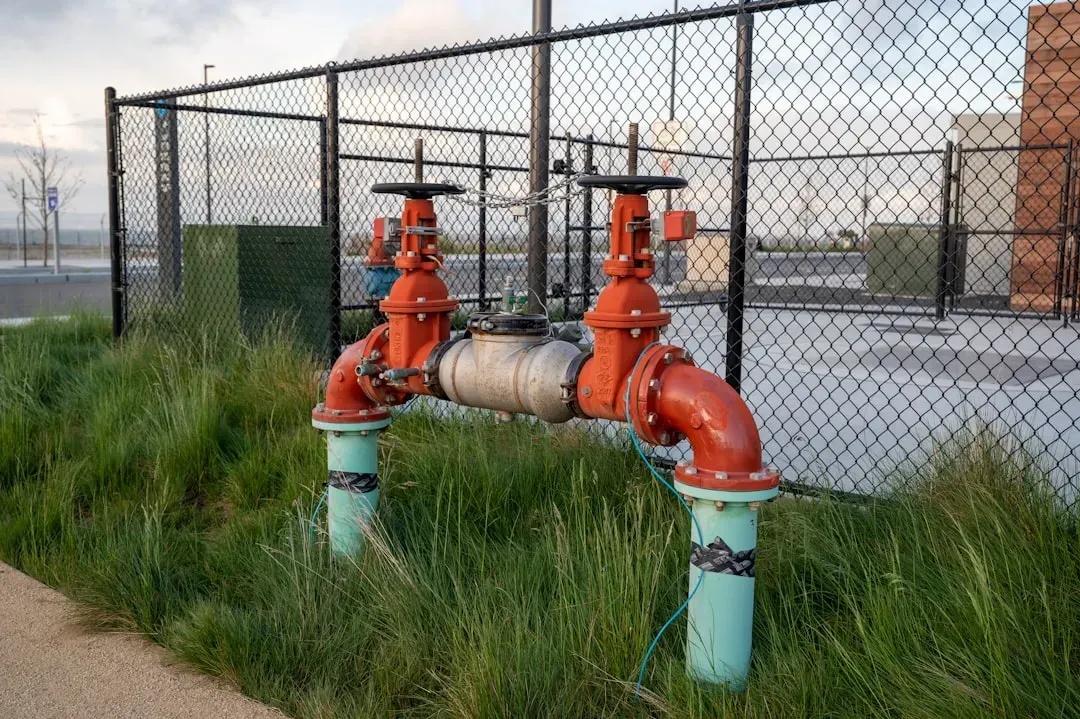
8. Ignoring backflow prevention device requirements (Image Credits: Unsplash)
Backflow preventers protect the public water supply from contamination, and they’re required on a wide range of setups, from irrigation systems to boilers to certain fire suppression lines. Many homeowners either skip installing one or let the required annual testing lapse. Backflow prevention issues in particular are among the most common DEP violations, largely because the required annual testing is easy to let lapse.
An expired or missing backflow device doesn’t just risk a fine. If a water contamination event or flooding claim traces back to a missing device, insurers have a documented code violation to point to. Insurance companies might deny claims related to known violations, and this is one of the violations that’s easiest for an adjuster to verify after the fact.
9. Doing major plumbing alterations without pulling any permit at all
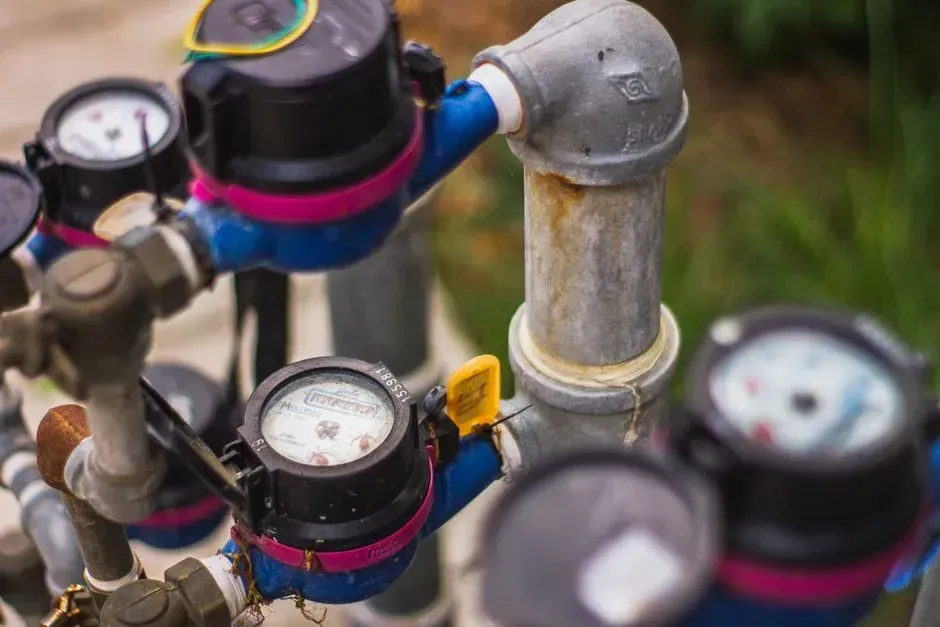
9. Doing major plumbing alterations without pulling any permit at all (Image Credits: Pexels)
This is the catch-all category, and it covers the largest share of insurance headaches. Adding a bathroom, converting a garage with new plumbing, or running new lines to a basement kitchen all typically require permits, no matter how confident the person doing the work happens to be. Rerouting pipes or installing new plumbing systems often requires permits, since incorrect plumbing can cause leaks, flooding, and contamination of drinking water, and many municipalities require licensed plumbers for these larger jobs.
The insurance consequence is consistent across nearly every source on this topic. Skipping permits can also void insurance coverage if water damage occurs. It’s worth noting this isn’t limited to catastrophic damage either. Even a slow leak that causes mold growth over months can trigger the same denial if the underlying work was never permitted.
Why insurers care so much about paperwork, not just workmanship

Why insurers care so much about paperwork, not just workmanship (Image Credits: Pexels)
It’s tempting to assume insurers only care whether the pipe actually failed, but that’s not how claims review usually works. Water damage is consistently the number one or number two homeowner insurance claim category by both frequency and dollar value, and insurers scrutinize the permit history on any significant water related claim. The permit is proof that someone with accountability signed off on the work.
Without that record, an adjuster has no way to confirm the job met minimum safety standards, so the default position tends to be skepticism. DIY projects that bypass local permits or building codes can be flagged during claims, since insurance providers expect major improvements like plumbing or structural changes to be inspected, and if work isn’t up to code, claims tied to those areas can be flat out denied. This applies even when the homeowner’s craftsmanship was actually fine.
The line between legal DIY and a licensing requirement
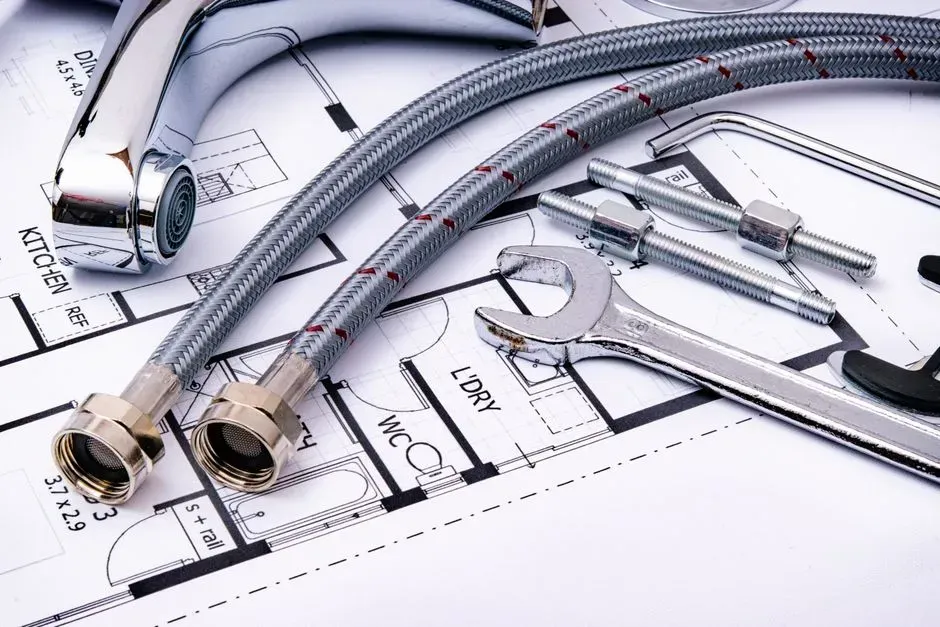
The line between legal DIY and a licensing requirement (Image Credits: Pexels)
Not every plumbing task requires a license, and it’s worth being clear about that so this doesn’t sound like a blanket warning against ever touching a pipe. Most states allow homeowners to handle basic maintenance themselves. The law gives you a clear sandbox: fix leaky faucets, unclog drains, install or replace fixtures without altering the plumbing system.
The distinction that matters is whether the work changes the plumbing system itself versus simply maintaining what’s already there. Handle faucet washers, drain clogs, showerheads, toilet seats, and faucet swaps yourself; leave water heaters, gas lines, sewer lines, and repiping to licensed professionals. That’s a reasonable dividing line to keep in mind before starting any project bigger than a weekend fix.
What happens when unpermitted work surfaces later
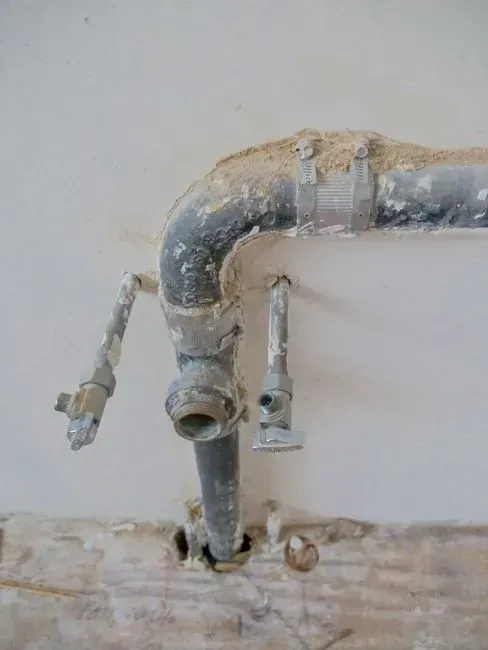
What happens when unpermitted work surfaces later (Image Credits: Pexels)
The most frustrating part of this whole issue is timing. Unpermitted plumbing work doesn’t usually cause problems the day it’s finished. It tends to surface years later, often during a home sale, a refinance, or a claim for something unrelated. Code issues impact buyer financing, as buyers may have difficulty securing financing on homes with significant code violations, and mortgage lenders are hesitant to approve loans for properties with code violations.
By the time the issue is discovered, fixing it retroactively is almost always more expensive than doing it right the first time. Retroactively permitting and inspecting the work typically costs more than pulling the permit originally. That gap in cost is the quiet penalty for skipping the paperwork step, even when the actual plumbing work was done competently.
Final thoughts

Final thoughts (Image Credits: Pexels)
None of this means homeowners need to call a licensed plumber every time a faucet drips or a drain runs slow. The line is fairly consistent across states and insurers alike: basic maintenance is fine, but anything that changes the structure of the plumbing system, adds new lines, touches gas, or involves a water heater, needs a permit and often a licensed professional.
The paperwork feels like an annoyance in the moment, but it's the thing standing between a covered claim and a denied one if something ever goes wrong. A permit costs a fraction of what a denied insurance claim does, and it's a lot easier to pull one before starting the project than to explain its absence after a pipe bursts.