
Walk into almost any kitchen built or renovated in the last fifteen years and there’s a decent chance you’ll find the same thing behind the stove: small white rectangles, stacked in neat rows. It became the safe choice, the one nobody questioned. But real estate agents, designers, and buyers touring open houses in 2026 are starting to see it differently, and that shift is showing up in listing photos, renovation budgets, and design forums alike.
The reasons aren’t really about the tile itself being ugly or poorly made. It’s more about what happens when one design choice becomes the default for an entire generation of kitchens. Once a look stops signaling effort or intention, it starts reading as a shortcut, and buyers have gotten sharp at spotting shortcuts.
Why the classic white subway tile lost its shine
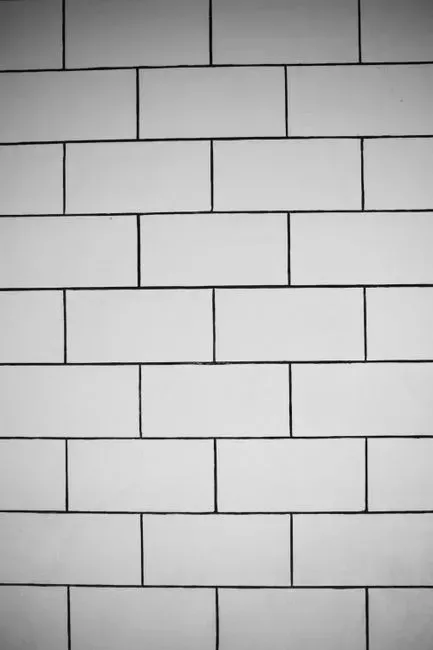
Why the classic white subway tile lost its shine (Image Credits: Pexels)
Subway tile earned its reputation honestly. It’s practical, it’s affordable, and it photographs well in almost any light, which is part of why it spread so fast through home renovation shows and flip projects. After subway tiles started popping up everywhere, they started feeling less trendy and more builder grade.
That’s the real issue. Clearly, subway tile backsplashes have been much loved for a while, but that’s just the issue. When something is everywhere, people quickly grow tired of it. Combine that fatigue with a broader shift toward homes that feel personal rather than staged, and the plain white grid starts to look less like a design decision and more like an absence of one.
Zellige tile is filling the gap
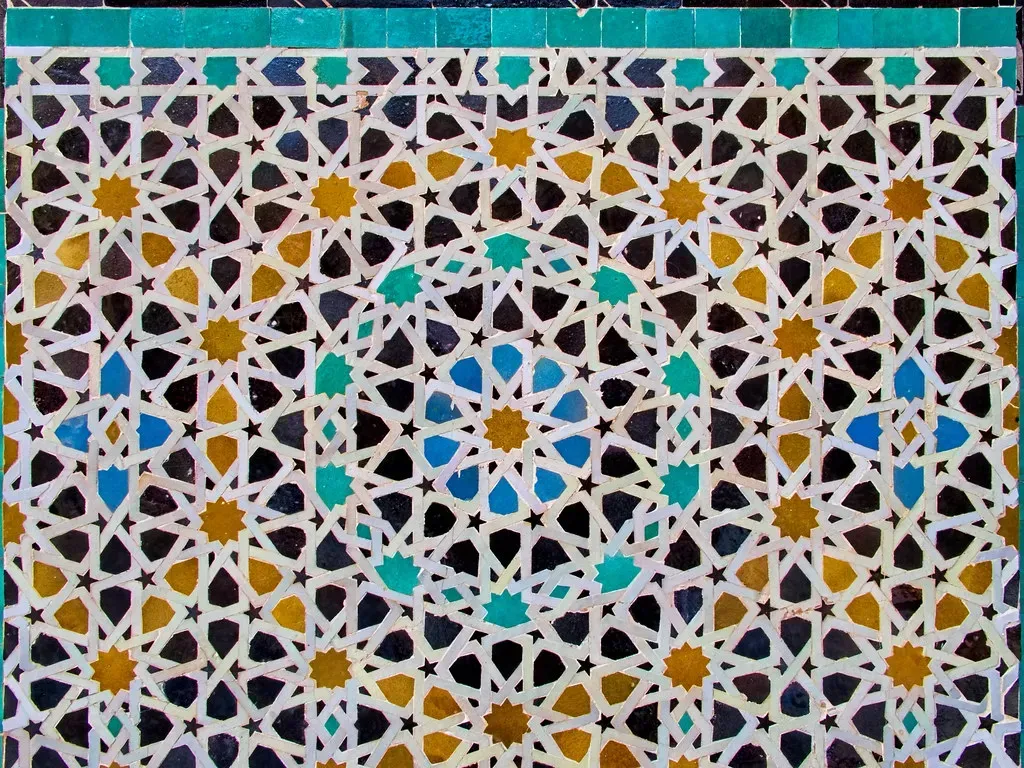
Zellige tile is filling the gap (Dan Lundberg, Flickr, <a href="https://creativecommons.org/licenses/by-sa/2.0/" target="_blank" rel="noopener">CC BY-SA 2.0</a>)
If there’s one material getting the most attention as subway tile’s replacement, it’s zellige, the handmade Moroccan clay tile with irregular edges and a glossy, slightly uneven glaze. It’s the Erin Napier-favored trend that’s making a comeback in 2026, and its appeal comes from exactly what mass-produced tile lacks: visible texture and a sense that a person actually made it.
Designers pairing zellige with kitchens are careful about how they treat the grout lines, since the tile already carries plenty of visual interest on its own. This kind of contrast makes the tile too grid-like, which can become visually busy, so designers now recommend grout that blends in with the tile rather than competing with it. The result is a backsplash that feels artisanal rather than assembled from a big-box aisle.
Slab backsplashes are becoming the high-end default
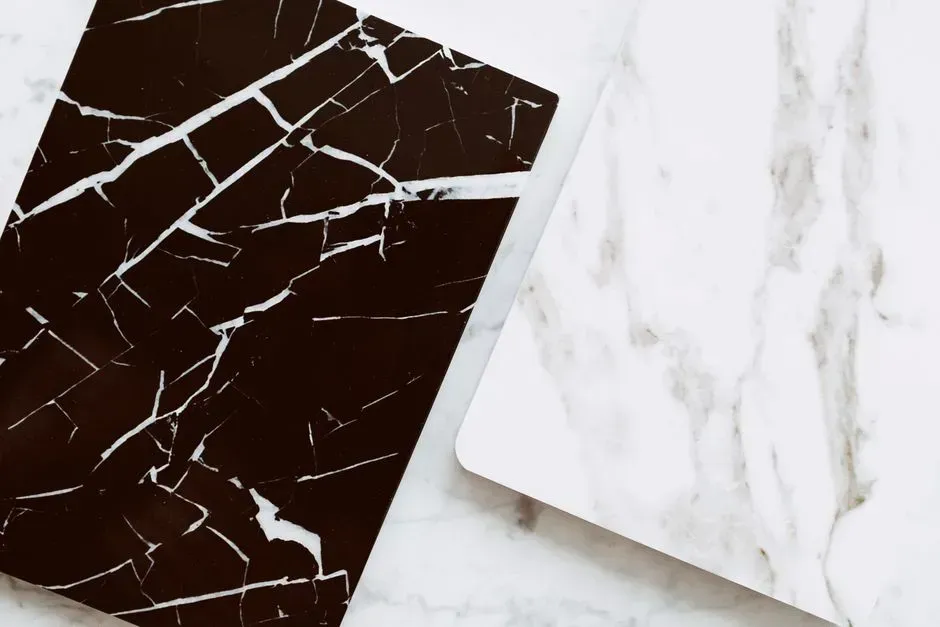
Slab backsplashes are becoming the high-end default (Image Credits: Pexels)
For buyers who want a completely different texture story, full slab backsplashes have moved from rare upgrade to expected feature in higher-end renovations. The full-slab backsplash trend, using seamless countertop extensions like quartz or marble, has emerged as the most requested high-end kitchen design in 2025. Instead of individual tiles and grout lines, a single continuous sheet runs from the countertop up the wall.
The appeal is partly about maintenance, since fewer seams mean fewer places for grease and grime to collect, but it’s also about visual calm. This style uses a full sheet of marble, quartz, or porcelain to create a seamless, dramatic effect, and it is especially popular in modern and minimalist kitchens where clean lines reign supreme. It’s an expensive option, but for buyers evaluating a kitchen, it signals a recent and considered renovation rather than a quick refresh.
Herringbone and vertical layouts are changing the conversation
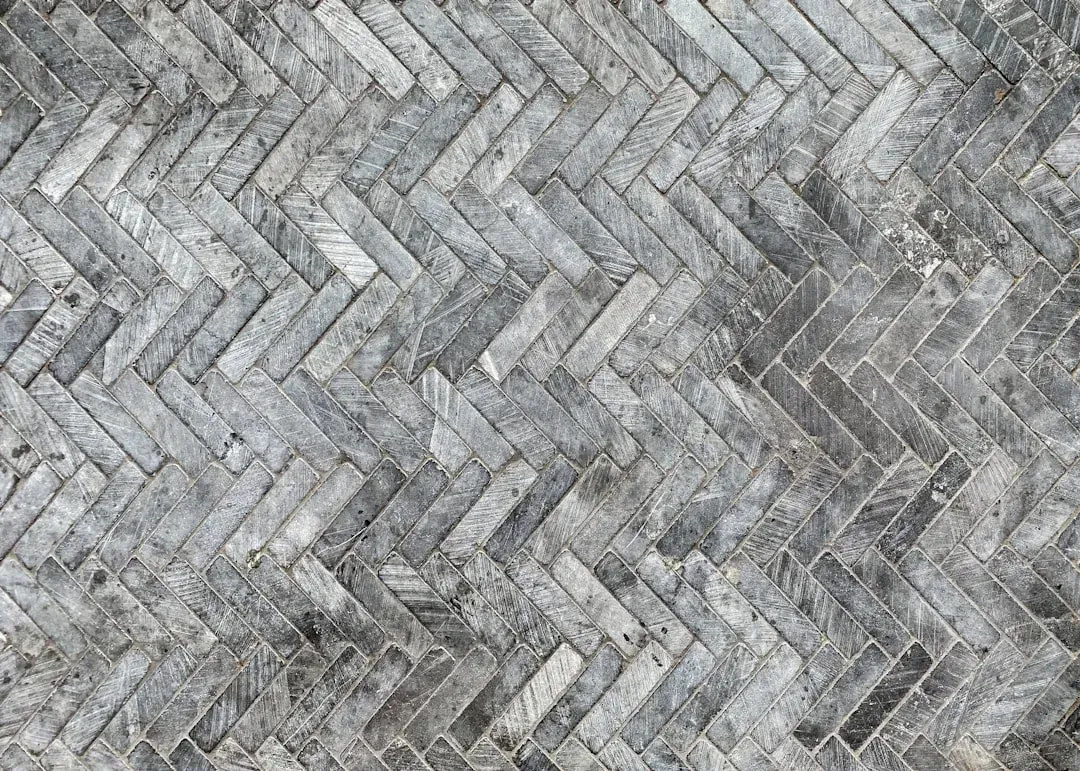
Herringbone and vertical layouts are changing the conversation (Image Credits: Unsplash)
Interestingly, subway tile itself hasn’t disappeared so much as it’s being installed differently. Rather than the classic stacked, end-to-end pattern, designers are laying the same rectangular tiles at angles or on their sides. Most herringbone patterns are fairly standard, with tiles laid at 45 degrees, alternating direction, to create an almost woven look.
This small change matters more than it sounds. The classic horizontal subway tile is getting a whole 180 twist, and in 2026, expect to see tiles stacked vertically or laid in unexpected herringbone, chevron, or basketweave patterns, which adds sophistication without changing materials. For homeowners who like the affordability of subway tile but want to avoid the builder-grade label, this is turning into the easiest workaround.
Bold color is replacing white as the default
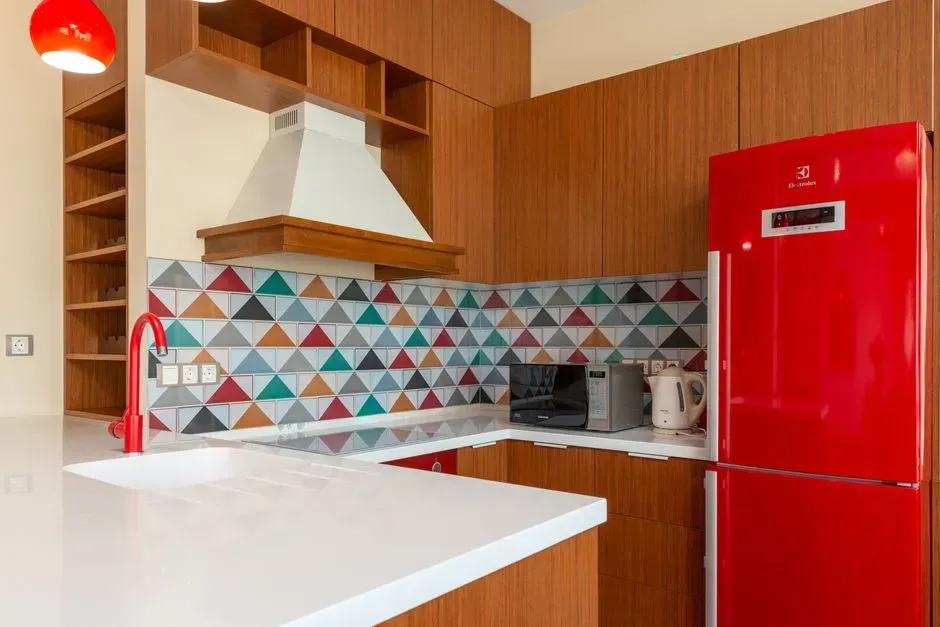
Bold color is replacing white as the default (Image Credits: Pexels)
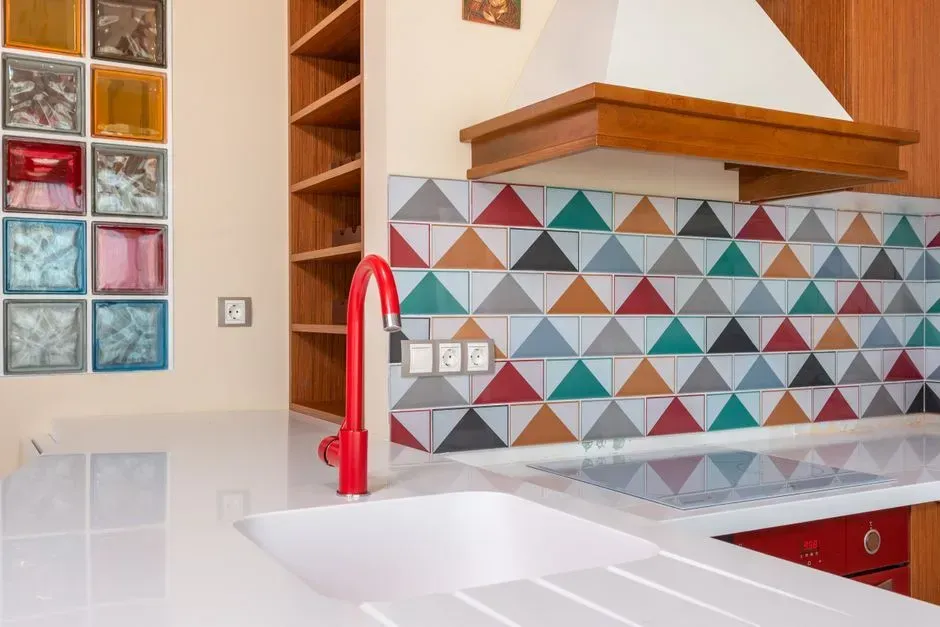
White kitchens haven’t vanished, but the assumption that backsplashes need to stay white or neutral is fading fast. Buyers touring homes in 2026 are increasingly drawn to kitchens that use color with confidence rather than playing it safe. Forget the basic white subway tiles that are in everyone’s home, because 2026 is all about vibrant color and personality, with Moroccan-inspired patterns, retro checkerboards, and high-contrast geometric designs bringing energy into the space, alongside deep greens, terracotta, navy, and mustard yellow.
This doesn’t mean every wall needs to be loud. Many designers are using color strategically, reserving the boldest tile for a single focal wall behind the range while keeping the rest of the kitchen quieter, which keeps the space from feeling overwhelming while still delivering visual impact.
Mixed-material backsplashes add depth
Mixed-material backsplashes add depth (Image Credits: Pexels)
Another trend gaining traction is combining two or more materials in a single backsplash rather than covering the entire wall in one uniform tile. Think brick paired with mosaic, or rough stone set beside smooth ceramic. Contrasting pairings like brick with colorful mosaic tiles or rough natural stone next to smooth ceramic tiles are a great way to make the backsplash stand out instead of just fading into the background.
The appeal here is layering. This latest kitchen backsplash trend uses a mix of different materials to create a unique, visually interesting space, and in the coming months you can expect to see designers embracing a range of colors, textures, and material types to give kitchens a deep, layered look. It’s a more labor-intensive approach than a single uniform tile, but it gives a kitchen a custom, collected-over-time feel that buyers tend to respond to.
Natural stone is winning over budget-conscious buyers who want texture
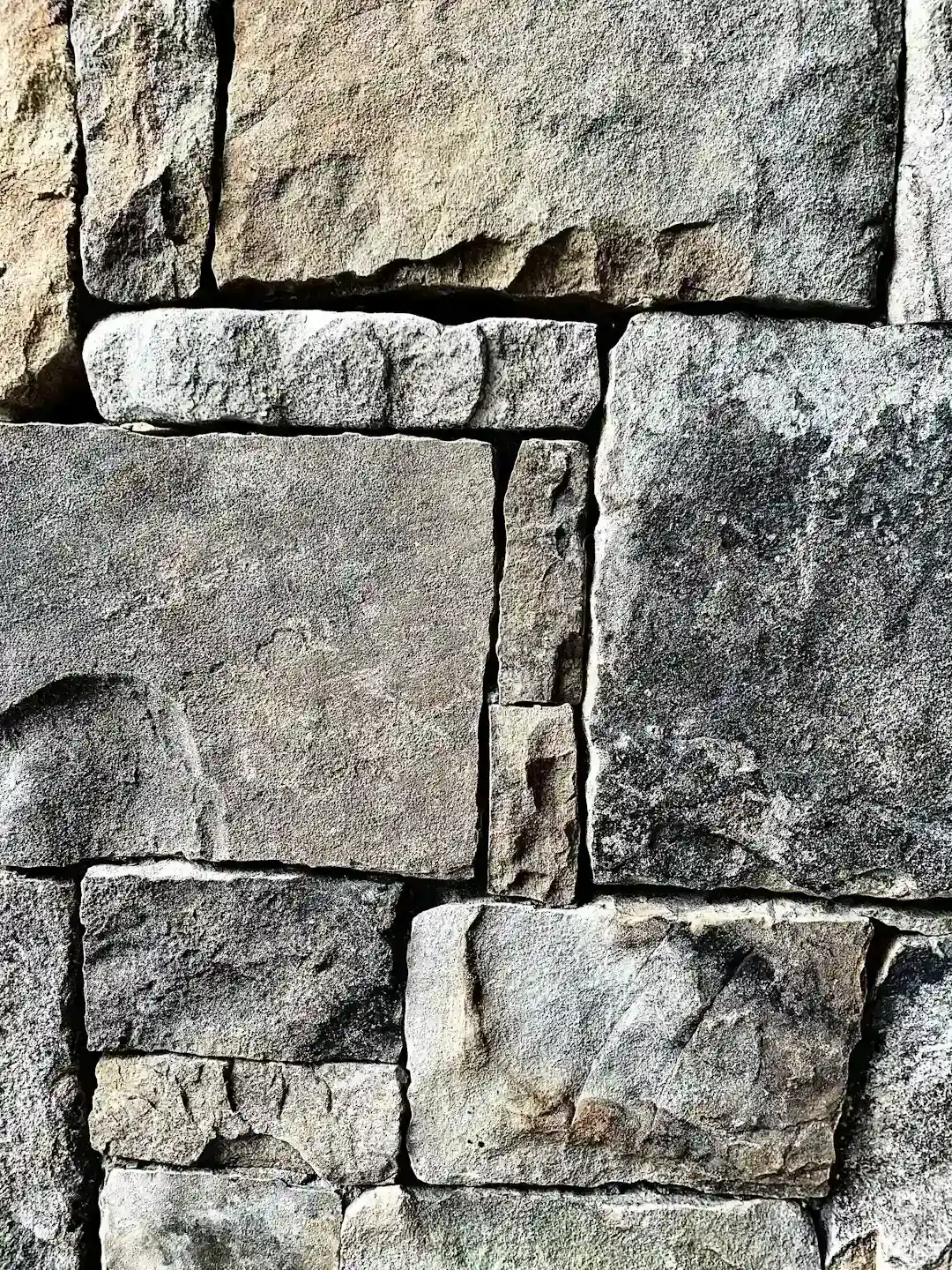
Natural stone is winning over budget-conscious buyers who want texture (Image Credits: Unsplash)
Not every alternative to subway tile requires a full slab budget. Natural stone tiles, including travertine, limestone, and textured marble, are appealing to buyers who want organic variation without going fully minimalist. Natural stone can make a kitchen feel finished in a way many manufactured materials can’t, bringing movement, variation, and depth that reads especially well in homes where you want the kitchen to feel rooted instead of overly polished.
That said, stone comes with tradeoffs buyers should know about before falling for the look. Stone is where homeowners often fall in love with the look before they understand the upkeep, since marble in particular rewards careful users and punishes rushed cleaning habits. For buyers evaluating a home with a stone backsplash already in place, that’s worth factoring into how well it’s held up.
Metallic accents are showing up in higher-end kitchens
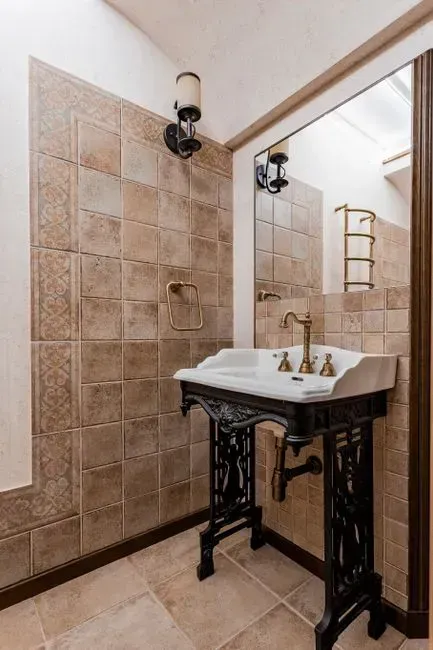
Metallic accents are showing up in higher-end kitchens (Image Credits: Pexels)
A smaller but noticeable trend involves metal tiles or inlays, particularly in kitchens aiming for a more polished, modern feel. Brushed brass and copper are the two finishes getting the most attention right now. Brushed brass, copper, and stainless steel tiles or inlays are making an appearance in high-end kitchens, reflecting light beautifully and pairing well with modern appliances and fixtures, and they can be used sparingly as an accent or cover a whole wall for an ultra-modern look.
Because metallic tile tends to be more expensive and can show fingerprints or water spots more readily than ceramic, most kitchens use it as an accent rather than the full backsplash. A metal strip behind the range, or a border framing a larger tile field, tends to be the more common and more livable application.
Backsplashes are climbing higher up the wall
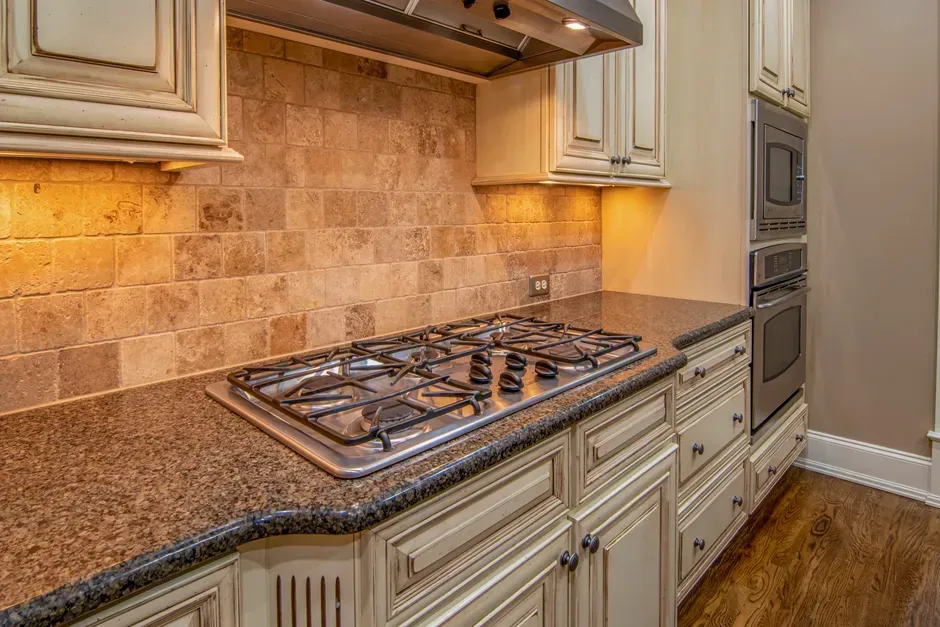
Backsplashes are climbing higher up the wall (Image Credits: Pexels)
Height is another area where buyer expectations have shifted. The old four-inch backsplash, once considered standard, now reads as dated and incomplete to many shoppers touring kitchens. According to the 2025 U.S. Houzz Kitchen Trends Study, sixty seven percent of homeowners prefer to extend their backsplash right up to the range hood.
That number reflects a real change in expectation rather than just a passing preference. Buyers walking through a kitchen with a short backsplash now often mentally tack on the cost of extending it, which affects how the whole room is perceived even before any other design detail comes into play.
Pattern and print are moving away from being background noise
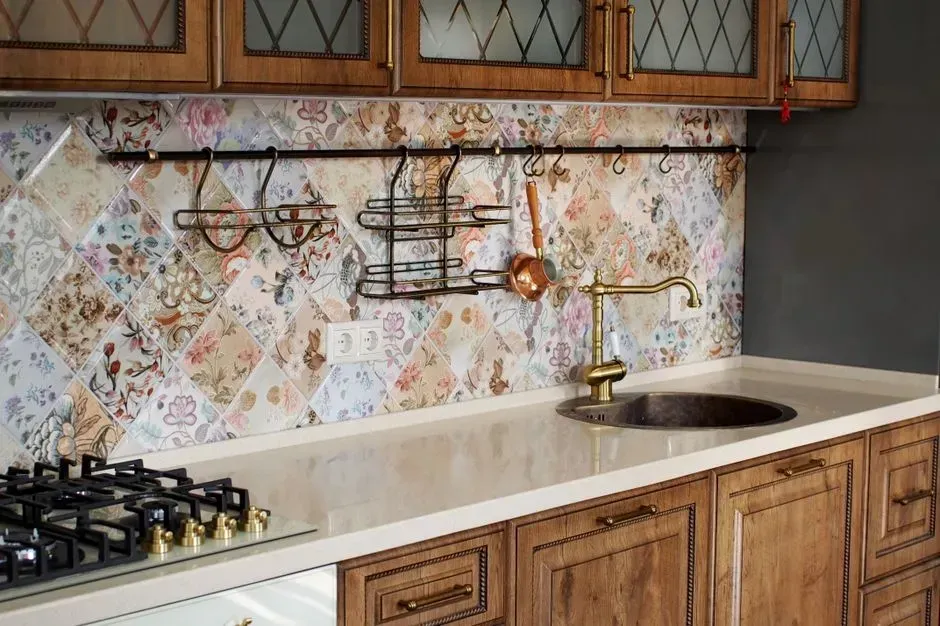
Pattern and print are moving away from being background noise (Image Credits: Pexels)
Perhaps the clearest overall theme is that backsplashes have stopped being treated as pure function and started being treated as design statements in their own right. For too long, backsplashes have been relegated to a quiet, functional background where they quietly soak up spills and splatters, but increasingly, homeowners, remodelers, flippers, and designers alike are beginning to treat them as design elements.
That mindset shift explains a lot of the smaller trends piling up around it, from plaid patterns to mixed materials to bold color choices. For a long time, kitchen backsplashes tended to be predictable and safe, often using simple subway tiles or dated mosaic patterns, but those looks are starting to feel tired as a new era of kitchen design takes hold, bringing bolder, more creative backsplash trends that prioritize texture, drama, and innovative designs. Buyers aren’t necessarily rejecting subway tile outright so much as rejecting the idea that a kitchen backsplash should be an afterthought.
What this means for sellers and renovators
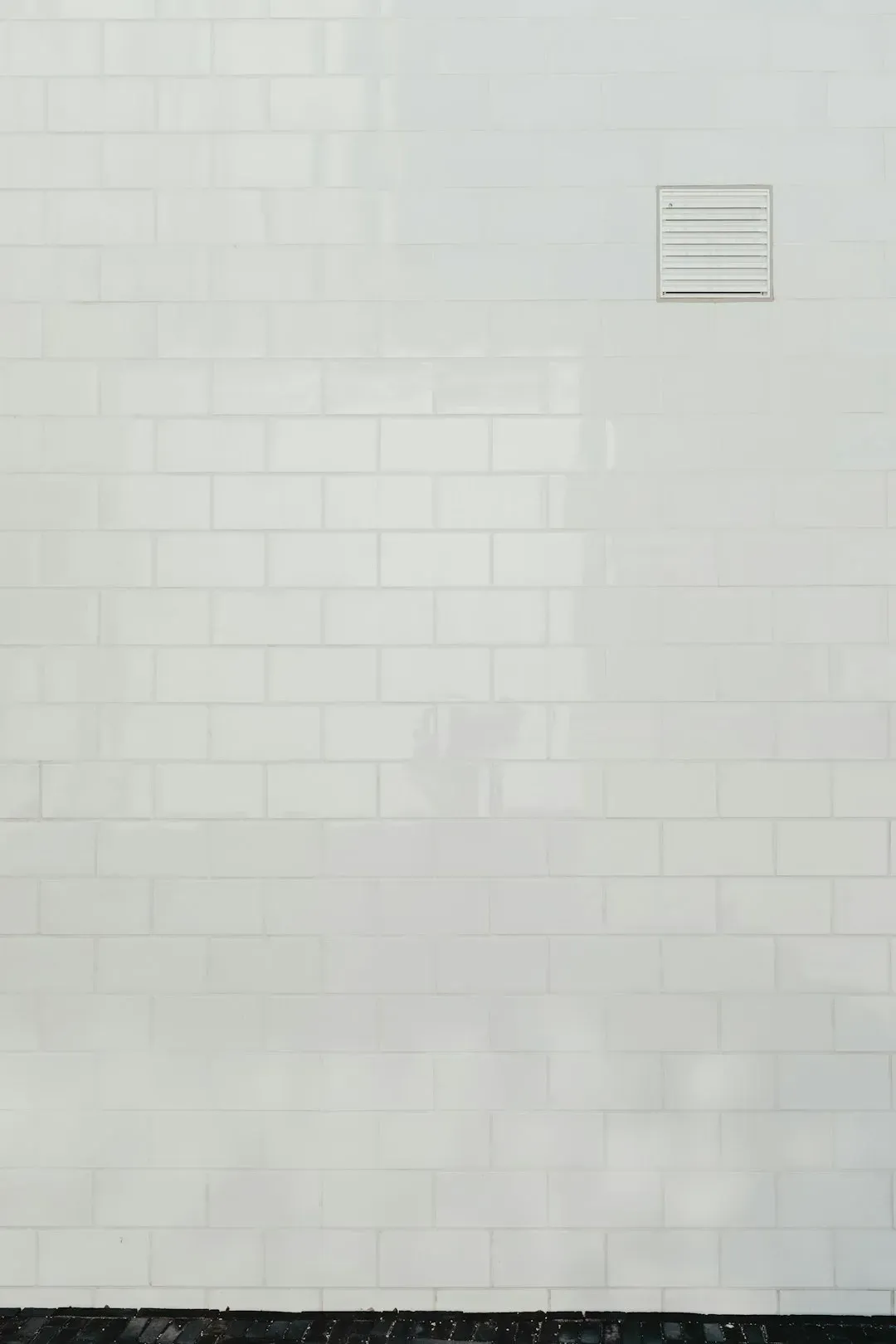
What this means for sellers and renovators (Image Credits: Unsplash)
None of this means a plain white subway tile backsplash will tank a home sale, and it’s worth being clear about that. It’s still a functional, durable, reasonably neutral choice that plenty of buyers will accept without a second thought. What’s changed is that it no longer reads as an upgrade or a selling point the way it did a decade ago, and in competitive markets, that distinction matters.
For homeowners weighing a renovation before listing, the safest move isn’t necessarily ripping out a subway tile backsplash that’s still in good shape. It’s understanding that buyers now associate visual interest, texture, and intentional design choices with a well-maintained, updated kitchen, and pricing or staging decisions should reflect that shift rather than assume the old default still carries the same weight it once did.