
Marriage after 50 carries a particular kind of weight. Decades of shared history, raised kids, navigated crises, and countless small moments have built something real. Yet that same familiarity can quietly breed patterns that neither partner fully notices until the distance between them starts to feel normal. The rate of divorce for couples over 50 has doubled in the last three decades, and that trend is not random. It often traces back to habits that crept in gradually, without drama, without anyone meaning harm.
The habits on this list are not about blame. They are about awareness. Both men and women develop patterns that slowly erode connection, and understanding them is the first honest step toward changing them. What follows focuses specifically on behaviors that research and relationship psychology link to emotional distancing in marriages during the second half of life.
1. Treating Criticism as a Form of Communication
1. Treating Criticism as a Form of Communication (Image Credits: Pexels)
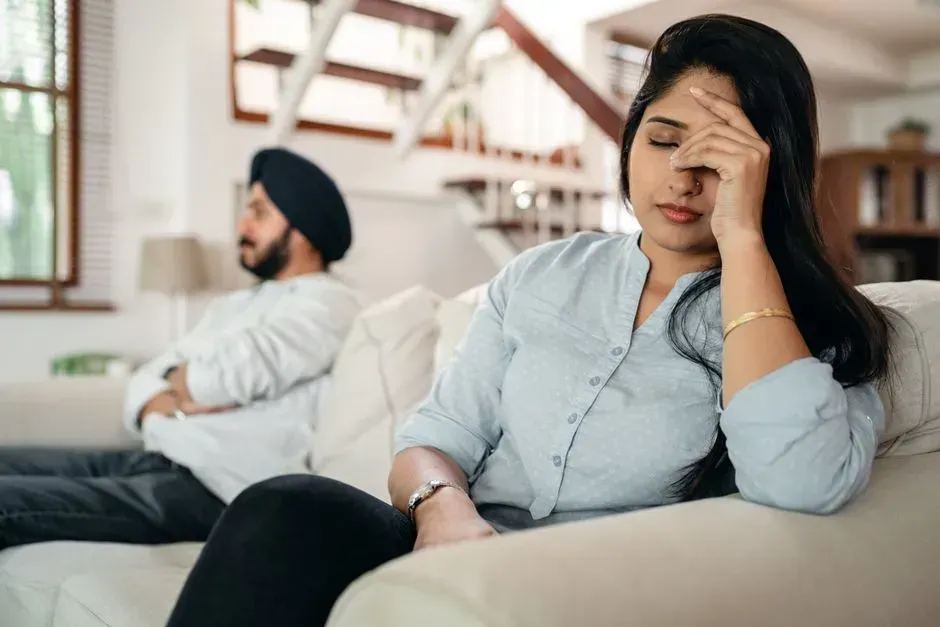
There is a difference between raising a genuine concern and falling into a rhythm where nearly every conversation includes a critique. When a woman over 50 has spent years managing a household, raising children, and holding a family together, it can be easy to slide into a pattern of pointing out what is wrong. The dishwasher is loaded incorrectly. The grocery run was incomplete. The weekend plan is already off track.
Research published in 2014 found that couples who repeatedly engage in negative interactions, like criticism, contempt, or emotional withdrawal, are more likely to drift apart emotionally over time, increasing the risk of marital breakdown. Psychologist John Gottman’s decades of research on couples identified contempt and criticism as among the most destructive forces in a long-term relationship. None of those little remarks may seem serious on their own, but together they create an atmosphere where a partner feels judged instead of appreciated. People pull away when they feel picked apart.
2. Withdrawing Emotionally Without Explaining Why

2. Withdrawing Emotionally Without Explaining Why (Image Credits: Unsplash)
Emotional withdrawal is one of the quieter ways distance grows. A woman who feels unheard or unappreciated may stop initiating conversation, start giving shorter answers, or simply go inward. From her perspective, she may be protecting herself. From his, it often reads as coldness or indifference, with no clear explanation attached.
The demand-withdraw pattern of communication is a cyclical, mutually polarizing pattern of interaction in which one partner complains or criticizes while the other changes the topic, feigns involvement, or physically walks away from the conversation. Over time, emotional withdrawal can become a reflexive response to unresolved conflict. A spouse might stop opening up about their day, respond with brief answers, or avoid deeper conversations, slowly creating a quiet gap that feels heavier with time.
3. Redirecting All Emotional Energy Toward Friends or Adult Children
3. Redirecting All Emotional Energy Toward Friends or Adult Children (Image Credits: Unsplash)
The friendships women build and deepen in their 50s are genuinely valuable. There is nothing wrong with having a rich social life outside the marriage. The problem arises when a husband becomes the last person his wife turns to. When she processes every frustration with her sister, every worry with her best friend, and every hope with her adult daughter, the husband can find himself on the outside of his own wife’s inner world.
Men are not always as good at emotional processing, so they often shy away from it, leaving their wives feeling abandoned. As a result, women often turn away from their husbands and toward other women to process what is happening in their lives. That dynamic, though understandable, can become a self-reinforcing loop. The less she shares with him, the less practiced they become at intimacy. As social circles change, new friendships can bring fresh perspectives and emotional support, and for many women over 50, these evolving bonds can highlight what feels missing at home.
4. Allowing Physical Intimacy to Quietly Disappear
4. Allowing Physical Intimacy to Quietly Disappear (Image Credits: Pexels)
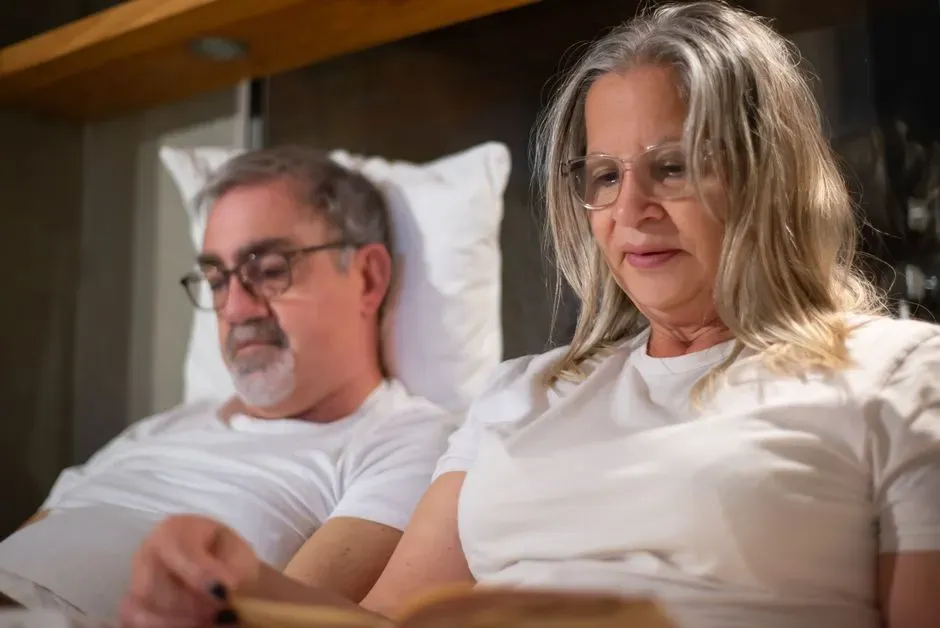
Hormonal shifts during and after menopause are real and can affect libido, comfort, and interest in physical closeness. That part is physiological and understandable. The problem is when those changes go undiscussed and intimacy simply fades without any acknowledgment, negotiation, or effort to adapt together. He may interpret the withdrawal as personal rejection. She may not realize how loudly her silence is speaking.
Physical barriers to intimacy can make sex uncomfortable or even painful, and these issues are often sensitive and difficult to discuss, leading to a lack of communication and further problems. When one partner desires intimacy while the other has withdrawn, the resulting tension can create a cycle of rejection, resentment, and withdrawal. Physical closeness is not just about sex. It includes touch, warmth, and the small gestures that remind a partner they are still chosen.
5. Assuming the Marriage Is Solid Without Tending to It
5. Assuming the Marriage Is Solid Without Tending to It (Image Credits: Unsplash)
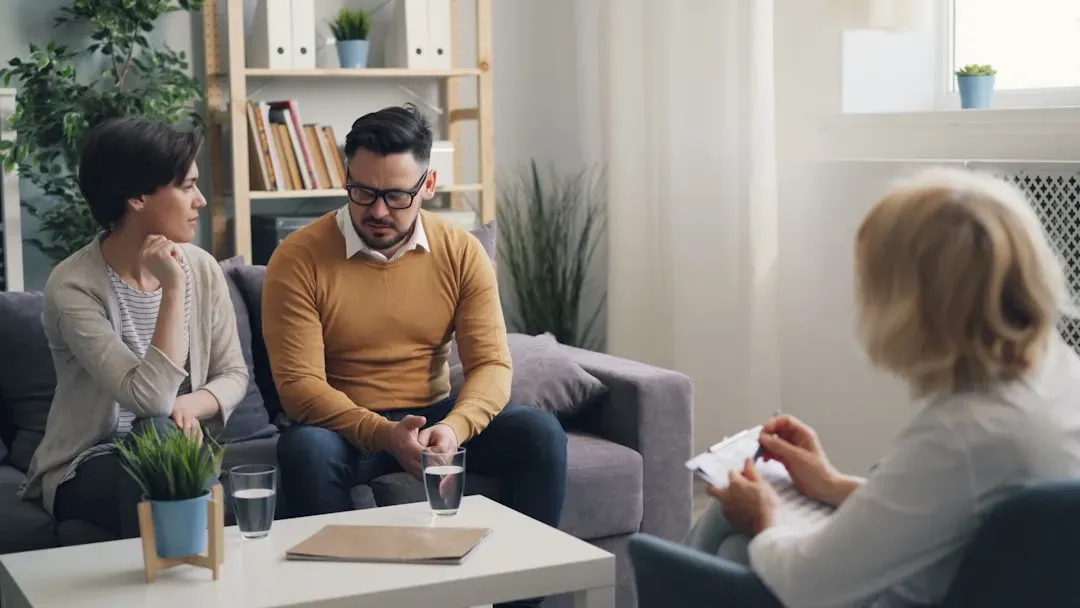
Decades together can produce a particular kind of overconfidence. The shared mortgage, the mutual history, the grown children who call on Sundays, all of it can feel like proof that the marriage is fine. But a marriage is not a static structure. It requires ongoing attention, and assuming it runs on autopilot is one of the more common traps couples fall into after 50.
Couples who have been together for decades often develop unhealthy relationship habits and patterns of communication, both spoken and unspoken. The departure of children often reveals underlying emotional gaps between partners. Without the shared focus of parenting, many find themselves coexisting without genuine connection, and this newfound clarity can lead to a reevaluation of the relationship’s depth and purpose. Coexistence is not connection. The two can look identical for years before the difference becomes impossible to ignore.
6. Revisiting Old Resentments Instead of Resolving Them

6. Revisiting Old Resentments Instead of Resolving Them (Image Credits: Pexels)
Long marriages accumulate history, and not all of it is good. There are arguments that were never fully resolved, slights that were swallowed instead of addressed, and disappointments that calcified into quiet grudges. Women who have spent years absorbing frustration without expressing it can find that their 50s bring an emotional reckoning. Old grievances surface, sometimes in disproportionate ways during minor disagreements.
Decades of carrying the mental and emotional load can leave behind quiet resentment. Over time, many women recognize that the imbalance never shifted. Couples who tackle issues early avoid building up resentment that can damage relationships, and relationship experts point out that buried conflicts often resurface. Bringing yesterday’s wounds into today’s conversations makes it very difficult for a husband to feel like anything he does now will ever be enough.
7. Prioritizing Personal Growth in Ways That Exclude the Relationship

7. Prioritizing Personal Growth in Ways That Exclude the Relationship (Image Credits: Pexels)
The 50s often arrive with a genuine hunger for reinvention. Kids are grown, careers may be shifting, and there is finally space to ask what she actually wants from life. That kind of self-discovery is healthy and legitimate. Where it can quietly damage a marriage is when it becomes entirely self-directed, pursued without any thought for how the partnership fits into the new vision.
Midlife often brings a quiet yearning for self-discovery and personal fulfillment. After years of prioritizing children and spouse, some individuals feel drawn to explore new interests, careers, or lifestyles that their current marriage may no longer support. When a husband realizes that the future she is building has no obvious seat for him, the emotional retreat is almost inevitable. Growth inside a marriage requires at least some shared direction, or at minimum, mutual curiosity about where the other person is headed.
8. Stonewalling During Conflict Instead of Staying in the Conversation
8. Stonewalling During Conflict Instead of Staying in the Conversation (Image Credits: Pexels)
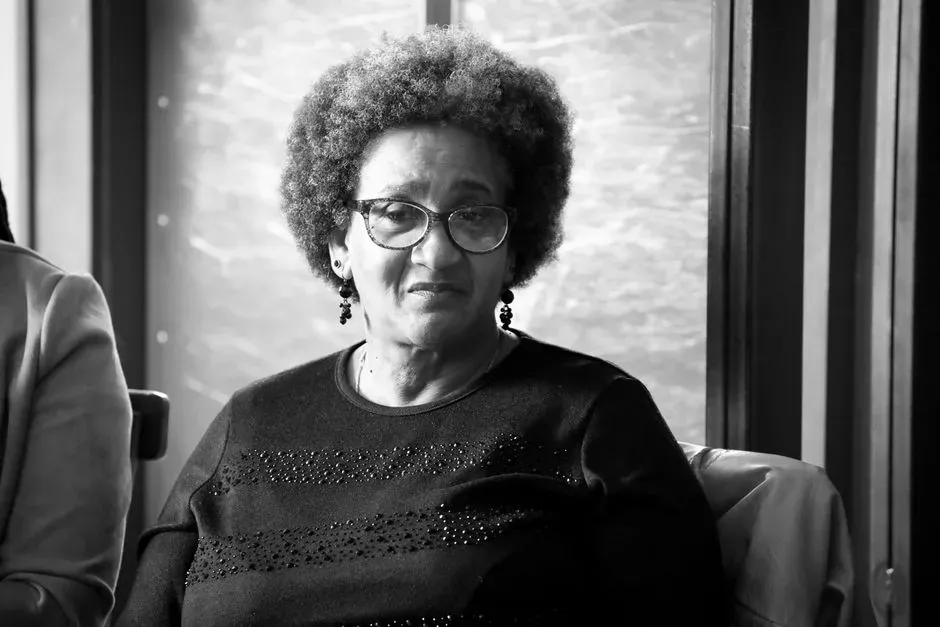
Stonewalling, shutting down during difficult conversations and refusing to engage, is often a coping mechanism born from feeling overwhelmed. For many women over 50, it may have developed as a way to avoid escalation. The problem is that stonewalling communicates to the other person that the conversation is not worth having, and by extension, that their feelings are not worth addressing.
When couples encounter strongly negative emotional events, they often fall into a survival-oriented mode of interaction where spouses repeatedly attempt to justify their own behavior and engage in non-productive cycles of demand-withdraw behaviors. John Gottman identifies contempt, expressing a lack of respect for a partner through name-calling, eye-rolling, or ridiculing, as among the most problematic types of communication in relationships, based on his studies of tens of thousands of couples. Stonewalling is contempt’s quieter cousin, and it does comparable damage over time.
9. Letting Gratitude and Basic Warmth Slip Away
9. Letting Gratitude and Basic Warmth Slip Away (Image Credits: Pexels)
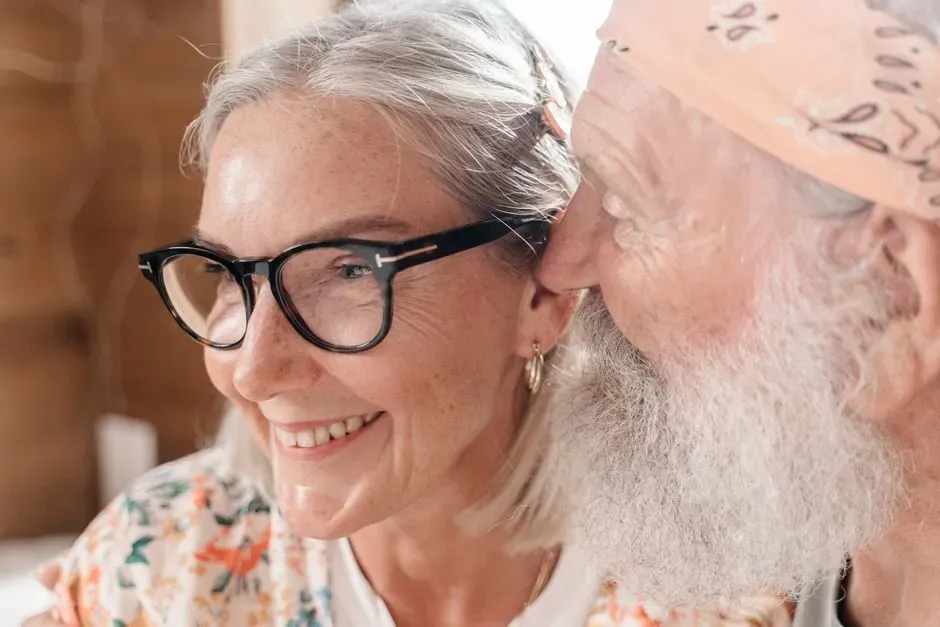
Early in a relationship, people notice and appreciate the small things. He made dinner. He remembered to call. He drove without complaint. As years pass, those same gestures can start to feel like baseline expectations rather than things worthy of acknowledgment. The thanks disappear. The warmth becomes transactional. The little verbal cues that once kept both people feeling seen stop being spoken aloud.
A long marriage still benefits from manners. Saying thank you, greeting each other warmly, asking instead of assuming, and showing basic consideration may sound simple, but those habits protect the tone of everyday life. When they disappear, the relationship can become too casual in the wrong ways. Gratitude is not just about politeness. Research on positive emotion in long-term marriages consistently shows that warmth and appreciation are foundational to keeping the emotional bond intact well into later life.
10. Framing Every Disagreement as a Referendum on the Whole Marriage

10. Framing Every Disagreement as a Referendum on the Whole Marriage (Image Credits: Pexels)
Not every argument is a crisis. Not every difference of opinion signals incompatibility. Yet some women, particularly those carrying years of accumulated frustration, begin to treat individual conflicts as evidence of something larger and more permanent. A disagreement about a vacation plan becomes proof that he never listens. A forgotten errand becomes confirmation that he does not care.
In long relationships, changed habits, new roles, and unmet expectations can lead to increased levels of dissatisfaction. When a husband feels that every misstep is being added to a permanent record, he is likely to stop engaging rather than risk another incident. Healthy disagreements help partners learn about each other more deeply and build lasting trust that handles life’s challenges. The ability to argue well, and to allow a disagreement to end cleanly, is something long marriages genuinely need.
11. Treating Shared Time as Optional Once the Routine Is Established

11. Treating Shared Time as Optional Once the Routine Is Established (Image Credits: Pexels)
Routine can be a comfort in a long marriage, but it can also become a substitute for actual connection. When the weeks become predictable, some women gradually fill their schedules with solo pursuits, friend groups, or hobbies while the shared time with their husband shrinks to meals, logistics, and the occasional evening in front of a screen. It does not feel like neglect. It just feels like life.
In longer term marriages, many couples find that the romantic and physical aspects of their marriage fade as time goes on. Some partners start acting as if affection belongs to the early years and not to the decades that follow. When compliments disappear, date nights vanish, and tenderness gets replaced by routine, the relationship can start feeling more functional than loving. A husband who consistently finds himself on the outside of his wife’s schedule eventually stops trying to get inside it.
None of these habits develop overnight, and none of them are signs that a woman is a bad partner. They tend to emerge slowly, shaped by fatigue, unspoken needs, hormonal changes, and the natural drift that comes with spending decades beside the same person. Older couples have the same capacity as younger couples to develop new patterns of mind and heart, but the conditioning has to be reinforced over a longer period. Awareness is where change actually begins.