
Buying a home is probably the biggest financial decision most people will make in their lifetime. Yet a surprising number of buyers look back on the process and wish they had asked one more question, pressed a little harder, or simply shown up with a sharper set of concerns in mind before ink touched paper.
The vast majority of new homeowners experience at least one unexpected issue in their first year of ownership. Many of those issues aren’t mysterious at all. They’re the kind of thing a licensed home inspector would have flagged within the first hour. Here are six of the most common ones buyers later wish they had asked about.
1. The Real Age and Condition of the Roof
1. The Real Age and Condition of the Roof (Image Credits: Unsplash)
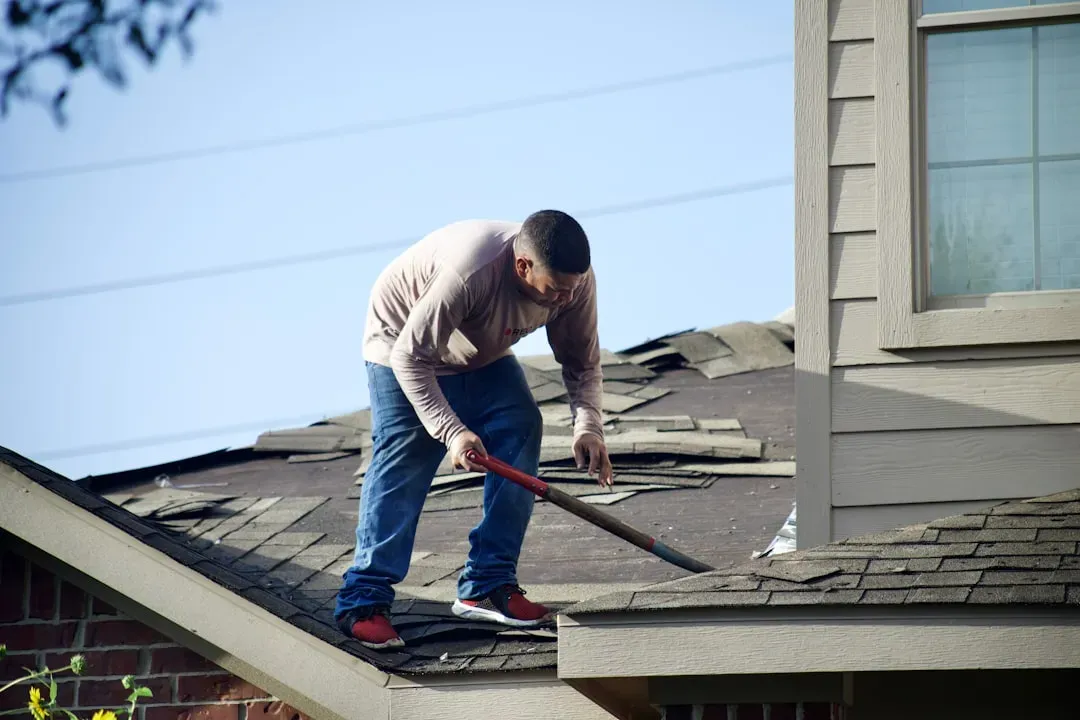
Roof damage isn’t always visible from the ground or from inside the attic, but a thorough home inspection should detect it. A few damaged or worn shingles are one thing, but repairing significant roof problems can be very expensive. The tricky part is that sellers often won’t volunteer information about a roof that’s quietly running out of time.
A roof showing signs of deferred maintenance can signal water damage to the sheathing, rafters, and other wood structural elements in the attic area. Minor roofing issues can generally be dealt with by the buyer after closing, but if severe roof issues are noted on inspection, it may be worthwhile to have a roofer quote the repairs and attempt to negotiate credits. Roof replacement costs can range from just under six thousand dollars to well over thirteen thousand, depending on size, pitch, and materials needed.
2. Foundation Stability and What's Hiding Beneath the Surface
2. Foundation Stability and What's Hiding Beneath the Surface (Image Credits: Unsplash)
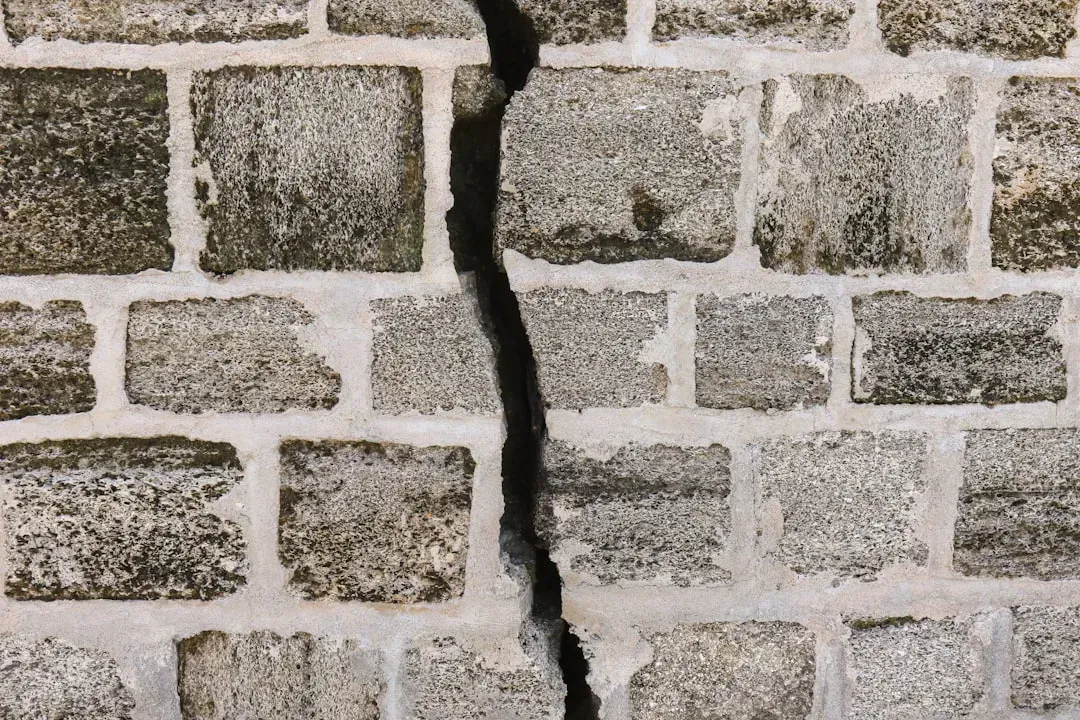
Problems with a home’s foundation can be difficult to spot, but foundation issues can cost you. Inspectors look specifically for horizontal cracks, bowing walls, and sinking corners, all of which can indicate serious structural movement that a casual walk-through will never reveal.
Foundation repair in 2025 costs an average of roughly five thousand dollars, but can range from just over two thousand to more than eight thousand depending on the severity. Natural disasters, poor construction, drainage, and settling can all cause structural issues. In these instances, it’s best to consult with a structural engineer to ensure the home is structurally sound. Most buyers who skipped this conversation later describe the repair bills as the single biggest shock of their first year.
3. The Age and Service History of the HVAC System
3. The Age and Service History of the HVAC System (Image Credits: Pexels)
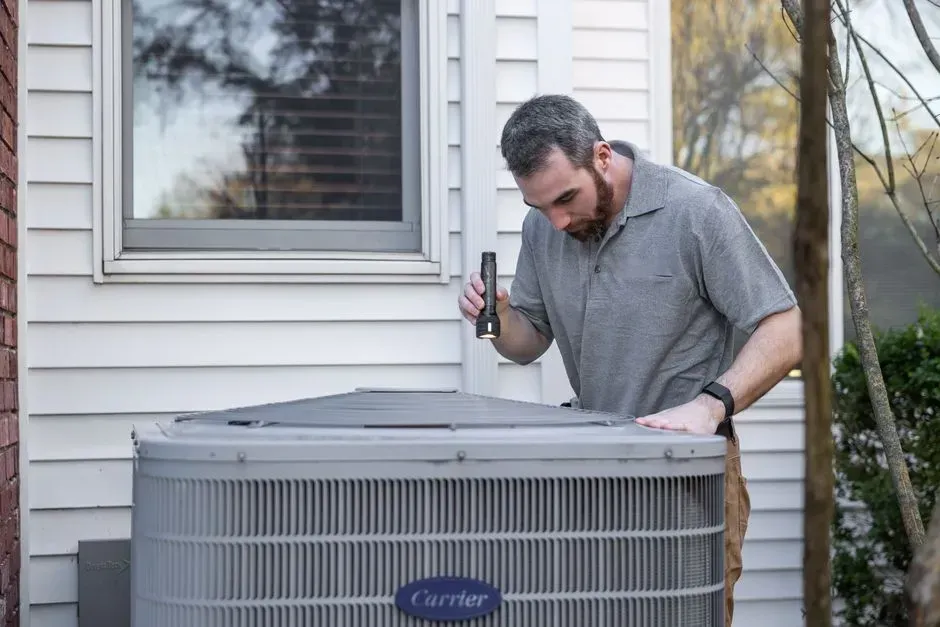
Heating and cooling systems aren’t always among the first things buyers scrutinize, but when they’re old, poorly maintained, or unsafe, that’s when an HVAC might flag on an inspection. A system with no maintenance records, dirty filters, or uneven heating and cooling can indicate looming repair costs, even if it’s technically working the day of the inspection.
HVAC systems near or exceeding the typical ten to fifteen year lifespan are consistently flagged in inspection reports. Replacing a full HVAC system with ductwork can cost anywhere from seven thousand to sixteen thousand dollars. Buyers who didn’t ask about the system’s age before closing often find themselves absorbing that cost within the first few years of ownership, sometimes within months.
4. Hidden Water Damage and the Presence of Mold
4. Hidden Water Damage and the Presence of Mold (Image Credits: Unsplash)
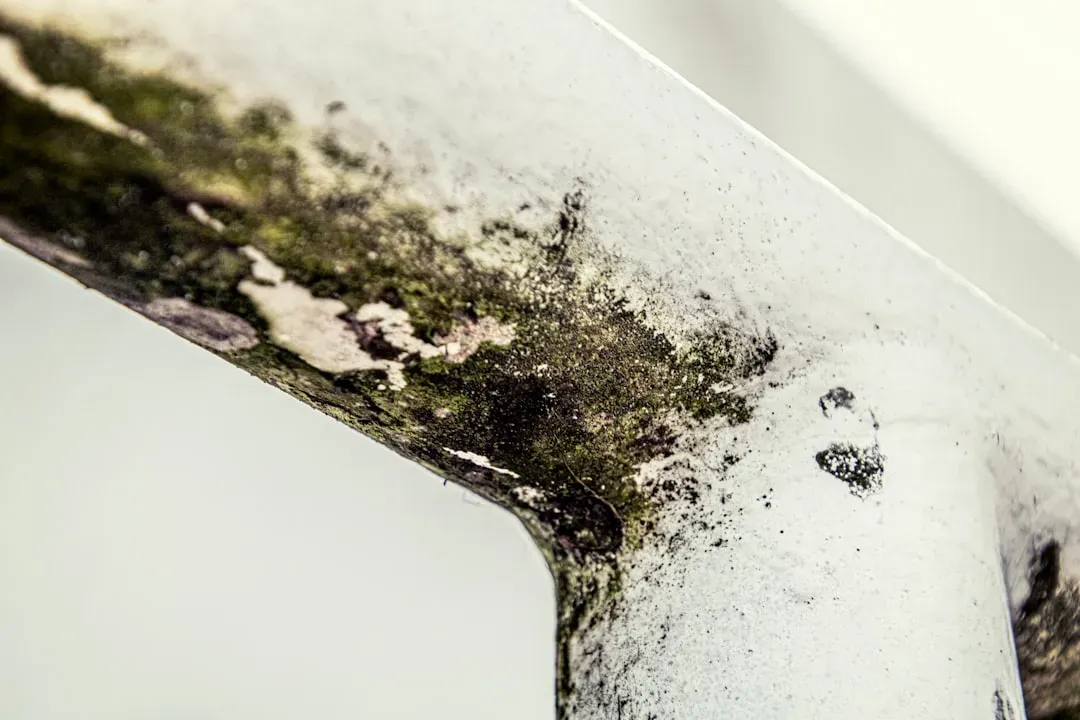
Water damage is a severe issue because it can affect all parts of a home and, if left unchecked, cause significant repairs. It can come from roofing problems, plumbing leaks, or poor exterior drainage. Water can cause structural integrity issues, wood rot, and mold growth, creating an environment that allows termites to thrive.
Mold poses serious health and safety risks when present in a home. This fungus thrives in damp, humid areas like basements, attics, and bathrooms. As it spreads, it releases spores into the air, triggering allergy symptoms, respiratory issues, and illness in occupants. Addressing water damage and mold requires finding the source of moisture and remediation, which could cost anywhere from five hundred to over thirty thousand dollars for extensive cases. An experienced inspector can spot the telltale staining, warped flooring, and musty odors that sellers sometimes paint over before listing.
5. Electrical System Age, Panel Type, and Code Compliance
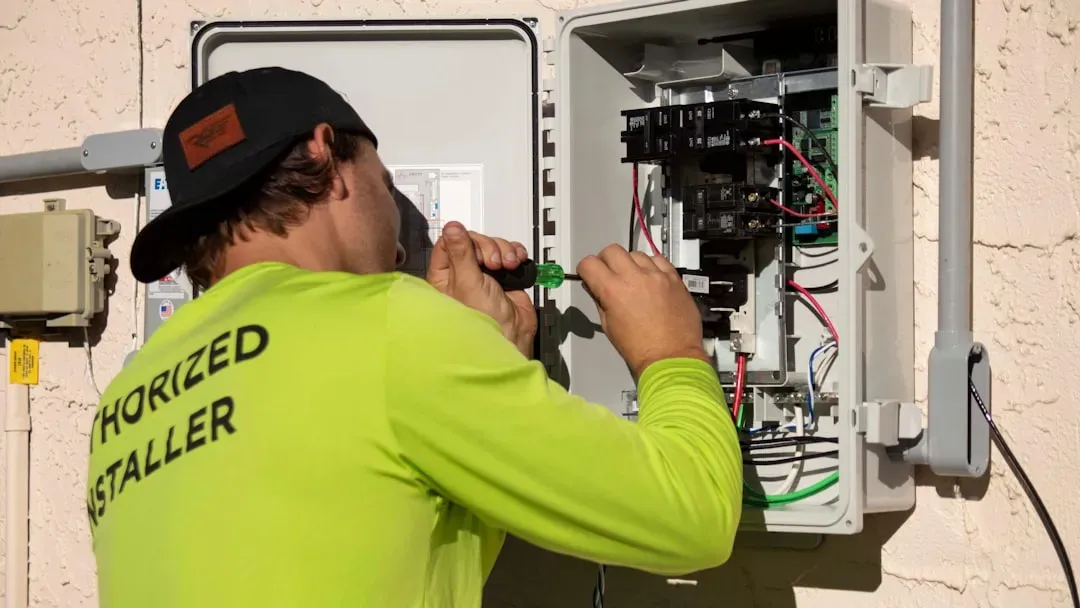
5. Electrical System Age, Panel Type, and Code Compliance (Image Credits: Unsplash)
The most common issue in home inspections is minor electrical problems, found in roughly sixty to seventy percent of inspections, including missing GFCI outlets, improper wiring, outdated panels, or grounding issues. While usually not deal-breakers, these electrical deficiencies require attention for safety and code compliance.
Aluminum wiring, found in older homes from the 1960s and 1970s, has since been identified as a fire risk. It can expand and contract more than copper, which may lead to loose connections and overheating. Faulty wiring and outdated electrical panels can be dangerous. Inspectors check the breaker panel, test outlets, and ensure the system is up to code. Repairs can range from two thousand to eleven thousand dollars, but addressing electrical issues is crucial for safety and insurance compliance.
6. Unpermitted Additions and Work Done Without Inspections
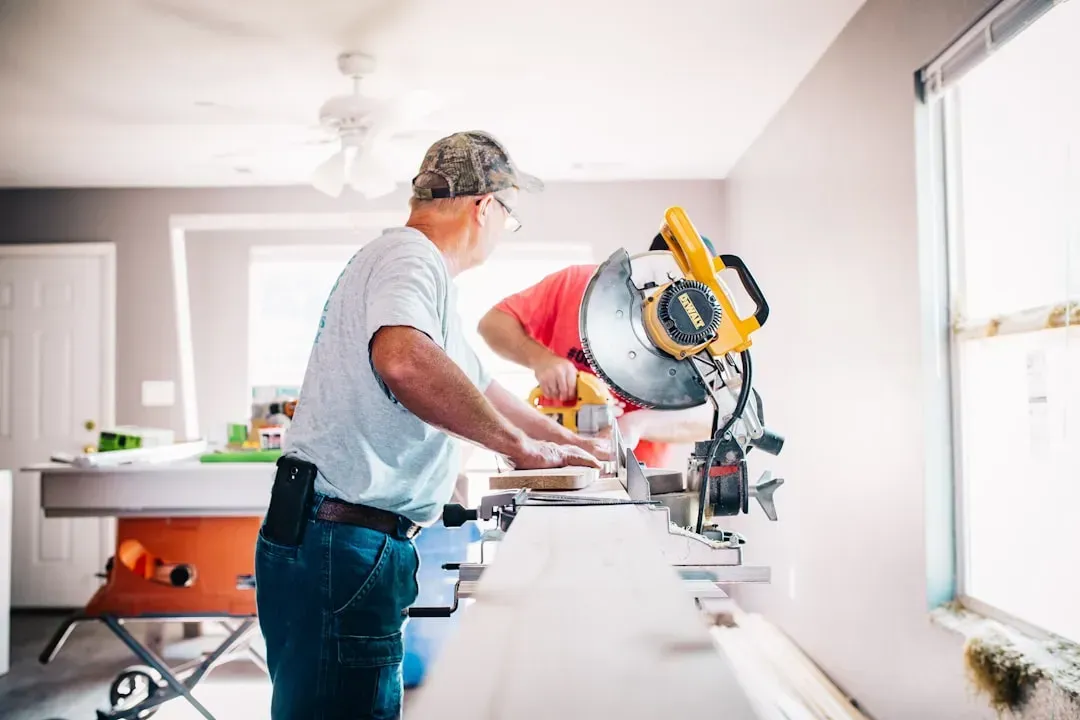
6. Unpermitted Additions and Work Done Without Inspections (Image Credits: Unsplash)
Many renovations and additions require permits before work can begin. Permits ensure that the work meets building codes and safety standards to protect both workers and home inhabitants. If parts of a home were renovated or added without permits, buyers need to confirm those areas meet building and safety codes before purchasing.
Even issues that seem small or insignificant can affect financing, insurance approvals, or future renovations. What looks like a small fix today can become a significant bill later, especially during a kitchen remodel, a basement finish, or a home addition. Unpermitted work can snowball into higher costs down the road. Nearly two in five homeowners report finding shortcuts in prior repairs in their homes, including nearly a third of those who purchased a newly built home. Asking about permits before signing costs nothing. Discovering unpermitted work after closing can cost everything.
A reported roughly eighty-six percent of home inspections find something that needs to be fixed. That’s not a reason to panic. It’s a reason to ask good questions before signing. About half of buyers use home inspection results to negotiate a lower price, and on average, buyers who find problems during inspection are able to close at around fourteen thousand dollars below the list price. The questions you ask before the contract is signed are often worth far more than the inspection fee itself.